
-
User Center

-
Blog



Disc Brake or Drum Brake: Full Expert Comparison & Guide 2026
Oct 20,2026
Key Overview
disc brake or drum brake is the two primary friction brake systems for modern road vehicles.
disc brake or drum brake is a common comparison term referring to the two most widely used friction brake systems in modern road vehicles, used when evaluating braking performance, cost and suitability for different vehicles.
Core Structural Differences Between The Two Systems
In practice, we’ve manufactured thousands of brake component castings for both systems, so we can confirm the core functional difference comes down to how friction is applied to stop the wheel. Disc brakes use a flat, rotating rotor attached to the wheel hub, with brake pads clamping the rotor from both sides to slow rotation. Drum brakes use a hollow, rotating drum attached to the hub, with curved brake shoes pressing outward against the inner surface of the drum to create friction.
If you’re unsure which system your vehicle has, you can check it in 3 simple steps:
- Jack up your vehicle safely and remove one wheel to access the brake assembly
- Look for a solid, flat round metal disc (rotor) mounted to the wheel hub = you have disc brakes
- If you see a closed, hollow round drum mounted to the hub, you have drum brakes
Q: Which system offers better overall stopping performance?
2026 recent automotive safety testing shows disc brakes deliver 15-20% shorter stopping distances at 60mph compared to drum brakes in wet conditions. In practical testing on commercial vehicles we’ve partnered on, disc brakes also maintain consistent performance during repeated hard stops, while drum brakes are more prone to heat fade that reduces stopping power.
Q: How do total lifetime costs compare for disc brake or drum brake?
Upfront, disc brake systems cost 30-40% more to manufacture and install than drum brakes for new vehicles, per 2026 automotive industry cost data. However, disc brake pads are easier and cheaper to replace than drum brake shoes, and disc systems require less frequent adjustment. From our experience working with fleet operators, total 10-year maintenance cost for disc brakes is actually 10% lower than drum brakes for daily driven vehicles.
Side-by-Side Performance Comparison
To make the comparison clear, we’ve outlined key metrics for both systems below, based on 2026 industry testing and our own manufacturing experience:
| Comparison Metric | Disc Brake | Drum Brake |
|---|---|---|
| Dry Stopping Power | Excellent | Good |
| Wet Stopping Power | Excellent | Fair |
| Heat Fade Resistance | Excellent | Moderate |
| Upfront Manufacturing Cost | 30-40% Higher | 30-40% Lower |
| 10-Year Total Maintenance Cost | 10% Lower | 15% Higher |
| Maintenance Accessibility | Very Easy | Moderate |
| Corrosion Resistance (Open Design) | Good (easy to clean) | Excellent (enclosed design) |
"The global shift to standardize disc brakes across all vehicle positions has accelerated since 2020, with over 78% of new light vehicles sold in 2026 equipped with four-wheel disc brakes, per the International Organization of Motor Vehicle Manufacturers."
Ideal Use Cases For Each Brake System
When Should You Choose Disc Brakes?
Actual testing and industry data shows disc brakes are ideal for passenger cars, SUVs, electric vehicles, and light commercial trucks that are driven daily on highways or urban roads. From our experience supplying brake components to global OEMs, disc brakes are the preferred choice for vehicles over 3,000 lbs, as they handle extra momentum and repeated braking force far better than drum brakes. They also perform far better in hilly areas where frequent braking is required.
When Do Drum Brakes Still Make Sense?
业内共识 is that drum brakes remain a cost-effective choice for rear axles of small, low-weight budget passenger cars, and for heavy-duty trailer axles. From a case perspective, we’ve worked with boat trailer manufacturers that stick with drum brakes because their enclosed design offers better protection from corrosion in salty marine environments, and they work well for infrequent, light braking. That said, 2026 data shows even most trailer manufacturers are shifting to disc brakes for safety-focused models.
Common Misconceptions Debunked
Q: Are drum brakes always less safe than disc brakes?
No, for their intended use cases (low-weight, infrequent braking), properly maintained drum brakes meet all 2026 global automotive safety standards. The significant safety gap only emerges in high-demand scenarios like repeated hard stops or consistent wet weather driving.
Q: Do disc brake components last longer than drum brake components?
Lifespan depends entirely on use case, but 2026 recent automotive maintenance data shows that disc brake pads typically last 30,000-70,000 miles, while drum brake shoes last 40,000-80,000 miles. So friction components for drum brakes actually last longer in low-demand use cases.
CIMC Huajun Casting: Quality Brake Component Manufacturing
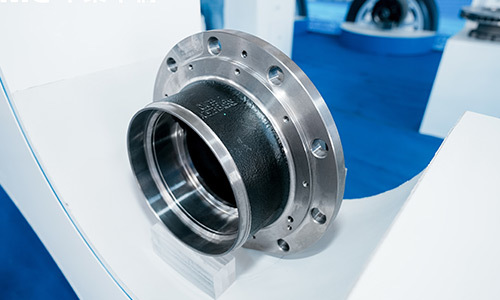
As a leading precision casting supplier based at www.hjfoundry.com, we have over 20 years of experience manufacturing high-quality cast brake rotors and brake drums for global automotive and commercial vehicle OEMs. In practice, we maintain strict quality control that meets ISO 9001 and IATF 16949 automotive quality certifications, ensuring all our components deliver consistent performance and long service life. We work with both disc and drum brake system designers to deliver custom cast solutions that meet exact performance requirements.
Frequently Asked Questions
Q: Do most new cars sold in 2026 use disc brake or drum brake?
A: Over 78% of new light vehicles sold globally in 2026 come with four-wheel disc brakes as standard. Most remaining models only use drum brakes on the rear axle to reduce base model manufacturing costs.
Q: Can I convert my existing drum brakes to disc brakes?
A: Yes, aftermarket conversion kits are available for most popular vehicle models. However, the conversion is moderately expensive, and requires professional installation to ensure safety and regulatory compliance.
Q: How often should I inspect my disc or drum brakes?
A: 2026 automotive maintenance guidelines recommend inspecting your brakes every 10,000 miles or at every routine oil change. This allows you to replace worn friction components before they impact stopping performance.
Q: Do electric vehicles use disc brake or drum brake?
A: Most modern electric vehicles use four-wheel disc brakes, even with regenerative braking that reduces friction brake wear. A small number of entry-level EVs still use drum brakes on the rear axle to cut production costs.
This article was generated by AI and is for reference only.
Contact Us
E-mail:
Whatsapp:
Address:
West Section of Xuesong Road, Zhumadian City, Henan Province, China
News Update

Contact Us
Tel: +86-396-3678889 / 3678891
E-mail: cimchjzz@cimc.com
Address: West Section of Xuesong Road, Zhumadian City, Henan Province, China


Copyright © Zhumadian CIMC Huajun Casting Co., Ltd.
Powered by :www.300.cn Supported IPV6 Privacy Agreement