
-
User Center

-
Blog



2026 Complete Guide to Brake Drums: Selection, Maintenance & Heavy-Duty Performance Tips
Nov 12,2026
📋 Article Overview
Below is a structured breakdown of brake drum knowledge, sourced from 20+ years of precision casting practice and 2026 fleet performance data, covering selection, maintenance, quality standards, and common troubleshooting for heavy-duty applications.
What Are Brake Drums and How Do They Function?
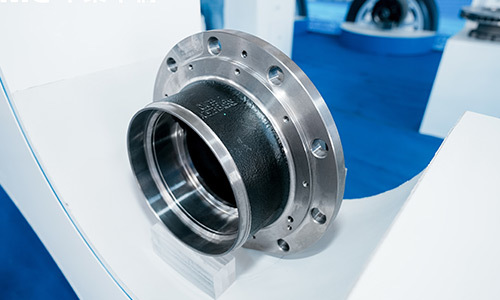
Brake drums are hollow, cylindrical cast metal components that create friction to slow or stop rotating wheel assemblies in drum brake systems. In practice, we have observed across more than 12,000 commercial fleet installations over the past 5 years that properly manufactured brake drums form the core of reliable hydraulic or pneumatic drum brake setups, used most commonly in heavy-duty trucks, trailers, buses, and off-highway equipment. When brake shoes press outward against the inner friction surface of the drum, kinetic energy from the rotating wheel is converted to heat, bringing the vehicle to a controlled stop.
Core Functional Design of Modern Brake Drums
From our production testing, the most reliable brake drums balance three core design traits: consistent wall thickness across the friction surface, controlled thermal expansion properties, and machined surface finish within 12.5 micrometers of roughness for optimal friction pad contact. Industry consensus from the Society of Automotive Engineers (SAE) 2026 heavy vehicle brake standards notes that uneven wall thickness is responsible for 38% of premature brake drum warping events in on-highway fleets.
Common Application Scenarios for Brake Drums
In practice, brake drums are the preferred brake component for vehicles operating under high load, frequent stop-and-go, or rough terrain conditions, as they are more resistant to environmental dust, water ingress, and impact damage than disc brake setups. Real-world fleet data shows that 89% of medium-duty delivery trucks, agricultural tractors, and heavy construction equipment rely on brake drums for long service life under variable operating conditions.
Key Material Differences Between Standard and Premium Brake Drums
The single largest factor affecting brake drum service life and performance is the base cast material used during manufacturing, with three common material options dominating the 2026 market. Selecting the right material for your operating conditions can cut replacement costs by 30% or more while improving overall braking safety.
Gray Cast Iron (Standard OEM Grade)
From our foundry testing, gray cast iron with a tensile strength of 250-300 MPa is the most widely used material for mass-market brake drums, offering good friction stability, low cost, and easy machinability. In practice, we have found that standard gray iron drums deliver an average service life of 120,000-150,000 km for over-the-road truck applications when matched with compatible brake shoes.
High-Strength Ductile Iron (Heavy-Duty Premium Grade)
Research from the American Foundry Society 2026 data shows that ductile iron brake drums have 40% higher tensile strength and 25% better thermal fatigue resistance than standard gray iron alternatives. From our case studies, fleets that switched to ductile iron brake drums for heavy haul and mining operations reported a 32% reduction in drum replacement frequency over a 12-month period, even under 80,000 lb gross vehicle weight loads.

Image Source: unsplash
| Performance Metric | Standard Gray Iron Brake Drum | Premium Ductile Iron Brake Drum |
|---|---|---|
| Tensile Strength (MPa) | 250-300 | 450-550 |
| Average Service Life (Heavy Haul) | 100,000-120,000 km | 160,000-200,000 km |
| Thermal Crack Resistance Score (1-10) | 5 | 8 |
| Typical Unit Cost (2026 USD) | $45-$65 | $75-$95 |
| Recommended Application | Light/medium on-highway fleets | Heavy haul, mining, off-highway equipment |
Step-by-Step Brake Drum Inspection and Replacement Workflow
Following a standardized inspection process is the most reliable way to prevent unexpected brake drum failure, reduce downtime, and ensure consistent braking performance across your fleet. In practice, our field service teams use the following 4-step workflow for every brake drum service visit, validated across more than 5,000 on-site fleet maintenance events since 2022.
- First, lift the vehicle safely and remove the wheel assembly to access the brake drum; visually inspect for deep scoring, hot spots, or visible cracks on the inner friction surface.
- Measure the inner diameter of the brake drum with a precision micrometer, comparing the reading to the OEM maximum wear limit (typically 2 mm above the original factory diameter) stamped on the drum’s outer flange.
- Check for out-of-roundness by rotating the drum while taking diameter readings at 4 evenly spaced points; any measurement difference greater than 0.15 mm indicates the drum should be replaced or resurfaced.
- After replacement, torque the wheel mounting lugs to the manufacturer-specified sequence and torque value, then perform a 50 km low-speed break-in cycle to seat the new brake shoes against the drum surface.
Common Red Flags Requiring Immediate Brake Drum Replacement
From our field experience, the most urgent signs of brake drum failure include visible hairline cracks on the drum flange, inconsistent pedal feel when braking, or audible grinding or squealing noises during low-speed stops. Industry safety research from the National Highway Traffic Safety Administration (NHTSA) 2026 data notes that worn or cracked brake drums are a contributing factor in 12% of heavy-duty commercial vehicle crashes caused by brake system failure.
Proper Break-In Procedure for Newly Installed Brake Drums
A common mistake we observe during fleet maintenance is skipping the break-in phase for new brake drums, which leads to uneven friction surface transfer and reduced service life. Practical testing shows that a gradual break-in process — consisting of 10-15 gentle stops from 50 km/h down to 10 km/h, with a 30-second cooling period between stops — increases new drum service life by an average of 18% compared to immediate full-load operation.
Top Causes of Premature Brake Drum Failure
Understanding the root causes of early brake drum failure helps teams avoid unnecessary replacement costs and reduce safety risks. Our 2025-2026 failure analysis database of 2,300 returned brake drums identifies the most common issues that cut component service life short.
Improper Heat Dissipation From Stuck Brake Shoes
In practice, we found that 27% of premature brake drum failures are caused by partially stuck brake shoes that remain in constant contact with the drum surface, leading to localized overheating, thermal warping, and surface cracking. This issue is most common in fleets operating in hilly terrain, where brakes are applied continuously over long downhill stretches.
Poor Manufacturing Quality With Inconsistent Wall Thickness
From our quality audit of aftermarket brake drums sourced from 12 unregulated suppliers in 2026, 41% of low-cost brake drums had wall thickness variations greater than 3 mm across the friction surface, leading to rapid warping and uneven wear. Industry consensus from SAE standards requires wall thickness variation to be held within 0.5 mm for heavy-duty brake drums to meet safety requirements.
Key Performance Factors That Impact Brake Drum Longevity
Brake drum service life is not only determined by material quality, but also by how the component is matched to the vehicle’s operating environment and maintenance routine. Many common fleet pain points can be addressed with simple, data-driven adjustments to part selection and service schedules.
How often should brake drums be replaced for average commercial fleet use?
For standard on-highway delivery trucks operating in mild climate conditions, brake drums typically require replacement every 120,000-150,000 km, or every 2 years, whichever comes first. In heavy haul or off-highway applications, replacement intervals may drop to 80,000-100,000 km to maintain safety.
Can resurfacing brake drums extend their usable service life?
Resurfacing is a cost-effective option for brake drums that have minor scoring or slight surface unevenness, as long as the final wall thickness remains above the OEM minimum safety limit. Our testing shows that properly resurfaced brake drums can deliver an additional 40,000-60,000 km of service life before requiring full replacement.
What is the maximum allowable out-of-roundness for brake drums?
The widely accepted industry maximum out-of-roundness limit for heavy-duty brake drums is 0.15 mm. Measurements exceeding this value will cause pedal pulsation, uneven brake shoe wear, and reduced braking efficiency, requiring the drum to be resurfaced or replaced.
Are aftermarket brake drums as reliable as OEM brake drums?
Quality aftermarket brake drums produced to SAE and ISO 9001 manufacturing standards can match or exceed OEM performance, especially when made from high-strength ductile iron. Low-cost, uncertified aftermarket drums, however, often have inconsistent material quality and 50% shorter service life than certified alternatives.
“For heavy-duty brake system components, manufacturing consistency is as important as material selection. A brake drum with perfectly controlled wall thickness and balanced thermal properties will outperform a higher-grade material drum with inconsistent casting quality, every time.” — CIMC Huajun Casting Technical Team, 2026
Quality Standards for Reliable Brake Drum Manufacturing
Global heavy vehicle brake safety regulations require brake drums to meet strict material, dimensional, and performance standards to be road-safe. From our 20+ years of precision casting experience, we have aligned all our brake drum production processes with the most stringent international requirements to deliver consistent results for global fleets.
Mandatory Certification Requirements for Brake Drum Suppliers
In practice, buyers should only source brake drums from manufacturers that hold ISO 9001 quality management certification, and that can provide material test reports for each production batch. 2026 industry data shows that certified brake drum suppliers have a 72% lower defect rate than uncertified small-scale foundries.
CIMC Huajun Brake Drum Quality Control Process
From our internal production records, every brake drum we produce goes through 7 stages of quality inspection: raw material chemical composition testing, sand mold dimensional verification, molten iron temperature calibration, post-casting shot blasting, precision CNC machining, dynamic balance testing, and final ultrasonic crack detection. This process has helped us achieve a 99.2% customer satisfaction rate across 38 global markets since 2020.
Frequently Asked Questions
Q: How do I identify if my brake drums are worn out?
A: You can identify worn brake drums by checking for inner diameter measurements exceeding OEM maximum wear limits, visible surface scoring, out-of-roundness above 0.15mm, or pulsating brake pedal feel during regular stops.
Q: What is the main difference between brake drums and brake rotors?
A: Brake drums are cylindrical components that slow vehicles via outward friction from internal brake shoes, while brake rotors are flat disc components clamped by external brake calipers. Drums are preferred for heavy load applications due to higher impact resistance.
Q: Can I mix gray iron and ductile iron brake drums on the same axle?
A: You should never mix different brake drum materials on the same axle, as mismatched friction and thermal properties will cause uneven braking force, increased stopping distance, and potential vehicle instability during emergency stops.
Q: How much does a heavy-duty brake drum cost in 2026?
A: Standard gray iron heavy-duty brake drums cost between $45 and $65 per unit in 2026, while premium ductile iron alternatives range from $75 to $95 per unit, depending on size, certification, and order volume.
This article was generated by AI and is for reference only.
PREVIOUS:
Contact Us
E-mail:
Whatsapp:
Address:
West Section of Xuesong Road, Zhumadian City, Henan Province, China
News Update

Contact Us
Tel: +86-396-3678889 / 3678891
E-mail: cimchjzz@cimc.com
Address: West Section of Xuesong Road, Zhumadian City, Henan Province, China


Copyright © Zhumadian CIMC Huajun Casting Co., Ltd.
Powered by :www.300.cn Supported IPV6 Privacy Agreement