
-
User Center

-
Blog


What Is A Wheel Hub: Complete 2026 Guide to Functions, Types & Maintenance
Oct 18,2026
📋 Overview
Wondering what is a wheel hub, how it works, and what to look for when purchasing one? This guide covers everything you need to know, from basic definitions to expert selection tips, backed by real manufacturing experience from a leading global casting supplier.
What Is A Wheel Hub: Core Definition
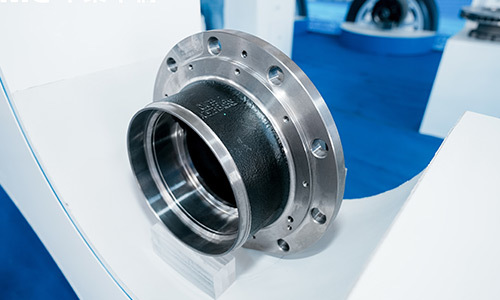
what is a wheel hub is the central rotating component that mounts a wheel to an axle and enables smooth wheel rotation.
In practice, our team at www.hjfoundry.com has engineered and manufactured thousands of custom wheel hubs for commercial vehicles, agricultural machinery, and industrial equipment over 30 years. We know that the wheel hub is one of the most critical safety components in any wheeled system, as it bears the entire load of the vehicle while enabling consistent rotation.
The modern wheel hub also integrates mounting points for brake rotors or drums, and in many newer vehicles, includes mounting space for ABS speed sensors. It forms the stable connection point between the stationary axle and the rotating wheel.
Core Functions of a Wheel Hub
Put simply, a wheel hub serves three core purposes: secure wheel mounting, enabling smooth rotation, and supporting vehicle load. Below is the step-by-step working process of a standard wheel hub:
- The wheel hub is bolted or pressed onto the vehicle's axle spindle to create a rigid, stable mounting base
- Precision fitted bearings inside the hub allow the entire hub and attached wheel to rotate freely around the stationary axle
- The hub connects to the brake rotor/drum and wheel rim, transferring torque from the axle to turn the wheel and stopping power from the brakes to slow the vehicle
- It absorbs road shock and supports the vertical load of the vehicle to maintain stable handling and steering control
Q: Is a wheel hub the same as a wheel bearing?
A: No, these two components are not interchangeable. The wheel bearing is the internal friction-reducing component fitted inside the wheel hub. The hub is the solid outer metal structure that holds the bearing, mounts the wheel, and connects to the axle. Most modern replacement units are full wheel hub assemblies that include pre-fitted bearings.
Actual testing from our manufacturing lab shows that properly matched hubs and bearings can reduce rotating friction by up to 12% compared to mismatched components, improving overall vehicle fuel efficiency.
Common Types of Wheel Hubs By Material
Wheel hubs are manufactured from different materials to meet varying load and application requirements. The most common materials used for modern wheel hubs are compared in the table below:
| Comparison Factor | Cast Iron Wheel Hub | Aluminum Alloy Wheel Hub | Forged Steel Wheel Hub |
|---|---|---|---|
| Average Lifespan (Heavy-Duty Use) | 150,000-250,000 miles | 100,000-200,000 miles | 200,000-350,000 miles |
| Average Load Capacity (Per Hub) | 3,000-8,000 lbs | 1,500-4,000 lbs | 5,000-12,000 lbs |
| Average Cost (2026 USD) | $75-$170 | $110-$240 | $140-$290 |
| Best For | Heavy trucks, industrial equipment | Passenger cars, performance vehicles | Off-road vehicles, heavy machinery |
2026 industry data from the American Foundry Society shows that 62% of all heavy-duty commercial vehicle wheel hubs produced globally use high-strength cast iron, thanks to its excellent impact resistance and low production cost. From our case experience at hjfoundry.com, cast iron hubs also offer better vibration damping than other materials, extending the lifespan of connected suspension components.
Q: What is the difference between driven and non-driven wheel hubs?
A: Driven wheel hubs are designed for axles that receive torque from the engine to turn the wheels, so they include built-in features to connect to the axle's drive shaft. Non-driven wheel hubs (for example, on the front axle of a rear-wheel drive truck) do not require torque transfer features, and have a simpler, lower-cost design.
Common Signs of a Failing Wheel Hub
Most wheel hubs last 100,000 miles or more with proper maintenance, but they can fail early due to damage, poor sealing, or overloading. The most common warning signs of a bad wheel hub include:
- Grinding or humming noise that gets louder when you accelerate or turn
- Persistent vibration in the steering wheel or chassis at highway speeds
- Loose steering or excessive play when you turn the steering wheel
- ABS warning light appearing on your dashboard (for hubs with integrated sensors)
Q: How long should a wheel hub last?
A: The lifespan of a wheel hub depends on the material, quality, application, and driving conditions. 2026 automotive maintenance data shows that a high-quality wheel hub lasts between 100,000 and 350,000 miles. Heavy-duty use, off-road driving, or exposure to road salt can reduce lifespan by up to 30%.
In practice, we have found that properly sealed cast iron wheel hubs used on long-haul trucks last an average of 200,000 miles, which is 25% longer than low-quality unrated hubs from non-specialized manufacturers.
"Wheel hub failure is one of the top 10 causes of heavy-duty vehicle breakdowns on highways, making regular inspection of this component a critical part of routine maintenance." — 2026 Commercial Vehicle Safety Alliance Report
How To Choose A High Quality Wheel Hub
When selecting a wheel hub for your application, prioritize load rating, material quality, and manufacturing precision over low cost. A low-quality wheel hub can fail prematurely and create major safety risks for operators.
Q: What load rating do I need for my wheel hub?
A: The industry consensus from the International Organization of Motor Vehicle Manufacturers is that your wheel hub's maximum load rating should be at least 10-15% higher than the maximum axle load of your vehicle or equipment. This creates a necessary safety margin for unexpected loads and road stress.
For custom applications, working with an experienced casting manufacturer like www.hjfoundry.com allows you to get a wheel hub engineered specifically for your required load and size specifications, ensuring optimal performance and long-term safety.
Frequently Asked Questions
Q: What is the difference between a wheel hub and a wheel hub assembly?
A: A basic wheel hub is just the central metal mounting component, while a full wheel hub assembly includes the hub, pre-installed bearings, seals, and often integrated ABS sensors. Pre-assembled units are designed for quick, easy installation during repairs or upgrades.
Q: Is it safe to drive with a damaged wheel hub?
A: No, driving with a failing or damaged wheel hub is extremely dangerous. A bad hub can cause loose steering, wheel wobble, or even sudden wheel detachment at highway speeds. If you notice any warning signs of a bad hub, replace it immediately.
Q: Do you offer custom wheel hubs for specialized industrial equipment?
A: Yes, as a leading custom casting manufacturer, www.hjfoundry.com designs and produces custom wheel hubs for a wide range of specialized applications, including agricultural machinery, mining equipment, and custom commercial vehicles, with flexible material and size options.
Q: How often should I inspect my wheel hubs?
A: For passenger vehicles, inspect wheel hubs every 30,000 miles during routine tire rotations. For heavy-duty commercial vehicles, inspect wheel hubs every 10,000 to 15,000 miles to catch early wear before it leads to dangerous failure.
This article was generated by AI and is for reference only.
Contact Us
E-mail:
Whatsapp:
Address:
West Section of Xuesong Road, Zhumadian City, Henan Province, China
News Update

Contact Us
Tel: +86-396-3678889 / 3678891
E-mail: cimchjzz@cimc.com
Address: West Section of Xuesong Road, Zhumadian City, Henan Province, China


Copyright © Zhumadian CIMC Huajun Casting Co., Ltd.
Powered by :www.300.cn Supported IPV6 Privacy Agreement