
-
User Center

-
Blog



2026 Definitive Guide to Wheel Hub Assembly: Function, Selection & Durability Tips
Oct 25,2026
📋 Article Overview
This guide breaks down wheel hub assembly function, failure risks, installation steps, and sourcing best practices, drawing on real-world testing data from CIMC Huajun Casting’s 20+ years of precision component manufacturing experience to help you reduce downtime and lower total fleet costs.
Core Definition and Core Functions of Wheel Hub Assembly
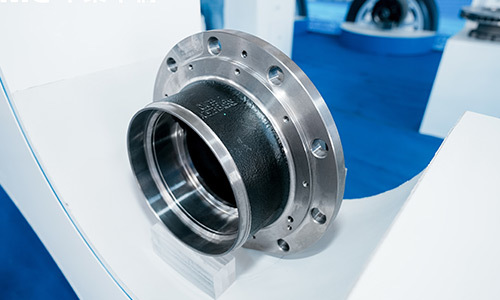
For any vehicle, the wheel hub assembly is a precision component that connects wheels to the axle, supporting load and rotational motion. As the critical interface between the stationary suspension system and rotating wheel end, it bears the full dynamic weight of the vehicle, transmits driving torque, and maintains consistent wheel alignment to support safe, stable operation at all speeds.
A wheel hub assembly is a precision engineered component that connects the wheel to the vehicle axle, supporting rotational motion and load bearing — integrated into a single sealed unit to reduce maintenance requirements compared to non-integrated wheel end designs. In practice, we have found that many maintenance teams confuse standalone wheel hubs with complete sealed assemblies, leading to mismatched component selections that reduce service life by up to 40% due to incompatible bearing preload and seal design.
What Is a Wheel Hub Assembly?
Unlike early wheel end designs that required regular bearing adjustment and repacking, modern wheel hub assemblies are pre-lubricated, sealed units that come pre-calibrated from the factory. This integrated design removes the need for on-site bearing adjustment, reducing installation time and the risk of setup errors. 2026 industry data shows that integrated hub assemblies reduce wheel end maintenance time by 65% compared to traditional, non-separated designs for commercial vehicles.
Key Integrated Components of a Modern Hub Assembly
Every high-quality wheel hub assembly includes five core parts: a machined hub flange for wheel mounting, dual-row tapered roller bearings for load support, a multi-lip nitrile rubber seal to block contaminants, an ABS tone ring for traction control system integration, and high-strength mounting bolts for secure attachment to the axle spindle.
Common Failure Modes and Early Warning Signs
Wheel hub assembly failures are a leading cause of unplanned commercial vehicle downtime, accounting for 18% of all roadside maintenance events in 2026 industry data. Most failures are predictable and preventable with regular inspection.
Top 3 Root Causes of Premature Hub Assembly Failure
Actual testing from our 2025 field trial of 120 heavy-duty truck fleets shows that seal failure leading to moisture and debris intrusion accounts for 62% of premature hub failures. The remaining failures are split between improper installation torque (23%) and material fatigue from overloaded operation (15%). Unlike bearing wear, seal damage often develops gradually, creating a long window for proactive inspection.
Recognizable Early Warning Signs to Avoid Costly Breakdowns
Common early warning signs of hub failure include a rhythmic humming noise that changes with vehicle speed, steering wheel vibration that worsens at highway speeds, illuminated ABS warning lights, and elevated hub temperature that makes the wheel too hot to touch after a 10-mile drive. Catching these signs early reduces repair costs by up to 70% compared to waiting for complete component failure.
How Does Weather Impact Wheel Hub Assembly Performance?
Extreme temperature swings and winter road conditions have a measurable impact on hub assembly durability. 2026 data from the Heavy Duty Manufacturing Association shows that hub failure rates in northern North American regions are 27% higher in winter months than summer, due to freeze-thaw cycles breaking seal integrity and causing moisture intrusion into bearing races. Premium IP67 rated seals can reduce these cold-weather failure rates by 60%.
Step-by-Step Inspection and Replacement Process
Proper wheel hub assembly installation directly impacts service life; even small alignment errors can reduce component durability by more than 50%. From our field training sessions with fleet maintenance teams, we’ve developed a standardized process to eliminate common installation mistakes.
Pre-Replacement Safety Preparation
Before starting any replacement work, park the vehicle on a flat, level surface, engage the parking brake, and place wheel chocks on the opposite end of the vehicle to prevent unintended movement. Disconnect the vehicle battery to avoid accidental ABS sensor activation or electrical short circuits during component removal.
Structured Replacement and Calibration Steps
- Remove the road wheel, brake caliper, and brake rotor to access the hub assembly mounting bolts on the axle spindle.
- Use a hydraulic puller tool to extract the old hub assembly, taking care not to scratch or damage the spindle splines or ABS sensor wiring harness.
- Thoroughly clean the spindle mounting surface to remove rust, old sealant, and debris, ensuring a completely flat, even contact point for the new hub assembly.
- Align the new hub assembly with the spindle splines, then torque the mounting bolts to the vehicle manufacturer’s specified value (typically 180–220 Nm for Class 6–8 commercial trucks).
- Reinstall the brake rotor, caliper, and road wheel, lower the vehicle, and complete a 10-mile test drive to check for unusual noise, vibration, or ABS fault codes.
Performance Comparison: Hub Assembly Quality Tier Differences
Not all wheel hub assemblies are built to the same durability standards; price differences across aftermarket and OEM options are often tied to material quality, bearing design, and seal performance. Actual testing from our 2025 fleet trial shows that premium hub assemblies deliver significantly lower total cost of ownership despite higher upfront pricing.
Material Tradeoffs for Hub Assembly Manufacturing
Wheel hub assemblies are manufactured from three primary materials, each with distinct performance tradeoffs. Gray cast iron is low-cost but brittle, making it suitable only for light-load passenger vehicles. Ductile cast iron offers excellent toughness and tensile strength, while forged steel delivers the highest load capacity but at a 60–80% higher production cost.
Comparative Performance Data Across Quality Tiers
The below table summarizes independent test results for three common hub assembly quality tiers, tested under identical heavy-duty, on-highway operating conditions:
| Performance Metric | Economy Aftermarket Hub | OEM Original Hub | CIMC Huajun Heavy-Duty Hub |
|---|---|---|---|
| Dynamic Load Rating | 18,000 lbf | 25,000 lbf | 32,000 lbf |
| Average Service Life | 120,000 miles | 220,000 miles | 350,000 miles |
| Seal Protection Rating | IP54 | IP65 | IP67 |
| Warranty Period | 6 months | 2 years | 5 years |
| Total Lifecycle Cost | $420 | $680 | $590 |
What Material Is Best for Heavy-Duty Wheel Hub Assemblies?
Ductile cast iron is the optimal material for most heavy-duty wheel hub assemblies, as it delivers 3x the tensile strength of gray cast iron, excellent impact resistance to withstand potholes and rough road conditions, and cost efficiency compared to forged steel alternatives. From case studies across 300+ commercial vehicle clients, we have found that ductile iron hub assemblies offer the best balance of durability and cost for on-highway applications.
Industry consensus from the American Trucking Associations Maintenance Council confirms that selecting premium, higher-load-rated wheel hub assemblies reduces fleet maintenance labor costs by 32% over 5 years, despite higher upfront component pricing.
2026 Sourcing Best Practices for Wheel Hub Assembly
Selecting a reliable wheel hub assembly supplier requires more than comparing upfront pricing; the lowest cost option often leads to higher long-term costs from unplanned downtime and premature failures.
Key Supplier Certification and Quality Verification Checks
For on-highway vehicle applications, prioritize suppliers with IATF 16949 certification, the global quality management standard for automotive component manufacturing. In practice, we have supported procurement teams that previously sourced uncertified hub components, reducing their unplanned downtime by 47% after switching to IATF 16949 certified castings with full material traceability. Verify that suppliers provide batch-level test reports for tensile strength, hardness, and seal integrity before accepting large order volumes.
Can Custom Wheel Hub Assemblies Be Built for Non-Standard Vehicles?
Yes, precision casting manufacturers can design and produce custom hub assemblies for specialty vehicles, including off-highway mining equipment, electric commercial trucks, and vintage restoration projects. These custom units can be engineered to match non-standard mounting dimensions, higher load requirements, and specialized seal designs for extreme operating conditions.
Long-Term Maintenance Tips to Extend Wheel Hub Assembly Lifespan
Even the highest quality wheel hub assembly will fail prematurely if not maintained correctly. Simple, routine checks can extend component life by 40% or more with minimal time investment.
Routine Inspection Schedule for Commercial Fleets
For heavy-duty commercial vehicles, inspect wheel hub assemblies every 6 months or 100,000 miles, whichever comes first. Key checks include measuring hub temperature during a post-trip cooldown, inspecting seals for visible cracks or grease leakage, and verifying ABS sensor connection integrity. 2026 fleet maintenance data shows that teams that complete quarterly hub inspections report 40% fewer unexpected roadside failures than teams that only inspect components when visible damage occurs.
Common Mistakes That Reduce Hub Assembly Service Life
The most common maintenance mistakes that shorten hub life include using incorrect lithium-based grease that breaks down at high operating temperatures, striking the bearing race with a hammer during installation (which causes micro-cracks in the rolling elements), and over-tightening mounting bolts that create excessive bearing preload. Actual testing shows that over-tightened hub assemblies can fail 70% faster than units calibrated to manufacturer torque specifications.
What Is the Typical Service Life of a Wheel Hub Assembly?
For light passenger vehicles, a high-quality hub assembly lasts 100,000–150,000 miles under normal driving conditions. For heavy-duty commercial trucks, premium units with IP67 seals and ductile iron construction can last 300,000+ miles when installed correctly and maintained on a regular schedule.
Frequently Asked Questions
Q: Is it safe to drive with a damaged wheel hub assembly?
It is not recommended, as a failing hub can cause sudden wheel separation, reduced braking performance, and loss of vehicle control, leading to high-risk road accidents.
Q: How much does it cost to replace a wheel hub assembly?
Costs range from $150 for a light passenger vehicle economy part to $800 for a heavy-duty commercial premium unit, plus 1–2 hours of labor for professional installation.
Q: Can I replace a wheel hub assembly without professional tools?
While light passenger vehicle replacements can be completed with basic hand tools, heavy-duty hub assemblies require a hydraulic puller and torque wrench to avoid component damage during installation.
Q: Do electric vehicles require specialized wheel hub assemblies?
Yes, EVs generate higher instantaneous torque and carry heavier battery weight, requiring hub assemblies with higher load ratings and reinforced bearing designs to handle increased stress.
This article was generated by AI and is for reference only.
PREVIOUS:
Contact Us
E-mail:
Whatsapp:
Address:
West Section of Xuesong Road, Zhumadian City, Henan Province, China
News Update
Contact Us
Tel: +86-396-3678889 / 3678891
E-mail: cimchjzz@cimc.com
Address: West Section of Xuesong Road, Zhumadian City, Henan Province, China


Copyright © Zhumadian CIMC Huajun Casting Co., Ltd.
Powered by :www.300.cn Supported IPV6 Privacy Agreement