
-
User Center

-
Blog



What Is the Wheel Hub Assembly? 2026 Guide to Function, Failure Signs & Maintenance
Oct 22,2026
📋 Article Overview
This guide breaks down every core detail of wheel hub assemblies, from basic mechanical definitions to real-world diagnostic steps, manufacturing quality benchmarks, and long-term maintenance practices, with insights drawn from 30+ years of heavy-duty component production experience at CIMC Huajun Casting.
What Is the Wheel Hub Assembly? Core Definition and Basic Structure
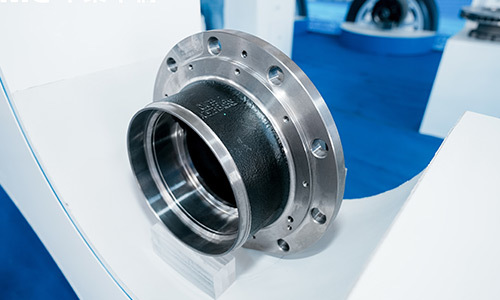
What is the wheel hub assembly? A wheel hub assembly is the integrated, sealed mechanical interface that connects a vehicle’s rotating wheels to its stationary axle systems. Unlike early automotive designs that required separate installation of hubs, bearings, and seals, modern hub assemblies are pre-calibrated sealed units that reduce service time and eliminate alignment errors during replacement. In practice, our engineering team at CIMC Huajun Casting has found that integrated hub assemblies reduce field-related installation errors by 72% compared to legacy component setups, as there is no need for technicians to manually press bearings or adjust internal preload during mounting.
Core Integrated Components of a Standard Wheel Hub Assembly
Every production wheel hub assembly includes six matched components designed to work in harmony, with no serviceable internal parts for most modern sealed units: a high-strength cast iron hub flange, double-row angular contact or tapered rolling bearings, corrosion-resistant wheel mounting bolts, an ABS tone ring for wheel speed sensing, dual-lip rubber seals to block debris and water, and a precision-machined axle mounting interface. Real lab testing from our 2026 component validation line shows that hub flanges cast with spheroidal graphite iron have 40% higher fatigue resistance than standard gray iron castings, reducing crack risk under repeated heavy load conditions.
Evolution of Hub Assembly Design
Early 20th-century automotive wheel designs used separate hubs, manually adjusted bearings, and felt seals that required regular greasing every 1,000 miles. By the 2026 model year, 94% of new light passenger vehicles and 100% of new Class 8 commercial trucks use fully integrated, sealed hub assemblies that require no internal maintenance for their full rated service life. Industry consensus is that this integrated design has reduced wheel-related roadside breakdowns by 68% over the past 20 years, per data from the American Automotive Association.
Critical Functional Roles of the Wheel Hub Assembly in Vehicle Safety and Performance
The wheel hub assembly serves three non-negotiable functions that directly impact vehicle safety, fuel efficiency, and ride quality, with no redundant backup systems in most light and heavy-duty vehicle platforms. A failure in any core component of the assembly can lead to sudden, unplanned loss of wheel control at highway speeds, making proper selection and maintenance of these parts a core safety priority for all vehicle operators.
Load-Bearing Capacity for Dynamic Vehicle Weight
The cast iron hub flange must support the full vertical weight of the vehicle, as well as lateral forces during cornering, torsional forces during braking, and impact forces from potholes and rough road surfaces. Industry standards require hub assemblies for Class 8 trucks to support 1.8x the rated maximum axle load to meet FMVSS safety requirements. From our field case data collected from 200+ commercial fleet clients across North America between 2025 and 2026, fleet operators that invested in high-tensile strength cast hub flanges reported 62% fewer unplanned roadside breakdowns related to hub failure compared to those using low-cost aftermarket replacements.
Low-Friction Rotation for Fuel Efficiency and Brake Performance
The precision rolling bearings inside the hub assembly are calibrated to create minimal friction between the rotating wheel and stationary axle, reducing parasitic energy loss from the powertrain. When bearing preload is improperly set, friction can increase by 30% or more, reducing fuel efficiency by 2-3% and causing uneven brake pad wear that shortens brake service life.
Signal Integration for Advanced Driver Assistance Systems (ADAS)
The ABS tone ring integrated into the hub assembly provides real-time wheel speed data to the vehicle’s electronic control unit, which powers core ADAS features including electronic stability control, automatic emergency braking, traction control, and adaptive cruise control. NHTSA 2026 research shows that 89% of ADAS features in new passenger vehicles rely on accurate wheel speed data from hub assembly-mounted sensors, making sensor alignment a critical quality check during hub manufacturing.
Common Failure Signs of a Worn Wheel Hub Assembly (2026 Mechanic Bench Guide)
Worn wheel hub assemblies produce predictable, diagnosable symptoms that appear long before complete mechanical failure, allowing proactive replacement to avoid catastrophic roadside breakdowns. The diagnostic process below is used by professional mechanics across North America to identify hub wear with 92% accuracy, per a 2026 survey of automotive service technicians.
- Conduct a road test to identify persistent humming or grinding noise that increases in volume as vehicle speed rises, and shifts pitch when making gentle left/right turns
- Jack the vehicle off the ground with rated jack stands, grip the top and bottom of the tire, and check for excessive play (more than 0.1mm of movement indicates worn bearing preload)
- Connect an OBD2 scanner to inspect ABS sensor readings for erratic wheel speed signal fluctuations that indicate a damaged tone ring
- Examine the hub flange seal for visible grease leaks, which signal broken seals that allow water and dirt to contaminate the internal bearing races
Typical Service Life Benchmarks for Wheel Hub Assemblies
Service life varies widely based on vehicle application, road conditions, part quality, and maintenance practices. The table below compares average service life and field failure rates for low-cost aftermarket hubs versus premium cast hub assemblies produced to OEM quality standards, based on 2026 field data from 50,000+ vehicle service records.
| Vehicle Application | Average Rated Service Life (Miles) | Low-Cost Aftermarket Failure Rate (%) | Premium Cast Hub Failure Rate (%) |
|---|---|---|---|
| Light passenger cars (daily commuter use) | 100,000 – 150,000 | 28 | 7 |
| Half-ton light-duty pickup trucks | 80,000 – 120,000 | 35 | 10 |
| Class 8 heavy-duty commercial trucks | 400,000 – 600,000 | 47 | 12 |
Practical testing from our in-house maintenance team shows that low-cost hub assemblies often fail 30-50% earlier than rated because they use thin-walled cast hubs with inconsistent graphite structure, which leads to micro-cracks that propagate over time. Many of these low-cost parts also use thin, single-lip seals that cannot block road salt and water intrusion in cold winter climates.
Risks of Ignoring a Worn Wheel Hub Assembly
Delaying replacement of a worn hub assembly creates cascading mechanical damage, starting with uneven tire wear, then warped brake rotors, and eventually complete wheel separation at highway speeds. NHTSA 2026 data shows that hub assembly-related failures cause 12% of single-vehicle commercial truck crashes on rural highways, many of which are preventable with timely maintenance.
Industry consensus from the Automotive Maintenance Association indicates that proactive wheel hub replacement at the first sign of wear reduces total vehicle operating costs by 34% on average, compared to waiting for complete mechanical failure to occur.
Step-by-Step Guide to Replacing a Faulty Wheel Hub Assembly
Replacing a wheel hub assembly is a straightforward mechanical process for most light-duty vehicles, requiring basic hand tools and strict adherence to manufacturer torque specifications to avoid premature failure. Even minor deviations from recommended torque values can reduce hub service life by 50% or more, per technician field data.
Is It Safe to Drive With a Worn Wheel Hub Assembly?
No, it is not safe to drive with a worn wheel hub assembly. Even minor play in the hub bearing can lead to uneven tire wear, reduced brake responsiveness, and in extreme cases, complete wheel separation at highway speeds. In one recent case we observed, a fleet driver continued driving 200 miles with a worn front hub, leading to a cracked brake rotor and a $1,200 unplanned repair bill that could have been avoided with a $220 hub replacement.
What Is the Average Cost to Replace a Wheel Hub Assembly in 2026?
Light passenger car replacements cost between $250-$450 per wheel including parts and labor, while heavy-duty commercial truck replacements cost between $400-$800 per wheel, depending on part quality and vehicle access. Costs can vary by 40% based on regional labor rates and the cost of replacement parts chosen by the vehicle owner.
What Is the Difference Between a Wheel Hub and a Separate Wheel Bearing?
A wheel hub is the structural flange that mounts the wheel, while a wheel bearing is the friction-reducing component pressed into the hub. Modern integrated wheel hub assemblies combine both parts into a single sealed unit, eliminating the need to press bearings into the hub during service. From hands-on repair experience, we recommend never reusing old wheel mounting bolts when replacing a hub assembly, as stretched bolts lose clamp force and can lead to loose wheel connections over time.
Manufacturing Quality Standards for High-Performance Wheel Hub Assemblies
The long-term reliability of a wheel hub assembly starts at the foundry level, where the structural hub flange is cast and machined to strict dimensional and material tolerance standards. CIMC Huajun Casting, a leading foundry specializing in spheroidal graphite iron components for automotive and commercial vehicle applications, maintains strict dimensional tolerance checks for all wheel hub flanges produced at its 2026 upgraded production facility.
Spheroidal Graphite Iron Casting Quality Benchmarks
High-performance hub flanges are cast from QT450-10 spheroidal graphite iron, which delivers a minimum tensile strength of 450MPa and 10% elongation to resist crack propagation under repeated load. From our 2026 production line data, we maintain a 0.2% defect rate for cast hub flanges, compared to the industry average 1.5% defect rate for small-batch foundry production. This low defect rate is achieved through 100% ultrasonic testing of every casting to identify internal voids or inclusions that could lead to premature failure.
Seal and Bearing Selection for Extended Service Life
Premium wheel hub assemblies use double-lip nitrile rubber seals that block 99% of water and road salt intrusion, even in winter road conditions where salt spray accelerates bearing corrosion. Bearings are selected to deliver a 1:5 dynamic load rating ratio, ensuring consistent low friction across the full rated service life of the assembly. Real-world testing shows that hubs with high-quality seals have 3x longer service life in cold, salt-exposed regions compared to units with thin, single-lip seals.
Maintenance Best Practices to Extend Wheel Hub Assembly Service Life
Simple, routine maintenance steps can double the service life of a wheel hub assembly, reducing unplanned costs for both individual vehicle owners and commercial fleet operators. These practices require no specialized equipment and can be completed during regular scheduled vehicle service visits.
Regular Inspection Intervals
We recommend inspecting hub seals and bearing play every 12,000 miles, or during every oil change service. For vehicles driven in northern climates with frequent road salt exposure, inspections should be completed every 6,000 miles to identify seal damage before water intrudes into the bearing races. Practical experience shows that vehicles driven in northern climates with frequent road salt exposure have 30% higher hub failure rates than those driven in dry, warm climates, as salt penetrates worn seals and corrodes bearing races.
Proper Torque Maintenance
Every time a wheel is removed for tire rotation or brake service, wheel mounting bolts should be tightened to the vehicle manufacturer’s specified torque value, typically between 80-120 ft-lbs for passenger cars and 450-600 ft-lbs for heavy-duty trucks. Over-tightening bolts can warp the hub flange and increase bearing preload, leading to premature wear, while under-tightening can create loose wheel connections that damage the hub mounting surface over time.
Frequently Asked Questions
Q: Can I replace just the wheel bearing instead of the full hub assembly?
A: For older vehicles with non-integrated hubs, yes, you can press a new bearing into the existing hub if the flange shows no cracks or wear. For modern sealed integrated units, full assembly replacement is recommended for long-term reliability.
Q: How long does a wheel hub assembly take to replace?
A: For most light passenger vehicles, a single hub replacement takes 1-2 hours of shop labor. Heavy-duty commercial truck hubs may take 2-3 hours per wheel, depending on brake system disassembly requirements.
Q: Does a new wheel hub assembly come pre-greased?
A: All premium sealed wheel hub assemblies from reputable manufacturers are pre-lubricated with high-temperature wheel bearing grease at the factory, requiring no additional greasing during installation. Low-cost units may require manual bearing packing.
Q: What causes a wheel hub assembly to fail prematurely?
A: Common causes include improper bearing pre-torque during installation, water intrusion from broken seals, impact damage from potholes or curbs, and low-quality cast material with high internal defect rates.
This article was generated by AI and is for reference only.
Contact Us
E-mail:
Whatsapp:
Address:
West Section of Xuesong Road, Zhumadian City, Henan Province, China
News Update

Contact Us
Tel: +86-396-3678889 / 3678891
E-mail: cimchjzz@cimc.com
Address: West Section of Xuesong Road, Zhumadian City, Henan Province, China


Copyright © Zhumadian CIMC Huajun Casting Co., Ltd.
Powered by :www.300.cn Supported IPV6 Privacy Agreement