
-
User Center

-
Blog

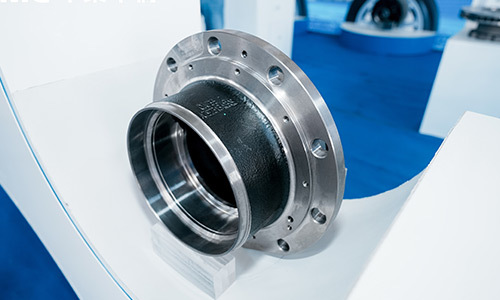



Top Features to Look for in Heavy Duty Truck Brake Drums
Apr 05,2026
Top Features to Look for in Heavy Duty Truck Brake Drums
Introduction to Heavy Duty Truck Brake Drums
When it comes to heavy-duty trucks, safety and performance are non-negotiable. **Brake drums** play a critical role in the braking system, and understanding the key features to look for can make a significant difference in ensuring your vehicle operates efficiently and safely. This guide will walk you through the most important attributes of brake drums for heavy-duty trucks, helping you make informed decisions whether you're a fleet manager, a mechanic, or a truck owner.
Understanding the Functionality of Brake Drums
Brake drums are an essential component of the **drum brake system**, which uses friction to slow down or stop the vehicle. When the brake pedal is engaged, brake shoes press against the inside surface of the drum, creating the necessary friction to slow the vehicle down. This system is particularly prevalent in heavy-duty trucks due to its robustness and reliability.
Importance of Material Composition
One of the first factors to consider when selecting brake drums is the **material** from which they are made. High-quality materials ensure durability, heat resistance, and longevity.
Cast Iron vs. Aluminum Brake Drums
- **Cast Iron**: Most traditional brake drums are made from cast iron. This material is known for its high strength and excellent heat dissipation properties. Cast iron drums can withstand the significant thermal loads generated during braking, making them ideal for heavy-duty applications.
- **Aluminum**: While lighter than cast iron, aluminum drums are less common in heavy-duty applications due to their susceptibility to warping under extreme heat. However, they can be effective in specific lighter-duty scenarios where weight reduction is a priority.
Durability and Wear Resistance
Durability is paramount in selecting brake drums. Heavy-duty trucks are often subjected to extreme conditions, including heavy loads and long-distance travel. Thus, look for drums that feature enhanced wear-resistant characteristics.
Surface Treatment Options
Brake drums can often be treated with specialized coatings or surface treatments that improve their wear resistance. Popular options include:
- **Thermal Coatings**: These are designed to withstand extreme temperatures and prevent thermal cracking.
- **Corrosion Resistance**: Look for drums that are coated to resist rust and corrosion, especially if the truck operates in wet or salty environments.
Optimal Design for Performance
The design of the brake drum significantly impacts its performance. Various design features can enhance braking efficiency and vehicle safety.
Ventilation Features
Ventilated brake drums have air passages that allow for better airflow, helping to reduce heat buildup. This is crucial in heavy-duty applications where brakes can overheat quickly, leading to brake fade and compromised performance.
Drum Size and Configuration
The size of the brake drum is another critical consideration. Larger drums provide more surface area for the brake shoes, enhancing braking power. Additionally, the configuration—such as the diameter and width—should match the specifications of your truck to ensure compatibility and optimal performance.
Compatibility with Brake Shoes
Brake drums must be compatible with the brake shoes used in the system. Mismatched components can lead to uneven wear, decreased braking effectiveness, and potential safety hazards. Ensure that the selected drum is designed to work seamlessly with your specific brake shoe type.
Types of Brake Shoes
- **Shoe Design**: Consider the design of the brake shoes, such as whether they are bonded or riveted. Each type interacts differently with the drum.
- **Material Composition**: Brake shoes are typically made from various materials, including organic, semi-metallic, or ceramic composites. The choice of brake shoe material can influence the performance and longevity of the drum.
Performance under Load
Heavy-duty trucks are often tasked with carrying substantial loads. Therefore, the brake drum must perform effectively under high-stress conditions, ensuring that it can handle the weight without compromising safety.
Load Ratings and Specifications
Check the load rating of the brake drum to ensure it can handle the specific demands of your truck's intended use. Manufacturers typically provide detailed specifications to help you choose the right drum based on your vehicle's requirements.
Heat Dissipation Capabilities
As mentioned earlier, heat dissipation is critical for maintaining brake performance. Evaluate the design features aimed at improving heat dissipation, such as:
- **Larger Surface Areas**: A larger surface area helps in dissipating heat more efficiently.
- **Cooling Vents**: Drums with integrated cooling vents can help manage heat more effectively during extended braking periods.
Manufacturer Reputation and Warranty
Choosing a brake drum from a reputable manufacturer can provide additional peace of mind. Research brands known for their quality and reliability, and consider those that offer warranties on their products. A solid warranty can protect you from manufacturing defects and give you confidence in your investment.
Maintenance Tips for Heavy Duty Truck Brake Drums
Proper maintenance of brake drums can extend their lifespan and ensure optimal performance. Here are some tips to keep in mind:
Regular Inspections
Conduct routine inspections of the brake system, including the drums, shoes, and hardware. Look for signs of wear, cracks, or warping, and address these issues promptly to avoid more significant problems.
Cleanliness is Key
Keep the brake drums clean and free from dust, dirt, and debris. Contaminants can negatively affect braking performance and lead to premature wear.
Proper Adjustment and Alignment
Ensure that the brake system is properly adjusted and aligned. Misalignment can lead to uneven wear and reduced braking effectiveness. Professional alignment checks can enhance the longevity of your brake drums.
Monitor Brake Fluid Levels
Maintaining proper brake fluid levels is crucial for ensuring the entire braking system functions correctly. Low fluid levels can lead to a compromised braking performance, impacting safety.
FAQs about Heavy Duty Truck Brake Drums
1. What is the lifespan of heavy-duty truck brake drums?
The lifespan of brake drums can vary significantly based on factors such as usage, load, and maintenance. Generally, well-maintained brake drums can last between 150,000 to 300,000 miles.
2. How do I know when to replace my brake drums?
Signs that it’s time to replace your brake drums include excessive wear, cracking, heat spots, and diminished braking performance. Regular inspections will help identify these issues early.
3. Can I use aftermarket brake drums?
Yes, aftermarket brake drums can be used, but it’s crucial to ensure they meet or exceed OEM specifications to maintain safety and performance.
4. What is the cost of heavy-duty truck brake drums?
The cost can vary based on the brand, material, and specifications. Generally, high-quality brake drums can range from $100 to $300 each.
5. Are there any specific brands recommended for heavy-duty truck brake drums?
Some reputable brands in the industry include Bendix, Meritor, and Haldex. Research customer reviews and consult professionals for recommendations.
Conclusion
In summary, selecting the right heavy-duty truck brake drums involves understanding several critical features such as material composition, durability, design, and compatibility with other brake components. By considering these factors and adhering to proper maintenance practices, you can ensure that your truck operates safely and efficiently on the road. Making informed choices will not only enhance performance but also contribute to the overall longevity of your vehicle’s braking system.
PREVIOUS:
Contact Us
E-mail:
Whatsapp:
Address:
West Section of Xuesong Road, Zhumadian City, Henan Province, China
News Update

Contact Us
Tel: +86-396-3678889 / 3678891
E-mail: cimchjzz@cimc.com
Address: West Section of Xuesong Road, Zhumadian City, Henan Province, China


Copyright © Zhumadian CIMC Huajun Casting Co., Ltd.
Powered by :www.300.cn Supported IPV6 Privacy Agreement