
-
User Center

-
Blog

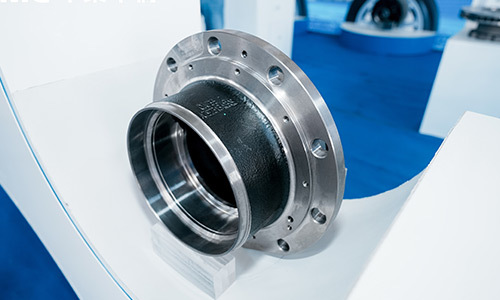



Understanding the Critical Role of Heavy Duty Truck Brake Drums in Ensuring Fleet Safety
Feb 14,2026
Understanding the Critical Role of Heavy Duty Truck Brake Drums in Ensuring Fleet Safety
Fleet safety is an indispensable aspect of commercial transportation, especially for heavy-duty trucks. One critical component often overlooked in discussions about safety is the **brake drum**. The brake drum plays a vital role in the braking system, and its performance directly impacts the safety and efficiency of a fleet. This article will delve into the importance of heavy-duty truck brake drums and how they contribute to maintaining fleet safety.
The Basics of Heavy Duty Truck Brake Drums
Brake drums are essential components of a truck's braking system, converting hydraulic pressure into mechanical energy to slow down or stop the vehicle. They are typically made from cast iron or aluminum alloys, providing the strength needed to withstand the high heat generated during braking.
What Are Brake Drums?
A brake drum is a cylindrical component that houses the brake shoes. When the brake pedal is pressed, hydraulic fluid is sent to the brake system, causing the brake shoes to expand against the inside surface of the drum. This friction slows down the vehicle, allowing for safe stopping. The efficiency of this process is paramount, especially for heavy-duty trucks that carry substantial loads.
Types of Brake Drums
Heavy-duty truck brake drums come in various types, each designed for specific applications and load requirements. Some common types include:
- **Standard Brake Drums**: Used in most heavy-duty trucks, they are designed for general freight hauling.
- **Ventilated Brake Drums**: Feature ventilation holes to dissipate heat, making them ideal for long-distance towing or heavy loads.
- **Heavy-Duty Brake Drums**: Built to withstand extreme conditions and heavy loads, offering maximum durability and efficiency.
The Importance of Brake Drums in Fleet Safety
Brake drums play a pivotal role in ensuring the safety of heavy-duty trucks on the road. Their reliability affects not only the truck's performance but also the safety of other road users.
Impact on Braking Efficiency
The efficiency of a truck's braking system is crucial for safe operation. Worn or damaged brake drums can lead to decreased braking performance, resulting in longer stopping distances. This can be particularly dangerous when driving in urban areas or under adverse weather conditions. Regular inspections and timely replacements of brake drums can significantly enhance braking efficiency.
Heat Management and Brake Fade
Brake fade occurs when brake components overheat due to continuous use, leading to reduced stopping power. Heavy-duty truck brake drums are designed to manage heat effectively. Ventilated designs can help dissipate heat more efficiently, preventing brake fade and ensuring consistent braking performance over time.
Best Practices for Brake Drum Maintenance
Proper maintenance of brake drums is essential for maintaining fleet safety. Implementing a comprehensive maintenance program can help fleet managers prolong the lifespan of brake drums and ensure optimal performance.
Regular Inspections
Conducting regular inspections of brake drums is vital for identifying wear and tear. Inspect for cracks, warping, or excessive wear on the braking surface. Any signs of damage should be addressed immediately to avoid compromising safety.
Monitoring Brake Shoe Condition
The condition of brake shoes directly affects the performance of brake drums. Ensure that brake shoes are regularly checked and replaced as needed. Worn brake shoes can create uneven wear on the brake drums, leading to premature failure.
Proper Installation and Adjustment
Ensure that brake drums are installed correctly and adjusted according to manufacturer specifications. Improper installation can lead to abnormal wear and decreased performance. Regularly adjust the brake system to maintain optimal contact between the brake shoes and the drum.
Selecting the Right Brake Drums for Your Fleet
Choosing the appropriate brake drums is crucial for maintaining fleet safety. Factors to consider include:
Load Requirements
The weight of the loads being transported significantly influences the choice of brake drums. Heavy-duty applications may require thicker, more robust brake drums that can handle increased stress.
Driving Conditions
Consider the types of driving conditions your fleet typically encounters. Trucks that frequently operate in mountainous regions may benefit from ventilated brake drums, while those operating in urban settings may prioritize standard brake drums for their balance of durability and cost-effectiveness.
Manufacturer Reputation
Opt for brake drums from reputable manufacturers known for quality and reliability. Research reviews and testimonials to ensure you are selecting products that meet industry standards.
The Cost of Neglecting Brake Drum Maintenance
Neglecting brake drum maintenance can lead to costly repairs and potential accidents. The financial implications can be substantial, including:
Increased Repair Costs
Worn or damaged brake drums can lead to further damage to the braking system, necessitating costly repairs. Addressing issues early can save your fleet significant expenses in the long run.
Downtime and Loss of Revenue
Brake failures can lead to unplanned downtime, impacting your fleet's ability to deliver goods on time. This can result in lost revenue and damage to your company’s reputation.
Technology in Brake Drum Manufacturing
Advancements in technology are continually improving the design and performance of heavy-duty truck brake drums. Innovations such as lightweight materials, enhanced cooling systems, and improved friction materials contribute to better performance and safety.
Lightweight Materials
The use of lightweight materials, such as composite alloys, enhances fuel efficiency without compromising strength. This innovation can significantly reduce the overall weight of a truck, improving handling and stopping power.
Enhanced Cooling Systems
Modern brake drums feature advanced cooling technologies that manage heat more effectively, preventing brake fade and ensuring consistent performance.
Conclusion
In summary, heavy-duty truck brake drums are crucial components that directly influence fleet safety. Regular maintenance, timely inspections, and the selection of proper brake drums can significantly enhance braking efficiency and overall vehicle reliability. By understanding the importance of these components, fleet managers can take proactive steps to ensure the safety of their vehicles and drivers. Investing in high-quality brake drums and adhering to best practices in maintenance will ultimately lead to safer roads for everyone, making it a vital concern for any fleet operations.
FAQs
1. How often should heavy-duty truck brake drums be inspected?
It is recommended to inspect brake drums at least every 6,000 miles or during regular maintenance checks.
2. What are the signs that brake drums need replacement?
Signs include unusual noises, decreased braking efficiency, and visible cracks or warping on the drum surface.
3. Can I use aftermarket brake drums instead of OEM parts?
Yes, aftermarket brake drums can be used, but it's essential to ensure they meet quality and safety standards comparable to OEM parts.
4. How do I choose the right brake drum for my truck?
Consider your truck's load capacity, driving conditions, and manufacturer recommendations when selecting brake drums.
5. What is the average lifespan of heavy-duty truck brake drums?
On average, heavy-duty truck brake drums can last between 200,000 to 300,000 miles, depending on usage and maintenance practices.
Contact Us
E-mail:
Whatsapp:
Address:
West Section of Xuesong Road, Zhumadian City, Henan Province, China
News Update

Contact Us
Tel: +86-396-3678889 / 3678891
E-mail: cimchjzz@cimc.com
Address: West Section of Xuesong Road, Zhumadian City, Henan Province, China


Copyright © Zhumadian CIMC Huajun Casting Co., Ltd.
Powered by :www.300.cn Supported IPV6 Privacy Agreement