
-
User Center

-
Blog


How to Identify the Signs of a Failing Rear Wheel Hub in Heavy Trucks
Jan 19,2026
How to Identify the Signs of a Failing Rear Wheel Hub in Heavy Trucks
Heavy trucks are pivotal in the transportation industry, carrying vital goods across long distances. Among the various components that ensure their functionality, the rear wheel hub plays a significant role. It connects the wheel to the axle and allows for smooth rotation. Recognizing the signs of a failing rear wheel hub can save truck operators time, money, and even lives. This article delves deep into how to identify these signs, what causes them, and the best practices for maintenance.
Table of Contents
- Understanding Rear Wheel Hubs
- Common Signs of Rear Wheel Hub Failure
- Causes of Rear Wheel Hub Failure
- Preventive Measures for Hub Longevity
- Maintenance Tips for Rear Wheel Hubs
- When to Replace Rear Wheel Hubs
- Impact of Hub Failure on Trucking Operations
- FAQs About Rear Wheel Hubs
Understanding Rear Wheel Hubs
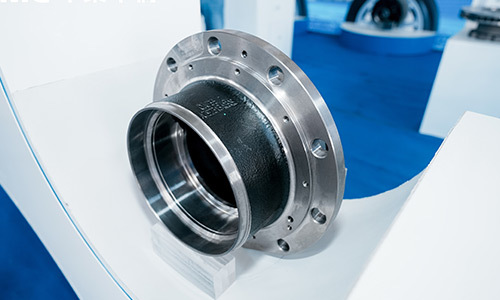
The rear wheel hub is a critical component that serves as the hub of the wheel assembly. It allows the wheels to rotate while supporting the weight of the vehicle. In heavy trucks, these hubs endure significant stress from the weight of cargo and the rigors of the road. A well-functioning rear wheel hub is essential for maintaining vehicle stability, traction, and safety.
Components of a Rear Wheel Hub
A typical rear wheel hub assembly includes:
- Wheel Bearing: Facilitates smooth rotation of the wheel.
- Hub Assembly: Connects the wheel and the axle, providing support.
- Brake Components: Integral to the vehicle's braking system.
- Seals: Prevent dirt and moisture from entering the hub.
Common Signs of Rear Wheel Hub Failure
Detecting failure signs early can prevent extensive damage and costly repairs. Here are the most common indicators of a failing rear wheel hub:
1. Unusual Noises
One of the first signs of a failing rear wheel hub is a noticeable change in sound. You may hear:
- Grinding: Indicates wear in the wheel bearings.
- Humming: A consistent noise when the truck is in motion, often worsening with speed.
- Clunking: Suggests loose components within the hub assembly.
2. Vibration or Wobbling
If the truck feels like it is vibrating or wobbling when driving, it could indicate that the rear wheel hub is failing. This symptom often becomes apparent at higher speeds and can lead to loss of control.
3. Uneven Tire Wear
Inspecting tire wear patterns can provide insights into the condition of the rear wheel hub. If the tires show signs of uneven wear, such as bald spots or excessive wear on one side, it may suggest hub issues.
4. Play in the Wheel
Excessive movement or play in the wheel can indicate worn bearings within the hub. This can be checked by lifting the vehicle and trying to move the wheel side to side. Any noticeable play is a sign of potential failure.
5. Brake Issues
If there are problems with the braking system, such as dragging or decreased effectiveness, it might be related to the rear wheel hub. A failing hub can affect brake alignment and function, posing significant safety risks.
Causes of Rear Wheel Hub Failure
Understanding the causes of rear wheel hub failure helps in prevention and maintenance. The following factors contribute to hub issues:
1. Wear and Tear
Over time, the inherent wear and tear of components like bearings and seals can lead to failure. Regular use and exposure to road conditions accelerate this process.
2. Contaminated Lubrication
Hub assemblies require proper lubrication to function correctly. Contaminants such as dirt, moisture, or metal shavings can compromise the lubrication, leading to overheating and wear.
3. Overloading
Exceeding load limits can put excessive stress on the rear wheel hubs, leading to premature failure. Adhering to weight regulations is crucial for hub longevity.
4. Poor Installation
Incorrect installation of the hub assembly can lead to misalignment, potentially causing wear on the bearings and other components. It’s essential to ensure that all parts are installed according to manufacturer specifications.
5. Lack of Maintenance
Neglecting routine maintenance, such as lubrication and inspections, can result in undetected issues that exacerbate wear and lead to failures.
Preventive Measures for Hub Longevity
Implementing preventive measures can significantly extend the life of rear wheel hubs in heavy trucks:
1. Regular Inspections
Conducting routine inspections of the wheel hubs, bearings, and tires can help spot potential problems before they escalate. Make it a habit to check for any signs of wear or damage during routine maintenance.
2. Ensure Proper Lubrication
Keep the wheel hub bearings well-lubricated with high-quality grease. Regularly check for contamination and replace any damaged seals to prevent moisture ingress.
3. Monitor Load Limits
Adhere to the manufacturer’s recommended load limits for heavy trucks. Overloading can lead to excessive wear on the hubs and other components.
4. Use Quality Parts
Invest in high-quality components when replacing or repairing the rear wheel hubs. Cheap parts may save money in the short term but can lead to costly failures down the line.
5. Professional Maintenance
Engage qualified professionals for maintenance and repairs. Their expertise can help ensure that everything functions correctly and meets safety standards.
Maintenance Tips for Rear Wheel Hubs
Proper maintenance of rear wheel hubs is essential for optimal performance. Here are some practical tips:
1. Clean and Inspect Bearings
Periodically remove and clean the bearings. Inspect for signs of wear or damage, and replace them if necessary. Ensure that all moving parts are free of dirt and debris.
2. Replace Seals Regularly
Check the seals for wear and replace them as needed. Damaged seals can allow contaminants to enter the hub, resulting in premature failure.
3. Tighten Fasteners
Ensure that all hub assembly fasteners are secure. Loose bolts can lead to vibration and further damage to the assembly.
4. Keep an Eye on Brake System
Monitor the braking system closely, as issues often originate from the hub. Ensure that the brake components are functioning correctly and are not contributing to hub wear.
5. Document Maintenance Activities
Keep detailed records of all maintenance and inspections. Documentation can help identify recurring issues and guide future maintenance efforts.
When to Replace Rear Wheel Hubs
Knowing when to replace rear wheel hubs can prevent more significant issues. Consider the following scenarios:
1. Excessive Wear
If inspections reveal significant wear or damage on the bearings or hub assembly, it is time for a replacement.
2. Unusual Noises Persist
If the unusual noises continue despite lubrication and adjustments, it may indicate that the hub has reached the end of its lifespan.
3. Repeated Issues
If you find yourself facing frequent hub problems, it may be more cost-effective to replace the entire assembly rather than repeatedly repairing it.
4. After an Accident
A collision can cause damage to the wheel hub. If your truck has been in an accident, have the hub inspected for any signs of damage.
Impact of Hub Failure on Trucking Operations
Hub failure can have dire consequences for trucking operations:
1. Safety Risks
A failing rear wheel hub can lead to accidents, threatening the safety of the driver and other road users. Ensuring proper maintenance is critical to safety.
2. Increased Downtime
Hub failures can result in unexpected downtime, affecting delivery schedules and leading to financial losses.
3. Higher Repair Costs
Ignoring early signs of hub failure can escalate repair costs. Timely intervention is essential to avoid extensive damage.
4. Reputation Damage
Frequent breakdowns can tarnish the reputation of a trucking company, impacting customer trust and potential business.
FAQs About Rear Wheel Hubs
1. How often should I inspect my rear wheel hubs?
It's advisable to inspect your rear wheel hubs every 10,000 miles or during routine maintenance checks.
2. What is the average lifespan of a rear wheel hub?
The lifespan can vary significantly based on usage and maintenance but typically ranges from 100,000 to 150,000 miles.
3. Can I drive with a failing rear wheel hub?
No, driving with a failing hub can lead to loss of control and is extremely dangerous.
4. How much does it cost to replace a rear wheel hub?
Replacement costs can vary depending on the truck model and labor costs but can range from $300 to $800 per hub.
5. What are the signs of a worn-out bearing?
Signs include unusual noises, vibrations, and excessive play in the wheel. Regular inspections can help catch these issues early.
Conclusion
Identifying the signs of a failing rear wheel hub in heavy trucks is crucial for maintaining safety and efficiency on the road. By recognizing the common indicators of hub failure and understanding the causes, trucking operators can take proactive measures to ensure the longevity of their vehicles. Regular maintenance, proper lubrication, and adherence to load limits are essential for preventing hub issues. Staying vigilant with inspections and engaging professional services when necessary will not only save costs but also protect the integrity of your operations. Remember, a well-maintained truck is not just a vehicle; it’s a vital part of your business's success.
Contact Us
E-mail:
Whatsapp:
Address:
West Section of Xuesong Road, Zhumadian City, Henan Province, China
News Update

Contact Us
Tel: +86-396-3678889 / 3678891
E-mail: cimchjzz@cimc.com
Address: West Section of Xuesong Road, Zhumadian City, Henan Province, China


Copyright © Zhumadian CIMC Huajun Casting Co., Ltd.
Powered by :www.300.cn Supported IPV6 Privacy Agreement