
-
User Center

-
Blog



The Central Hub for Commercial Vehicle Innovations
Feb 09,2026
---
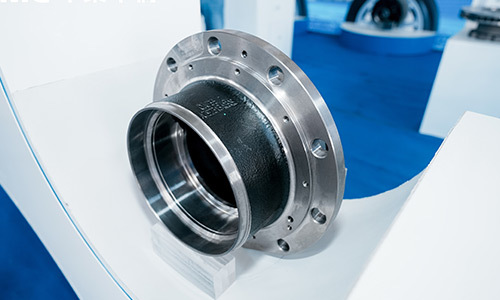
In the ever-evolving landscape of the automotive industry, the "Hub for commercial vehicle" has emerged as a critical component in the driving system, particularly concerning wheels, steel rims, and spokes. Understanding the significance of these hubs can help industry professionals appreciate their role in enhancing vehicle performance and safety.
A hub, in the context of commercial vehicles, serves as the central connection point for the wheel assembly. It is designed to host the wheel bearings, which allow for smooth rotation and help support the weight of the vehicle. The integrity of these hubs is paramount, as they are subjected to significant stress and strain during operation. This makes material selection and engineering design crucial for durability and reliability.
One of the most important aspects of a hub is its ability to facilitate efficient power transfer from the drivetrain to the wheels. This is particularly vital in commercial vehicles, which often carry heavy loads and operate under demanding conditions. Advanced engineering techniques, such as optimization of the hub's geometry and the use of high-strength materials, enhance the load-bearing capabilities and overall performance of the wheels.
Moreover, maintenance of wheel hubs can significantly influence vehicle safety and operational efficiency. Regular inspections and timely replacements of bearings are essential to ensure that the hubs function correctly. A worn or damaged hub can lead to uneven tire wear, decreased fuel efficiency, and even catastrophic failures during operation. Therefore, understanding when to service or replace these components is invaluable for fleet managers and vehicle operators.
In recent years, technology has played a transformative role in the development of hubs for commercial vehicles. The integration of smart sensors within hubs can provide real-time data on temperature, vibration, and load stress. This data not only aids in predictive maintenance but also enhances safety by alerting operators to potential issues before they escalate into major problems.
Furthermore, the design of hubs has become more streamlined, contributing to weight reduction in commercial vehicles. Lighter hubs can improve fuel economy and reduce the overall carbon footprint of the vehicle, aligning with the industry's push towards sustainability. With electric and hybrid commercial vehicles gaining traction, the role of the hub will continue to evolve as manufacturers seek to optimize performance in these new vehicle architectures.
In summary, the hub for commercial vehicles is a pivotal element that influences not only the driving system's efficiency but also the overall safety and sustainability of the fleet. By focusing on innovative designs and materials, along with proactive maintenance strategies, industry professionals can ensure that their vehicles operate at peak performance while meeting the demands of modern transportation. Understanding the importance of these hubs can lead to significant improvements in both operational efficiency and vehicle longevity.
In the ever-evolving landscape of the automotive industry, the "Hub for commercial vehicle" has emerged as a critical component in the driving system, particularly concerning wheels, steel rims, and spokes. Understanding the significance of these hubs can help industry professionals appreciate their role in enhancing vehicle performance and safety.
A hub, in the context of commercial vehicles, serves as the central connection point for the wheel assembly. It is designed to host the wheel bearings, which allow for smooth rotation and help support the weight of the vehicle. The integrity of these hubs is paramount, as they are subjected to significant stress and strain during operation. This makes material selection and engineering design crucial for durability and reliability.
One of the most important aspects of a hub is its ability to facilitate efficient power transfer from the drivetrain to the wheels. This is particularly vital in commercial vehicles, which often carry heavy loads and operate under demanding conditions. Advanced engineering techniques, such as optimization of the hub's geometry and the use of high-strength materials, enhance the load-bearing capabilities and overall performance of the wheels.
Moreover, maintenance of wheel hubs can significantly influence vehicle safety and operational efficiency. Regular inspections and timely replacements of bearings are essential to ensure that the hubs function correctly. A worn or damaged hub can lead to uneven tire wear, decreased fuel efficiency, and even catastrophic failures during operation. Therefore, understanding when to service or replace these components is invaluable for fleet managers and vehicle operators.
In recent years, technology has played a transformative role in the development of hubs for commercial vehicles. The integration of smart sensors within hubs can provide real-time data on temperature, vibration, and load stress. This data not only aids in predictive maintenance but also enhances safety by alerting operators to potential issues before they escalate into major problems.
Furthermore, the design of hubs has become more streamlined, contributing to weight reduction in commercial vehicles. Lighter hubs can improve fuel economy and reduce the overall carbon footprint of the vehicle, aligning with the industry's push towards sustainability. With electric and hybrid commercial vehicles gaining traction, the role of the hub will continue to evolve as manufacturers seek to optimize performance in these new vehicle architectures.
In summary, the hub for commercial vehicles is a pivotal element that influences not only the driving system's efficiency but also the overall safety and sustainability of the fleet. By focusing on innovative designs and materials, along with proactive maintenance strategies, industry professionals can ensure that their vehicles operate at peak performance while meeting the demands of modern transportation. Understanding the importance of these hubs can lead to significant improvements in both operational efficiency and vehicle longevity.
PREVIOUS:
Contact Us
E-mail:
Whatsapp:
Address:
West Section of Xuesong Road, Zhumadian City, Henan Province, China
News Update

Contact Us
Tel: +86-396-3678889 / 3678891
E-mail: cimchjzz@cimc.com
Address: West Section of Xuesong Road, Zhumadian City, Henan Province, China


Copyright © Zhumadian CIMC Huajun Casting Co., Ltd.
Powered by :www.300.cn Supported IPV6 Privacy Agreement