
-
User Center

-
Blog



The Essential Role of Hubs in Commercial Vehicle Performance
Jan 26,2026
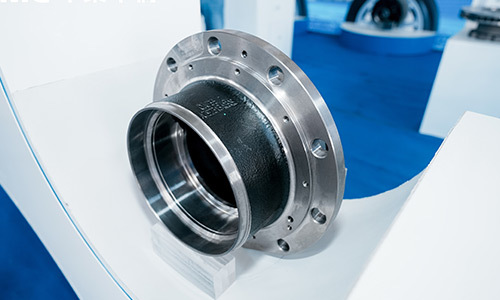
In the world of commercial vehicles, the hub is often an overlooked but critical component that plays a vital role in the overall performance and efficiency of the vehicle. Hubs are essentially the central part of the wheel assembly, connecting the wheel to the axle and playing a pivotal role in the vehicle's drive system. Understanding the function and importance of hubs can help fleet managers and vehicle operators maintain optimal performance, safety, and longevity of their commercial vehicles.
The primary function of a hub for commercial vehicles is to facilitate the rotation of the wheels. It houses the wheel bearings, which allow the wheel to spin with minimal friction. This is crucial for maintaining speed and fuel efficiency, as any resistance can lead to increased fuel consumption and wear on the vehicle's components. A well-maintained hub ensures that the wheels rotate smoothly, contributing to better handling and stability during operation.
Additionally, hubs play a significant role in load distribution. In commercial vehicles, which often carry heavy loads, the hub must support the weight and ensure that it is evenly distributed across the wheel assembly. This not only enhances safety but also decreases the likelihood of tire wear and damage. An imbalanced load can lead to premature failure of tires, suspension components, and even the hub itself, resulting in costly repairs and downtime.
Maintenance of the hub is critical for the overall health of the vehicle. Regular inspections can help identify potential issues such as wear and tear on the bearings or misalignment that could affect performance. Fleet operators should prioritize checking the hub and related components during scheduled maintenance to prevent any unexpected failures. Ensuring that the hub is properly lubricated and free from contaminants can significantly extend its lifespan, reducing long-term costs and increasing vehicle reliability.
Moreover, advancements in technology have led to the development of improved hub designs that enhance performance and reduce maintenance needs. These innovations can contribute to better fuel efficiency, lower emissions, and improved overall vehicle dynamics. As the commercial vehicle industry continues to evolve, staying informed about the latest trends and technologies related to hubs can provide operators with a competitive edge.
In conclusion, the hub for commercial vehicles is an essential component that should not be underestimated. Its role in facilitating wheel rotation, distributing loads, and maintaining vehicle stability is crucial for safety and efficiency. By prioritizing hub maintenance and staying updated on new developments, commercial vehicle operators can ensure optimal performance and extend the life of their vehicles, ultimately leading to a more productive operation.
The primary function of a hub for commercial vehicles is to facilitate the rotation of the wheels. It houses the wheel bearings, which allow the wheel to spin with minimal friction. This is crucial for maintaining speed and fuel efficiency, as any resistance can lead to increased fuel consumption and wear on the vehicle's components. A well-maintained hub ensures that the wheels rotate smoothly, contributing to better handling and stability during operation.
Additionally, hubs play a significant role in load distribution. In commercial vehicles, which often carry heavy loads, the hub must support the weight and ensure that it is evenly distributed across the wheel assembly. This not only enhances safety but also decreases the likelihood of tire wear and damage. An imbalanced load can lead to premature failure of tires, suspension components, and even the hub itself, resulting in costly repairs and downtime.
Maintenance of the hub is critical for the overall health of the vehicle. Regular inspections can help identify potential issues such as wear and tear on the bearings or misalignment that could affect performance. Fleet operators should prioritize checking the hub and related components during scheduled maintenance to prevent any unexpected failures. Ensuring that the hub is properly lubricated and free from contaminants can significantly extend its lifespan, reducing long-term costs and increasing vehicle reliability.
Moreover, advancements in technology have led to the development of improved hub designs that enhance performance and reduce maintenance needs. These innovations can contribute to better fuel efficiency, lower emissions, and improved overall vehicle dynamics. As the commercial vehicle industry continues to evolve, staying informed about the latest trends and technologies related to hubs can provide operators with a competitive edge.
In conclusion, the hub for commercial vehicles is an essential component that should not be underestimated. Its role in facilitating wheel rotation, distributing loads, and maintaining vehicle stability is crucial for safety and efficiency. By prioritizing hub maintenance and staying updated on new developments, commercial vehicle operators can ensure optimal performance and extend the life of their vehicles, ultimately leading to a more productive operation.
Contact Us
E-mail:
Whatsapp:
Address:
West Section of Xuesong Road, Zhumadian City, Henan Province, China
News Update

Contact Us
Tel: +86-396-3678889 / 3678891
E-mail: cimchjzz@cimc.com
Address: West Section of Xuesong Road, Zhumadian City, Henan Province, China


Copyright © Zhumadian CIMC Huajun Casting Co., Ltd.
Powered by :www.300.cn Supported IPV6 Privacy Agreement