
-
User Center

-
Blog



The Ultimate Guide to Semi-Trailer & Commercial Truck Wheel Hubs: Types, Maintenance & Performance Optimization
Oct 30,2026
The wheel hub is one of the most critical yet often overlooked components in semi-trailer and commercial truck operations. As the bridge between the axle and the wheel assembly, it bears immense loads while enabling smooth rotation at highway speeds. Understanding wheel hub technology, maintenance, and selection criteria can significantly improve fleet safety and reduce costly downtime. 
What Is a Truck Wheel Hub and Why Does It Matter?
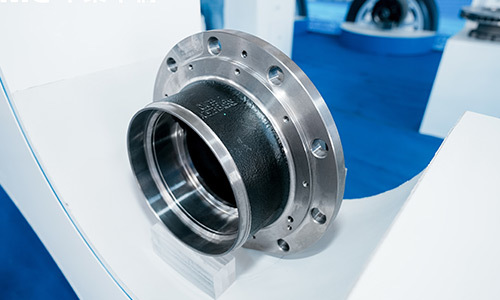
A truck wheel hub is the central rotating component that connects the wheel to the axle assembly. It houses the wheel bearings, supports the vehicle's weight, and transfers driving and braking forces. In commercial trucking, a failed wheel hub can lead to catastrophic breakdowns, cargo delays, and serious safety hazards on the road.
Common Types of Commercial Truck Wheel Hubs
1. Unitized Hub Assemblies
Modern unitized (or cartridge-style) hubs come pre-assembled, pre-lubricated, and sealed from the factory. They require no adjustment and are the standard choice for most new semi-trailers and heavy-duty trucks, offering extended service life with minimal maintenance.
2. Conventional (Tapered Roller Bearing) Hubs
Traditional hub designs use separate tapered roller bearings and races that require periodic adjustment and repacking. While still widely used in older fleets, they demand more frequent servicing but offer the advantage of individual component replacement.
3. Aluminum vs. Steel Hub Configurations
Aluminum wheel hubs are increasingly popular in commercial fleets due to their significant weight savings — reducing unsprung mass improves fuel efficiency and payload capacity. Steel hubs remain the cost-effective choice for heavy-load and severe-duty applications.
Key Wheel Hub Failure Causes and How to Prevent Them
- Bearing Wear: The #1 cause of hub failure. Regular inspection and proper lubrication intervals are essential.
- Seal Failure: Damaged or worn seals allow contaminants and moisture to enter the hub assembly, accelerating bearing degradation.
- Improper Torque: Over-torquing or under-torquing lug nuts can distort the hub flange, leading to uneven wear and potential wheel detachment.
- Corrosion: Road salt, water exposure, and harsh environments accelerate corrosion. Anti-corrosion coatings and regular cleaning help mitigate this risk.
- Heat Damage: Excessive brake heat can transfer to the hub, degrading bearing grease and causing premature failure. Proper brake maintenance is critical.
Wheel Hub Maintenance Best Practices for Fleet Operators
Implementing a structured maintenance program can dramatically extend wheel hub service life:
- Regular Inspections: Check for abnormal noise, vibration, excessive play, or heat at each wheel position during routine service intervals.
- Lubrication Management: Follow OEM-recommended lubrication schedules. Use high-quality synthetic greases designed for high-temperature, high-load commercial applications.
- Seal Replacement: Replace hub seals during every brake service or bearing repack to prevent contamination.
- Torque Verification: Always use a calibrated torque wrench when installing wheels. Re-check torque after the first 50–100 miles of service.
- Thermal Imaging: Use infrared thermography during pre-trip inspections to identify overheating hubs before they fail.
Choosing the Right Wheel Hub for Your Fleet
When selecting wheel hubs for semi-trailers and commercial trucks, consider:
- OEM Compatibility: Ensure proper fitment with your axle brand (Meritor, SAF-Holland, BPW, etc.).
- Load Rating: Match the hub's load capacity to your vehicle's GVWR and typical payload.
- Service Environment: Off-road, coastal, or winter-road conditions may require specialized seals and coatings.
- Total Cost of Ownership: Premium hub assemblies may cost more upfront but often deliver lower lifetime costs through extended service intervals and fewer roadside failures.
Final Thoughts
The wheel hub may be a small component relative to the entire truck, but its performance directly impacts safety, fuel economy, and operational efficiency. By understanding hub types, recognizing failure signs early, and implementing disciplined maintenance practices, fleet operators can minimize unexpected breakdowns and keep their commercial trucks rolling reliably mile after mile.
PREVIOUS:
Contact Us
E-mail:
Whatsapp:
Address:
West Section of Xuesong Road, Zhumadian City, Henan Province, China
News Update

Contact Us
Tel: +86-396-3678889 / 3678891
E-mail: cimchjzz@cimc.com
Address: West Section of Xuesong Road, Zhumadian City, Henan Province, China


Copyright © Zhumadian CIMC Huajun Casting Co., Ltd.
Powered by :www.300.cn Supported IPV6 Privacy Agreement