
-
User Center

-
Blog

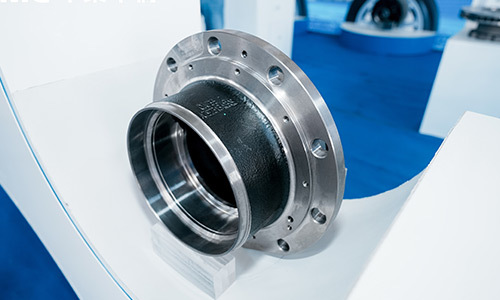



Heavy Truck Wheel Hub: The Backbone of Modern Freight Transport
Dec 24,2025
In the fast-paced world of logistics and freight transport, the Heavy Truck Wheel Hub plays an indispensable role in ensuring vehicle safety, efficiency, and durability. As a central component connecting the truck’s wheel to its axle, the wheel hub is critical for smooth rotation, load-bearing capacity, and overall stability. Heavy trucks operate under extreme conditions, carrying tons of cargo across highways, rough terrains, and urban roads, making the design and reliability of wheel hubs a top priority for manufacturers and fleet operators alike.
A Heavy Truck Wheel Hub is not merely a mechanical connection; it is a sophisticated assembly engineered to endure high loads, vibrations, and continuous stress. Constructed from high-strength steel, alloy, or composite materials, modern wheel hubs offer superior durability and resistance to corrosion, fatigue, and wear. Many designs incorporate integrated bearings, seals, and mounting flanges, streamlining installation and minimizing maintenance requirements. These features ensure that the wheel rotates smoothly, distributing weight evenly across the axle and improving tire longevity and vehicle handling.
The performance of a heavy truck heavily depends on the reliability of its wheel hubs. Any failure in the hub assembly can result in catastrophic consequences, including wheel wobble, uneven tire wear, brake issues, or even complete axle detachment. Therefore, manufacturers adhere to stringent quality control standards, testing each wheel hub for dimensional accuracy, load tolerance, heat resistance, and vibration performance. Advanced production techniques, such as CNC machining and precision heat treatment, further enhance the strength and longevity of wheel hubs.
Maintenance practices are equally important for ensuring the long-term performance of heavy truck wheel hubs. Regular inspection of bearings, seals, and lubrication systems prevents premature wear and reduces the risk of mechanical failure. Fleet operators are increasingly adopting predictive maintenance strategies, using sensors and monitoring systems to track hub temperature, vibration, and rotational performance in real time. This proactive approach minimizes downtime, improves safety, and reduces operational costs, which is particularly crucial for logistics companies managing large fleets and tight delivery schedules.
The global demand for high-quality heavy truck wheel hubs continues to rise, driven by the growth of e-commerce, long-distance freight transport, and industrial supply chains. Manufacturers are innovating by introducing lightweight yet durable materials, corrosion-resistant coatings, and improved bearing designs. Some advanced hubs feature modular assemblies, allowing for easy replacement of worn components without removing the entire hub, enhancing efficiency and sustainability. These innovations not only extend the service life of wheel hubs but also contribute to overall vehicle fuel efficiency and reduced environmental impact.
In addition to technical performance, heavy truck wheel hubs also influence vehicle safety regulations and standards. Regulatory bodies across North America, Europe, and Asia have established strict guidelines for load rating, rotational stability, and bearing durability. Compliance with these standards is essential for manufacturers to ensure the reliability of trucks used in commercial freight and public transportation. Moreover, wheel hub innovations are integral to the development of electric and hybrid heavy trucks, where precise torque management and weight distribution are critical for energy efficiency and vehicle control.
Beyond industrial applications, heavy truck wheel hubs are gaining attention in the aftermarket sector. Fleet operators and logistics companies are seeking high-performance replacement hubs that match or exceed original equipment specifications. Reliable aftermarket hubs help maintain fleet safety, reduce maintenance downtime, and improve operational productivity. With the growing adoption of telematics and connected vehicle technologies, wheel hub monitoring is becoming more sophisticated, allowing operators to predict wear patterns and schedule timely replacements, ultimately optimizing fleet management.
In conclusion, the Heavy Truck Wheel Hub is a vital component underpinning modern freight transportation. Its design, material quality, and maintenance practices directly affect truck safety, efficiency, and longevity. As technology advances, the integration of durable materials, advanced bearings, predictive monitoring, and modular designs continues to redefine industry standards. For logistics companies, manufacturers, and fleet operators, investing in high-quality wheel hubs is not just a matter of compliance, but a strategic decision that ensures the smooth, reliable, and cost-effective operation of heavy trucks across the globe. The evolution of the wheel hub exemplifies how a seemingly small component can have a profound impact on transportation safety, efficiency, and innovation in the modern era.
Contact Us
E-mail:
Whatsapp:
Address:
West Section of Xuesong Road, Zhumadian City, Henan Province, China
News Update

Contact Us
Tel: +86-396-3678889 / 3678891
E-mail: cimchjzz@cimc.com
Address: West Section of Xuesong Road, Zhumadian City, Henan Province, China


Copyright © Zhumadian CIMC Huajun Casting Co., Ltd.
Powered by :www.300.cn Supported IPV6 Privacy Agreement