
-
User Center

-
Blog

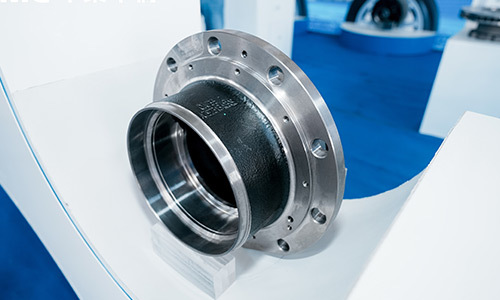


Understanding the Importance of a Rear Wheel Hub in Heavy Trucks
Jan 05,2026
Understanding the Importance of a Rear Wheel Hub in Heavy Trucks
Heavy trucks are the backbone of many industries, transporting goods across vast distances. With such a demanding role, every component must operate flawlessly. One critical element that often goes unnoticed is the rear wheel hub. This article explores why understanding and maintaining the rear wheel hub is essential for truck owners and operators.
What is a Rear Wheel Hub?
At its core, the rear wheel hub is a central part of a truck's wheel assembly. It connects the wheel to the axle, providing the necessary support for the vehicle's weight while ensuring smooth rotation. The hub contains bearings that allow the wheel to spin freely and efficiently.
Components of a Rear Wheel Hub
To appreciate the importance of the rear wheel hub, it is essential to understand its components:
- **Hub Assembly**: This includes the wheel hub itself, along with the mounting surface for the brake rotor.
- **Bearings**: These are precision-engineered components that reduce friction between the wheel and the axle, allowing for smooth operation.
- **Seal**: This component prevents dirt and moisture from entering the hub and damaging the bearings.
- **Spindle**: The spindle connects the hub to the axle.
How the Rear Wheel Hub Functions
The rear wheel hub functions as a pivot point for the wheels, enabling them to rotate around the axle. When the truck moves, the engine's power is transmitted through the driveshaft to the rear axle, which engages the wheel hubs. As the wheels turn, the bearings within the hub facilitate smooth motion, allowing the truck to accelerate and maintain speed efficiently.
The Role of the Rear Wheel Hub in Heavy Truck Performance
The performance of heavy trucks relies heavily on the efficiency of their rear wheel hubs. A properly functioning hub ensures that the wheels rotate smoothly, which directly impacts:
- **Fuel Efficiency**: When wheel hubs operate optimally, vehicles experience less resistance, leading to better fuel economy.
- **Handling and Stability**: The hub's design contributes to the overall stability of the truck, allowing for better handling, especially during turns and heavy braking.
- **Load Distribution**: The hub helps distribute the truck's weight evenly, preventing undue stress on any one area and extending the lifespan of tires and suspension components.
Common Issues with Rear Wheel Hubs
Understanding potential issues with rear wheel hubs can help prevent costly repairs and ensure safe operation.
Wear and Tear
Over time, the components of the rear wheel hub may experience wear and tear due to constant friction and exposure to elements. This deterioration can lead to:
- **Increased Friction**: Worn bearings can generate excessive heat, leading to potential hub failure.
- **Vibration**: An imbalanced or damaged hub can cause vibrations, affecting driving comfort and control.
Sealing Failures
The seals in a rear wheel hub are crucial for keeping contaminants out. When seals fail, dirt and moisture can enter the hub, leading to:
- **Bearing Damage**: Contaminants can accelerate the wear of bearings, necessitating early replacement.
- **Rust and Corrosion**: Moisture can lead to rust development, further compromising hub integrity.
Improper Installation
Incorrect installation of the rear wheel hub can result in:
- **Alignment Issues**: A misaligned hub can lead to uneven tire wear and handling problems.
- **Bearing Overloading**: If not installed correctly, the bearings can become overloaded, leading to premature failure.
Signs of a Failing Rear Wheel Hub
Being able to identify the signs of a failing rear wheel hub can save truck operators from severe performance issues. Common symptoms include:
- **Unusual Noises**: Grinding or humming noises while driving may indicate bearing issues.
- **Vibrations**: Notable vibrations or shaking in the steering wheel can suggest that the hub is not functioning correctly.
- **Uneven Tire Wear**: If tires wear unevenly, it might signal problems with the hub's alignment or balance.
The Importance of Regular Maintenance
Regular maintenance of the rear wheel hub helps ensure longevity and reliable performance. Key maintenance practices include:
Inspection
Routine inspections of the rear wheel hubs should be part of a comprehensive vehicle maintenance plan. Look for:
- **Cracks or Damage**: Check for visible damage to the hub assembly.
- **Free Movement**: Ensure that the wheel spins freely without excessive resistance.
Lubrication
Keeping the bearings properly lubricated is crucial for optimal performance. Regularly check and replace grease as needed.
Seal Replacement
Inspect seals for wear and replace them promptly to prevent contamination of the hub's interior.
Choosing the Right Rear Wheel Hub for Your Truck
When it comes time to replace a rear wheel hub, choosing the right one is paramount. Factors to consider include:
- **Compatibility**: Ensure the hub fits your truck's make and model.
- **Quality**: Opt for high-quality components to ensure durability and performance.
- **Manufacturer Reputation**: Research and select trusted manufacturers known for their reliability.
Conclusion
Understanding the importance of a rear wheel hub in heavy trucks is critical for any owner or operator. This vital component plays a significant role in performance, fuel efficiency, and safety. By recognizing the signs of hub issues and adhering to regular maintenance practices, truck operators can ensure their vehicles remain in peak condition. Investing time and resources in the upkeep of rear wheel hubs ultimately leads to a more efficient, reliable, and safer heavy truck.
FAQs
1. What factors lead to rear wheel hub failure?
Factors include improper installation, lack of maintenance, and exposure to contaminants.
2. How often should I inspect my rear wheel hub?
It is advisable to inspect your rear wheel hub at least every 6,000 to 10,000 miles or during regular maintenance checks.
3. Can a bad rear wheel hub affect fuel efficiency?
Yes, a malfunctioning hub can increase friction, leading to lower fuel efficiency.
4. How do I know if my hub bearings need replacing?
Listen for unusual noises and check for vibrations while driving, as these can indicate bearing issues.
5. What should I do if I suspect a problem with my rear wheel hub?
If you suspect an issue, it is critical to have your truck inspected by a qualified mechanic as soon as possible to avoid further damage.
PREVIOUS:
Contact Us
E-mail:
Whatsapp:
Address:
West Section of Xuesong Road, Zhumadian City, Henan Province, China
News Update

Contact Us
Tel: +86-396-3678889 / 3678891
E-mail: cimchjzz@cimc.com
Address: West Section of Xuesong Road, Zhumadian City, Henan Province, China


Copyright © Zhumadian CIMC Huajun Casting Co., Ltd.
Powered by :www.300.cn Supported IPV6 Privacy Agreement