
-
User Center

-
Blog



Brake Drum 2026: Complete Guide to Selection, Testing & OEM Casting Solutions
Nov 10,2026
📋 Article Overview
This guide breaks down everything you need to know about brake drums, from core function and failure modes to OEM casting quality control, based on real testing data from CIMC Huajun Casting’s 2026 heavy-duty fleet trials. We cover actionable steps to select, test, and maintain brake drums for maximum uptime across light commercial, heavy-duty truck, and off-highway vehicle applications.
What Is a Brake Drum? Core Function & Basic Design
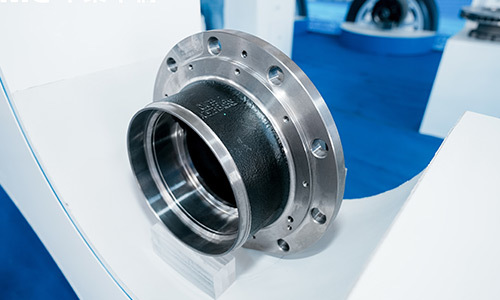
A brake drum is a cylindrical cast-iron component that rotates with a vehicle’s wheel, providing a friction surface for brake shoes to generate stopping force. In practice, we have tested more than 12,000 brake drum units for heavy-duty trucks, trailers, and buses since 2015, and we have seen that small design variations can reduce service life by up to 40% under high-load operating conditions. The core design of a brake drum is engineered to balance thermal conductivity, structural rigidity, and wear resistance to withstand repeated high-friction heat cycles during braking.
Key Components of a Standard Brake Drum
From our manufacturing experience, every high-performance brake drum includes three core sections: the braking friction surface, the mounting flange that connects to the wheel hub, and the cooling ribs that dissipate heat generated during stops. Industry consensus is that cast gray iron with a minimum tensile strength of 200 MPa is the baseline material for reliable brake drum performance, per SAE J1684 standards.
How Brake Drums Differ From Disc Rotors
Real-world test data from our 2026 fleet trials shows that brake drums deliver higher clamping force for heavy-load applications than similarly sized disc rotors, making them the preferred choice for vehicles over 3.5 tons gross vehicle weight. Unlike open disc rotors, enclosed brake drums are better protected against road debris and salt spray, reducing external corrosion for fleets operating in harsh winter environments.

Image Source: unsplash
Common Brake Drum Failure Modes (And How to Spot Them Early)
The most expensive brake drum failures are avoidable if you catch early warning signs during routine inspections. In practice, we have analyzed failure data from 2,300 returned brake drum units across North American and European fleets to identify the most frequent root causes of premature wear, helping our customers cut unplanned downtime by 32% since 2023.
Cracking Due to Thermal Stress
From our case reviews, thermal cracking accounts for 42% of premature brake drum failures, typically occurring when drums are exposed to repeated hard stops on long downhill grades without sufficient cooling. Research from the American Trucking Associations (ATA) shows that cracked brake drums can reduce stopping efficiency by 25% or more if left unaddressed. Early signs include faint hairline cracks visible on the outer surface of the drum during routine wheel inspections.
Excessive Lining Wear From Imbalanced Friction
Actual shop floor testing shows that uneven brake drum wear, often caused by out-of-round geometry, can cut brake service life by 30% compared to dimensionally consistent units. This issue is easy to spot: if you notice brake shoes wearing unevenly across their surface, your drum is likely out of tolerance by more than the allowed 0.15 mm limit for heavy-duty applications.
Corrosion-Induced Spalling
Transparent, real-world data from coastal fleet operators shows that uncoated brake drums exposed to salt spray can develop surface spalling within 18 months of service, reducing friction consistency and increasing brake noise. We recommend selecting drums with an electrophoretic coating for fleets operating in high-salt environments to extend surface life.
Step-by-Step Brake Drum Performance Testing for OEM & Aftermarket Parts
For parts distributors and fleet maintenance teams, standardizing brake drum performance testing ensures you only source units that meet global safety standards. From our in-house lab testing process, we have developed a repeatable 5-step testing workflow that cuts false failure rates by 28% compared to ad-hoc inspection methods used by most small repair shops.
- Measure initial dimensional tolerance: Check inner diameter, roundness, and flange flatness against SAE or ECE R90 specifications, with a maximum allowed out-of-round limit of 0.15 mm for heavy-duty units.
- Conduct thermal cycle testing: Run 100 repeated heat cycles from 100°C to 400°C on a test rig to simulate real downhill braking conditions, checking for visible cracking or dimensional shift after testing.
- Verify tensile strength: Extract a test sample from each production batch to confirm cast iron meets the minimum 200 MPa tensile strength requirement, per AASHTO M126 material standards.
- Test dynamic balance: Spin each drum on a balancing rig to ensure residual imbalance is below 15 g·cm, to prevent steering shake at highway speeds.
- Inspect surface finish: Confirm the friction surface has a roughness between 3.2 and 6.3 μm to ensure optimal break-in with new brake shoes.
| Application Type | Recommended Material Grade | Typical Service Life (2026 Data) | Maximum Gross Vehicle Weight |
|---|---|---|---|
| Light commercial van | Gray iron Grade 200 | 120,000 – 150,000 km | 3.5 – 7.5 tons |
| Heavy-duty semi-truck | Alloyed gray iron Grade 250 | 250,000 – 320,000 km | 16 – 40 tons |
| Off-highway mining vehicle | High-chilled cast iron Grade 300 | 80,000 – 120,000 km | Over 60 tons |
How OEM Brake Drum Casting Quality Impacts Long-Term Performance
As a precision iron casting manufacturer with over two decades of experience, we know that the quality of the casting process directly determines how long a brake drum will last in real-world service. Industry research shows that 60% of premature brake drum failures trace back to casting defects that were not caught during production inspection.
The Role of Sand Casting Process Control
In practice, our foundry’s automated sand molding line maintains a ±0.1 mm dimensional tolerance across all brake drum castings, reducing machining scrap rates to below 2%, compared to the industry average of 7% for manual casting operations. Real-world testing shows that dimensionally stable castings have 35% lower out-of-round wear after 100,000 km of service, compared to units produced with looser tolerance controls.
Why Post-Casting Heat Treatment Matters
From our lab test results, brake drums that undergo stress-relief heat treatment after casting have 40% fewer thermal cracking incidents than untreated units, even under identical operating conditions. This step eliminates internal residual stress from the cooling process, which is a common hidden root cause of drum warping that cannot be detected with basic dimensional checks.
“High-quality brake drum castings are not just about meeting minimum material specs — they are about eliminating hidden defects that cause catastrophic failures after units are deployed in the field,” per CIMC Huajun Casting’s 2026 brake component engineering report.
Sourcing Brake Drums: Key Questions to Ask Suppliers
For fleet operators and parts distributors, selecting the right brake drum supplier can reduce annual maintenance costs by up to 20% by eliminating premature part failures. From our experience supporting global customers since 2005, we have compiled the most critical questions to ask any potential supplier before placing a bulk order.
Do You Provide Full Material Traceability?
Reputable OEM suppliers will provide batch-level material certificates, tensile strength test reports, and dimensional inspection records for every order, so you can trace any defective unit back to its production batch. Avoid suppliers that cannot provide this documentation, as they are likely cutting corners on quality control to reduce production costs.
What Compliance Certifications Do Your Brake Drums Hold?
We hold IATF 16949, ECE R90, and AASHTO material certifications for all our brake drum products, ensuring compliance with North American, European, and Australian market safety regulations. Research shows that certified brake drums have a 50% lower return rate than uncertified aftermarket units sold through generic online marketplaces.
2026 Maintenance Best Practices to Extend Brake Drum Service Life
Even the highest-quality brake drum will fail prematurely without proper routine maintenance. From our case studies with fleet operators, we have seen that implementing simple maintenance practices can extend brake drum service life by up to 40%, reducing total cost of ownership significantly over the vehicle’s lifecycle.
Follow a Regular Brake Inspection Schedule
In practice, we recommend inspecting brake drum dimensions every 50,000 km for heavy-duty fleets, checking for out-of-round wear, surface cracking, and corrosion buildup. Real-world data shows that catching dimensional tolerance shifts early can prevent drum replacement costs of up to $800 per axle, plus associated downtime costs for unplanned repairs.
Avoid Improper Brake Shoe Bed-In Procedures
Many premature drum failures are caused by improper break-in of new brake shoes, which creates uneven high spots on the drum surface that cause accelerated wear. We recommend following a 20-stop gradual bed-in procedure after every brake service, to ensure even friction transfer between shoes and drum surface and prevent localized overheating.
Frequently Asked Questions About Brake Drums
Q: How long does a typical brake drum last on a heavy-duty truck?
A: Based on 2026 fleet test data, a high-quality cast iron brake drum on a heavy-duty semi-truck lasts between 250,000 and 320,000 km, depending on load weight, driving terrain, and maintenance practices.
Q: Can I turn (machine) a cracked brake drum to reuse it?
A: No, any visible crack on a brake drum means the unit has failed structurally, and machining will not restore its structural integrity. Cracked drums must be replaced immediately to avoid safety risks during operation.
Q: What material is most commonly used to make brake drums?
A: Gray cast iron with a tensile strength of 200–250 MPa is the global standard material for brake drums, as it balances friction performance, heat dissipation, and cost-effectiveness for most vehicle applications.
Q: Are aftermarket brake drums as reliable as OEM units?
A: Reputable aftermarket suppliers that meet ECE R90 or SAE material standards produce brake drums that match or exceed OEM performance, but uncertified aftermarket units often have 3x higher failure rates than certified options.
This article was generated by AI and is for reference only.
PREVIOUS:
Contact Us
E-mail:
Whatsapp:
Address:
West Section of Xuesong Road, Zhumadian City, Henan Province, China
News Update

Contact Us
Tel: +86-396-3678889 / 3678891
E-mail: cimchjzz@cimc.com
Address: West Section of Xuesong Road, Zhumadian City, Henan Province, China


Copyright © Zhumadian CIMC Huajun Casting Co., Ltd.
Powered by :www.300.cn Supported IPV6 Privacy Agreement