
-
User Center

-
Blog

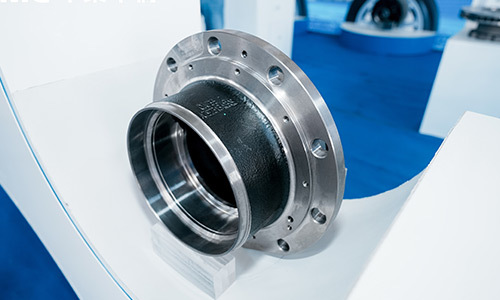



Innovations in Heavy Truck Wheel Hub Technology: A Deep Dive
May 15,2026
Innovations in Heavy Truck Wheel Hub Technology: A Deep Dive
Table of Contents
- 1. Introduction to Heavy Truck Wheel Hub Technology
- 2. Importance of Advanced Wheel Hub Systems
- 3. Material Innovations in Wheel Hubs
- 4. Design Advancements in Heavy Truck Wheel Hubs
- 5. Performance Improvements in Wheel Hubs
- 6. Safety Standards in Wheel Hub Manufacturing
- 7. Sustainability in Heavy Truck Wheel Hub Technology
- 8. Future Trends in Wheel Hub Technology
- 9. Frequently Asked Questions
- 10. Conclusion
1. Introduction to Heavy Truck Wheel Hub Technology
Heavy trucks are the backbone of the logistics and transportation industry. Their wheel hub systems play a crucial role in ensuring vehicle performance, safety, and efficiency. Wheel hubs facilitate the connection between the wheels and the truck's axle, making them critical components for effective vehicle operation. Recent advancements in **wheel hub technology** have led to significant improvements, redefining what is possible in terms of durability, weight, and overall vehicle dynamics.
2. Importance of Advanced Wheel Hub Systems
Advanced wheel hub systems are essential for several reasons:
- **Load Distribution:** Efficient load distribution is vital for heavy trucks that carry substantial payloads. Modern wheel hub designs optimize weight distribution, thus enhancing stability.
- **Performance Efficiency:** Innovations contribute to lower rolling resistance, leading to improved fuel efficiency—an important factor in reducing operational costs.
- **Durability and Longevity:** Advanced materials and designs extend the service life of wheel hubs, minimizing maintenance costs and vehicle downtime.
- **Safety:** Improved wheel hub technology enhances braking performance and overall vehicle safety, crucial in the transportation sector.
Understanding these aspects lays the foundation for exploring the cutting-edge innovations in wheel hub technology.
3. Material Innovations in Wheel Hubs
The materials used in the manufacturing of heavy truck wheel hubs are undergoing a transformative change. Traditional metals like steel and aluminum are being supplemented or replaced by advanced composites and alloys. Here are some noteworthy developments:
3.1 Lightweight Alloys
The introduction of lightweight aluminum alloys has been a game-changer. These materials offer the same strength as traditional steel but at a significantly reduced weight. This weight reduction leads to better fuel efficiency and lower emissions, making them environmentally friendly options for modern trucking.
3.2 Composite Materials
Composite materials, specifically carbon fiber reinforced polymers (CFRP), are gaining traction due to their exceptional strength-to-weight ratios. These materials not only reduce weight but also enhance resistance to corrosion, resulting in longer-lasting wheel hubs that require less maintenance.
3.3 Advanced Coatings
The application of advanced coatings has also improved the durability of wheel hubs. Protective coatings, such as ceramic or polymer-based finishes, provide resistance against wear and tear, ensuring that wheel hubs operate efficiently even in harsh conditions.
4. Design Advancements in Heavy Truck Wheel Hubs
Design innovations play a pivotal role in enhancing wheel hub functionality. The following features exemplify how design advancements are transforming wheel hub technology:
4.1 Modular Designs
Modular design concepts allow for easier assembly and disassembly of wheel hubs. This facilitates quicker maintenance and repair processes, reducing vehicle downtime significantly. Modular systems can also be tailored to meet specific performance metrics, offering greater flexibility for fleet operators.
4.2 Aerodynamic Shapes
Aerodynamics is another crucial factor in wheel hub design. Optimizing the hub shape can significantly reduce drag, improving fuel efficiency during transit. Manufacturers are increasingly focusing on creating designs that not only perform well but also contribute to overall vehicle aerodynamics.
4.3 Integrated Sensors
The integration of smart technology into wheel hubs is on the rise. Sensors that monitor temperature, pressure, and wear in real-time can alert drivers and fleet managers to potential issues before they lead to failures. This predictive maintenance approach enhances safety and can ultimately save money.
5. Performance Improvements in Wheel Hubs
Performance is at the heart of wheel hub technology. The latest innovations contribute to enhanced performance in several key areas:
5.1 Reduced Friction
The development of advanced bearing technologies has led to reductions in friction within wheel hubs. Lower friction means less heat generation, reduced wear on components, and improved overall efficiency.
5.2 Enhanced Load Capacity
Modern wheel hub designs can handle heavier loads without compromising safety. This capability is particularly beneficial for trucks that operate in demanding environments, such as construction sites or heavy freight transport.
5.3 Improved Braking Systems
Innovations in braking systems, integrated with wheel hub technology, have resulted in enhanced stopping power. Adaptive braking systems that adjust to different loads and conditions improve safety and control, making them essential for heavy-duty trucks.
6. Safety Standards in Wheel Hub Manufacturing
Safety is paramount in the trucking industry, and wheel hub technology is no exception. Adhering to strict safety standards is crucial for manufacturers. Here are some safety guidelines that are shaping the industry:
6.1 ISO Certifications
Manufacturers are increasingly seeking ISO certification to demonstrate compliance with international safety and quality standards. Such certifications assure fleet operators of the reliability and safety of their wheel hubs.
6.2 Testing Protocols
Rigorous testing protocols, including fatigue testing and load testing, have become standard practice in the industry. These tests help ensure that wheel hubs can withstand the harsh conditions they will face during operation.
6.3 Industry Regulations
Government regulations regarding vehicle safety are continually evolving. Manufacturers must stay ahead of these changes by incorporating safety features into their designs and ensuring compliance with new regulations.
7. Sustainability in Heavy Truck Wheel Hub Technology
As environmental concerns become more pressing, sustainability in manufacturing practices has gained prominence. The wheel hub sector is no exception, with several innovative strategies emerging:
7.1 Recycling Programs
Many manufacturers are implementing recycling programs for old wheel hubs and materials. This not only reduces waste but also helps in sourcing materials for new products, making the entire manufacturing process more sustainable.
7.2 Eco-Friendly Materials
The use of eco-friendly materials is becoming a priority. Manufacturers are exploring biodegradable composites and sustainably sourced metals that minimize environmental impact.
7.3 Energy-Efficient Production Methods
Energy-efficient manufacturing processes contribute to lower carbon footprints. Utilizing renewable energy sources in production facilities is becoming increasingly common, aligning with global sustainability goals.
8. Future Trends in Wheel Hub Technology
The future of heavy truck wheel hub technology is bright, with several trends shaping its evolution:
8.1 Electrification
With the rise of electric vehicles, wheel hub technology will likely adapt to support electric drivetrains. This includes rethinking designs to accommodate electric motors and batteries within the hub structure.
8.2 Smart Wheel Hubs
The trend towards smart vehicles will extend to wheel hubs. Expect to see more integrated technology that allows for data collection on performance, wear, and maintenance needs, enhancing operational efficiency.
8.3 Autonomous Driving Compatibility
As autonomous trucking becomes more feasible, wheel hub technology will need to evolve. Designing hubs that support autonomous systems will be crucial, from integrating sensors to ensuring compatibility with advanced control systems.
9. Frequently Asked Questions
9.1 What are the main functions of a wheel hub?
Wheel hubs connect the wheel to the axle, allowing for rotation and ensuring that the vehicle can bear weight effectively during operation.
9.2 How do advanced materials affect wheel hub performance?
Advanced materials reduce weight and enhance strength, contributing to improved fuel efficiency and decreased maintenance needs.
9.3 What innovations are enhancing wheel hub safety?
Innovations include integrated sensors for monitoring conditions, improved braking systems, and adherence to stringent safety standards.
9.4 How can fleet managers benefit from modern wheel hub technology?
Modern wheel hubs enhance efficiency, reduce downtime through improved durability, and increase safety, all of which contribute to lower operating costs.
9.5 What future trends should the industry watch for?
Future trends include electrification, smart wheel hubs, and compatibility with autonomous driving technologies, which will all enhance vehicle performance and efficiency.
10. Conclusion
The landscape of heavy truck wheel hub technology is rapidly evolving, driven by innovations in materials, design, performance, and sustainability. As the industry continues to prioritize safety and efficiency, these advancements pave the way for smarter, more reliable, and environmentally friendly trucking solutions. Manufacturers, fleet operators, and industry professionals must stay informed about these innovations to leverage their benefits fully and contribute to a more efficient and sustainable future in transportation. By embracing these technological advancements, we can lead the charge toward a new era of heavy truck performance, safety, and environmental responsibility.
Contact Us
E-mail:
Whatsapp:
Address:
West Section of Xuesong Road, Zhumadian City, Henan Province, China
News Update

Contact Us
Tel: +86-396-3678889 / 3678891
E-mail: cimchjzz@cimc.com
Address: West Section of Xuesong Road, Zhumadian City, Henan Province, China


Copyright © Zhumadian CIMC Huajun Casting Co., Ltd.
Powered by :www.300.cn Supported IPV6 Privacy Agreement