
-
User Center

-
Blog

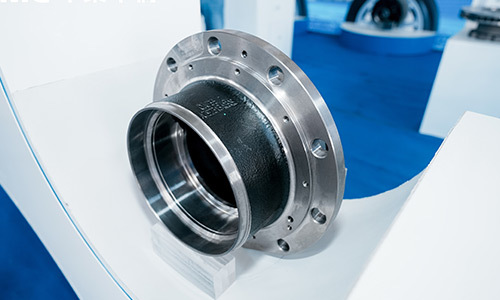


Vermicular Graphite Brake Drums: Performance Without Compromise
Feb 24,2026
Vermicular Graphite Brake Drums: Performance Without Compromise
In the world of automotive braking systems, vermicular graphite brake drums represent a groundbreaking advancement that promises to deliver exceptional performance and reliability. This article dives deep into the intricacies of these innovative components, exploring their advantages, engineering specifications, and the reasons they are becoming the go-to choice for both manufacturers and consumers alike.
Understanding Vermicular Graphite: The Material Behind the Magic
Vermicular graphite, also known as spheroidal graphite or nodular graphite, is a unique form of cast iron that possesses remarkable mechanical properties. Unlike traditional gray cast iron, vermicular graphite features a structure where the carbon is arranged in a spiral form, enhancing its strength and ductility. This innovative material allows for:
- Enhanced Fracture Toughness: The unique structure absorbs shocks and resists cracking, making it ideal for high-stress automotive applications.
- Improved Wear Resistance: Vermicular graphite offers superior wear characteristics compared to conventional brake drum materials, resulting in longer service life.
- High Thermal Conductivity: This property helps dissipate heat quickly, reducing the risk of brake fade during intense driving conditions.
Benefits of Vermicular Graphite Brake Drums
Implementing vermicular graphite in brake drum manufacturing provides several key advantages:
1. Superior Performance in Extreme Conditions
Vermicular graphite brake drums excel in scenarios that demand high performance. Whether on a steep hill or during sudden stops, these drums maintain their integrity under extreme heat and pressure, offering drivers peace of mind.
2. Longevity and Cost-Efficiency
While the initial investment in vermicular graphite brake drums may be higher, their long lifespan and reduced maintenance costs make them a more economical choice in the long run. Less frequent replacements mean fewer interruptions to driving routines and lower overall costs.
3. Environmentally Friendly Manufacturing
The production process for vermicular graphite components generates less waste and utilizes recyclable materials. By choosing these brake drums, consumers can contribute to more sustainable manufacturing practices.
Engineering Excellence: The Manufacturing Process of Vermicular Graphite Brake Drums
The manufacturing of vermicular graphite brake drums is a detailed and precise process that involves:
1. Alloy Selection and Melting
High-quality raw materials are selected and melted to create a molten iron alloy. The addition of specific alloys enhances the properties of the final product.
2. Inoculation Treatment
During the casting process, inoculants are introduced into the molten iron. This step is crucial in promoting the formation of vermicular graphite instead of traditional flake graphite.
3. Casting and Solidification
The molten iron is poured into molds to form brake drums. Controlled cooling rates ensure that the desired microstructure is achieved, which directly influences the performance characteristics of the finished product.
4. Machining and Finishing
Once cast, the drums undergo precision machining to ensure they meet stringent dimensional tolerances. Surface finishing processes enhance the aesthetic appeal and performance of the drums.
Comparing Vermicular Graphite Brake Drums with Traditional Options
When evaluating brake drums, it's essential to compare vermicular graphite options with traditional cast iron and other alternatives:
1. Performance
Traditional cast iron drums may be more affordable, but they often lack the performance benefits offered by vermicular graphite. The latter's superior thermal stability and wear resistance make it a clear choice for high-performance vehicles.
2. Maintenance Requirements
Vermicular graphite brake drums often require less frequent maintenance than their traditional counterparts. The reduced wear and longer lifespan translate into less time and money spent on upkeep.
3. Weight Considerations
While traditional drums can be heavier, recent advances in manufacturing have allowed producers of vermicular graphite drums to create lightweight options without sacrificing strength and durability. This can enhance fuel efficiency and overall vehicle performance.
The Role of Vermicular Graphite Brake Drums in Vehicle Safety
Brake systems are critical to vehicle safety, and the choice of components can significantly impact performance. Vermicular graphite brake drums contribute to safety in several ways:
1. Consistent Braking Performance
Drivers can depend on the consistent performance of vermicular graphite brake drums, which deliver reliable stopping power even in challenging conditions. This consistency is vital for avoiding accidents and ensuring driver confidence.
2. Reduced Risk of Brake Fade
High thermal conductivity allows these drums to dissipate heat quickly, reducing the risk of brake fade, which can lead to dangerous driving situations, particularly during prolonged braking.
3. Enhanced Durability
The superior wear resistance provided by vermicular graphite enables these brake drums to withstand the rigors of daily driving, minimizing the risk of failures that could compromise safety.
Maintenance Tips for Vermicular Graphite Brake Drums
To ensure your vermicular graphite brake drums perform optimally, consider the following maintenance tips:
1. Regular Inspections
Routine checks of the brake system will help identify any wear or damage. Early detection of issues can prevent more significant problems down the line.
2. Proper Brake Pad Selection
Choose brake pads that are compatible with vermicular graphite drums to maximize performance and longevity. Mismatched components can lead to uneven wear and decreased efficiency.
3. Keep the Drums Clean
Keep brake drums and surrounding components free from dirt and debris to maintain performance. Regular cleaning can prevent contaminants from affecting braking efficiency.
4. Monitor Brake Fluid Levels
Ensure that brake fluid levels are within the recommended range. Proper fluid levels promote effective brake operation and heat dissipation.
FAQs About Vermicular Graphite Brake Drums
1. What makes vermicular graphite brake drums better than traditional cast iron drums?
Vermicular graphite brake drums offer enhanced strength, wear resistance, and thermal conductivity, leading to improved performance and longer lifespan compared to traditional cast iron drums.
2. How often should I replace my brake drums?
Brake drum replacement intervals vary based on driving conditions and vehicle type. A general guideline is to inspect them every 20,000 to 30,000 miles and replace them if wear is noticeable.
3. Are vermicular graphite brake drums more expensive than traditional options?
While they may have a higher initial cost, vermicular graphite brake drums provide long-term savings due to their durability and reduced maintenance needs.
4. Can I use standard brake pads with vermicular graphite drums?
It is recommended to use brake pads specifically designed for vermicular graphite drums to ensure compatibility and optimal performance.
5. How do I know if my brake drums are wearing out?
Signs of wear include vibrations during braking, decreased stopping power, and unusual noises. Regular inspections by a qualified mechanic can help identify problems early.
Conclusion
Vermicular graphite brake drums represent a significant leap in automotive braking technology, offering unmatched performance, durability, and safety for drivers. Their unique material properties and superior engineering make them a wise investment for anyone seeking to enhance their vehicle's braking system. With regular maintenance and proper selection of compatible components, users can enjoy the full benefits of these innovative brake drums, ensuring both performance and safety without compromise.
PREVIOUS:
Contact Us
E-mail:
Whatsapp:
Address:
West Section of Xuesong Road, Zhumadian City, Henan Province, China
News Update

Contact Us
Tel: +86-396-3678889 / 3678891
E-mail: cimchjzz@cimc.com
Address: West Section of Xuesong Road, Zhumadian City, Henan Province, China


Copyright © Zhumadian CIMC Huajun Casting Co., Ltd.
Powered by :www.300.cn Supported IPV6 Privacy Agreement