
-
User Center

-
Blog


Driving Toward Reliability: The Role of the Wheel Hub for Trailer
May 08,2026
Essential Component, Everyday Confidence
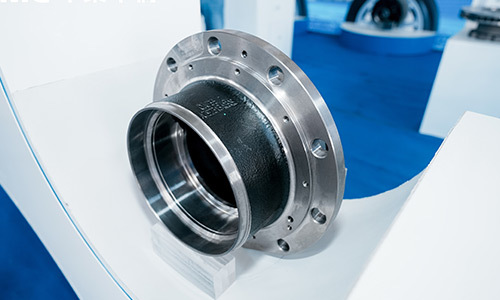
In the world of trailers — whether for commercial transport, recreational towing, or industrial hauling — every connection point contributes to safety and performance. Among those, the wheel hub for trailer plays a crucial role that often goes unnoticed until something goes wrong. This unassuming part, located at the center of each wheel, not only supports the wheel itself but also ensures smooth rotation, stable load distribution, and reliable connection to the axle system.
Though frequently overlooked, the wheel hub is integral to the overall towing experience. A poorly designed hub can lead to premature wear, vibrations, noisy operation, and even unsafe conditions on the road. Conversely, a well‑engineered wheel hub becomes a foundation of confidence — whether you’re transporting goods across states or towing a boat to the lake.

Precision Design Meets Real‑World Demands
The modern wheel hub for trailer must be engineered to handle a variety of stresses. Unlike passenger vehicles that experience relatively predictable loads, trailers often face highly variable conditions: heavy payloads, sudden accelerations, rough terrain, and long‑distance travel. This means the hub’s design must balance strength, weight, heat dissipation, and durable surface performance.
Today’s advanced designs carefully consider bearing placement, material selection, and sealing solutions to optimize performance. Precision machining ensures that each hub matches exact axle and bearing specifications, reducing unnecessary play and providing stable rotation under load. Seals and protective features guard against moisture, dust, and debris — elements that contribute to corrosion and premature failure.
Material Innovation Enhancing Durability
Choosing the right materials is a fundamental part of creating a reliable wheel hub for trailer. Hubs crafted from high‑strength alloy steel deliver exceptional structural integrity and resistance against fatigue under heavy loads. By integrating advanced metallurgy with controlled heat treatment processes, manufacturers can fine‑tune the balance between hardness and toughness, ensuring the hub withstands impact without cracking while also resisting excessive wear.
Innovative material science plays a particularly important role where heat and friction are concerns. As the wheel rotates and bearings operate, heat is generated. An optimized hub design with the right material matrix can dissipate heat more effectively, reducing the risk of bearing wear and extending service life. These material decisions may be invisible to the end user — but their effects are felt every mile of the journey.
Manufacturing Excellence: From Foundry to Finished Part
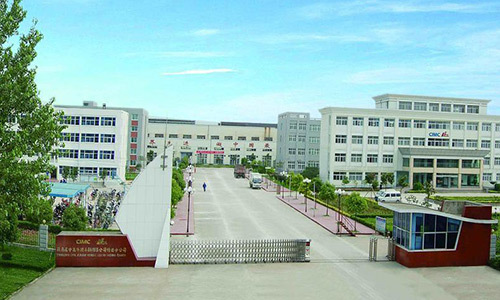
High‑quality wheel hub for trailer production begins long before machining begins. It starts with careful material sourcing: selecting alloy steels with verified chemical compositions that meet strict performance criteria. In the foundry, controlled melting and casting processes produce robust blanks with minimal defects.
After casting, hubs undergo precision machining to achieve exact dimensional tolerances. CNC machining centers create precise bearing seats, bolt patterns, and mounting surfaces to ensure perfect fitment with wheel assemblies. Each machining step is programmed and monitored to maintain consistent quality across batches.
From there, hubs move to heat treatment stages designed to refine their internal microstructure. Through controlled heating and cooling cycles, selected properties such as surface hardness, core ductility, and fatigue resistance are enhanced — ensuring each wheel hub can handle the demands of real‑world use.
Before any hub leaves the factory, it undergoes rigorous quality inspections. Hardness testing confirms that the heat treatment process achieved target properties, while dimensional checks verify that every mounting surface aligns with specification. Visual inspections and surface finish assessments ensure each unit meets both safety and performance standards.
Real‑World Benefits You Can Trust
For fleet operators, recreational users, and industrial partners alike, the advantages of investing in a well‑designed wheel hub for trailer are clear. Reduced maintenance needs translate to lower operating costs and fewer interruptions in service. Durable hubs provide consistent performance over time, minimizing the risks of breakdowns or roadside failures.
Stable wheel rotation and precise fitment also contribute to smoother towing experiences, reducing vibrations and enhancing handling. Whether traveling on highways or rural roads, the confidence that comes with a reliable hub improves both safety and comfort.
Brand Value and Support Beyond the Part
Quality products are only one aspect of a trusted relationship. What truly sets a supplier apart is a commitment to service, transparency, and customer support. From initial consultation to after‑sales care, the company places customer needs at the forefront. Technical experts are available to assist with part selection, compatibility questions, and installation guidance — ensuring each client gets the right solution for their specific requirements.
Continuous feedback from customers fuels ongoing product refinement, aligning design improvements with real‑world needs. Responsive communication, timely delivery, and a dedication to continuous improvement make this brand not just a supplier, but a partner in long‑term success.
For operators who value reliability, safety, and reduced total cost of ownership, exploring the advantages of a premium wheel hub for trailer is a practical first step. Contact the team today to learn more about tailored solutions, detailed product specifications, and how quality wheel hubs can elevate your towing performance.
Contact Us
E-mail:
Whatsapp:
Address:
West Section of Xuesong Road, Zhumadian City, Henan Province, China
News Update

Contact Us
Tel: +86-396-3678889 / 3678891
E-mail: cimchjzz@cimc.com
Address: West Section of Xuesong Road, Zhumadian City, Henan Province, China


Copyright © Zhumadian CIMC Huajun Casting Co., Ltd.
Powered by :www.300.cn Supported IPV6 Privacy Agreement