
-
User Center

-
Blog




Essential Maintenance Tips for Long-Lasting Heavy-Duty Truck Wheel Hubs
Apr 25,2026
Essential Maintenance Tips for Long-Lasting Heavy-Duty Truck Wheel Hubs
When it comes to the performance and longevity of heavy-duty trucks, wheel hubs play a critical role. Often overlooked, these components require comprehensive care to ensure they operate efficiently under the demanding conditions of commercial transportation. In this article, we will provide you with in-depth maintenance tips that will help you maximize the lifespan of your heavy-duty truck wheel hubs.
The Importance of Wheel Hubs in Heavy-Duty Trucks
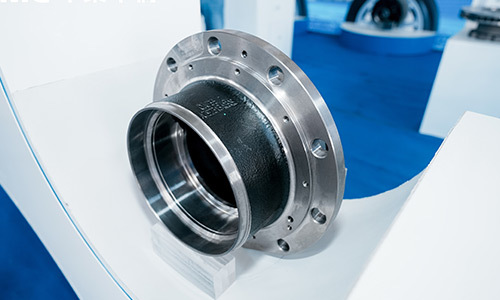
Wheel hubs are vital components that connect the wheels to the vehicle, enabling them to rotate smoothly. They house essential parts such as bearings and brake systems, ensuring stability and safety during operation. Understanding their function can guide you in performing appropriate maintenance, thus preventing costly repairs down the line.
Key Functions of Wheel Hubs
1. **Support Weight**: Wheel hubs bear the weight of the truck and its load, distributing it evenly across the axle.
2. **Facilitate Rotation**: They allow the wheels to rotate freely, which is crucial for steering and maneuverability.
3. **House Bearings**: Hubs contain bearings that reduce friction and wear during vehicle operation, contributing to smoother rides.
Common Issues That Affect Wheel Hubs
Awareness of potential problems can help you take preventive measures. Here are some common issues that can significantly affect the performance of your wheel hubs:
1. Wear and Tear
Over time, wheel hubs experience wear and tear due to constant friction. This can result in misalignment and reduced efficiency.
2. Corrosion
Heavy-duty trucks often operate in harsh environments. Exposure to moisture and road salts can lead to corrosion, compromising the integrity of the wheel hub.
3. Overheating
Excessive heat from braking systems can cause wheel hubs to overheat, leading to structural damage and premature failure.
4. Contamination
Dirt, dust, and other contaminants can infiltrate wheel hubs, causing premature wear of bearings and other internal components.
Essential Maintenance Practices for Wheel Hubs
To ensure the longevity of your heavy-duty truck wheel hubs, follow these essential maintenance practices:
1. Regular Inspections
Conducting routine inspections is crucial. Check for signs of wear, corrosion, and any unusual sounds during wheel rotation. Make this a part of your regular maintenance schedule.
Inspection Checklist:
- Visual inspection for rust or corrosion
- Checking for cracks or physical damage
- Testing wheel movement for smooth rotation
- Assessing the condition of wheel bearings
2. Proper Lubrication
Lubrication is key to efficient hub operation. Use high-quality grease recommended by your truck manufacturer to minimize friction and wear. Remember to clean old grease from bearings before applying new lubricant.
Lubrication Tips:
- Apply grease every 30,000 miles or as recommended.
- Ensure the grease is free of contaminants.
- Use a grease gun for even application.
3. Adjusting Bearing Tension
Improper bearing tension can lead to premature wear. Ensure bearings are adjusted to the manufacturer's specifications to allow for optimal performance.
Adjustment Techniques:
- Use a torque wrench for precise adjustments.
- Adjust bearing nuts to the specified torque levels.
- Rotate the wheel to check for smoothness post-adjustment.
4. Monitor for Unusual Noises
Listen for any grinding, humming, or whining noises while driving. These sounds can indicate bearing failure or misalignment, and prompt action should be taken to investigate and resolve the issue.
5. Ensure Proper Wheel Alignment
Misalignment can cause uneven wear on wheel hubs. Regularly check and adjust wheel alignment to prolong the lifespan of the components.
Signs You Need Professional Assistance
While regular maintenance can go a long way, some issues require professional attention. Here are signs that indicate it's time to consult an expert:
1. Excessive Vibration
If you notice excessive vibration while driving, it may indicate a problem with the wheel hub or bearings.
2. Uneven Tire Wear
Uneven tire wear patterns can signify misalignment or a worn-out wheel hub that needs immediate inspection.
3. Fluid Leaks
Look out for grease or oil leaks around the wheel hub area. This could indicate a seal failure that needs to be addressed promptly.
Choosing Quality Replacement Parts
When replacing wheel hubs or associated components, always opt for high-quality parts. This ensures performance and longevity, saving you money on repairs in the long run. Here are some factors to consider:
1. Manufacturer Reputation
Choose parts from reputable manufacturers known for their quality and reliability in heavy-duty applications.
2. Compatibility
Ensure that any replacement parts are compatible with your specific truck model to avoid installation issues.
3. Warranty Coverage
Consider parts that come with a warranty, which can provide peace of mind regarding their durability and performance.
Frequently Asked Questions (FAQs)
1. How often should I inspect my truck's wheel hubs?
It's recommended to inspect wheel hubs every 30,000 miles or during routine maintenance checks.
2. What type of grease should I use for lubrication?
Use high-quality, manufacturer-recommended grease specifically designed for heavy-duty applications.
3. Can I replace wheel hubs myself?
While experienced mechanics can do it, replacing wheel hubs requires specific knowledge and tools. It's advisable to seek professional help if you're not experienced.
4. What are the signs of wheel hub failure?
Common signs include unusual noises while driving, excessive vibration, and visible wear or damage during inspections.
5. How can I prevent corrosion on wheel hubs?
Regularly clean the wheel hubs and apply protective coatings to prevent moisture and salt exposure.
Conclusion
Maintaining heavy-duty truck wheel hubs is crucial for ensuring safety, performance, and longevity. By implementing regular inspections, proper lubrication, and timely adjustments, you can keep your wheel hubs in optimal condition. Stay attentive to signs of wear and seek professional assistance when necessary. By following these maintenance tips, you will enhance the durability of your wheel hubs and ensure your trucks operate smoothly on every journey. Prioritize the care of your wheel hubs today for a more efficient and longer-lasting truck tomorrow.
Contact Us
E-mail:
Whatsapp:
Address:
West Section of Xuesong Road, Zhumadian City, Henan Province, China
News Update

Contact Us
Tel: +86-396-3678889 / 3678891
E-mail: cimchjzz@cimc.com
Address: West Section of Xuesong Road, Zhumadian City, Henan Province, China


Copyright © Zhumadian CIMC Huajun Casting Co., Ltd.
Powered by :www.300.cn Supported IPV6 Privacy Agreement