
-
User Center

-
Blog

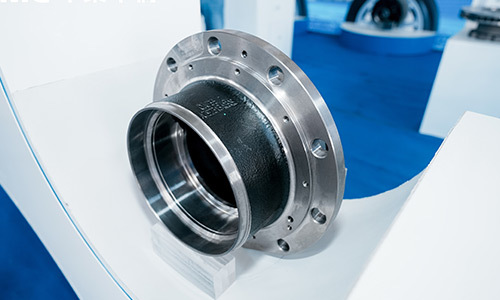



Understanding Heavy-Duty Truck Wheel Hubs: Functionality, Types, and Maintenance Tips
Jul 09,2026
Heavy-duty truck wheel hubs are vital components in the overall functioning of commercial vehicles. These hubs serve as the connection point between the wheels and the axle, playing a crucial role in supporting the weight of the truck and its cargo while ensuring proper wheel alignment and rotation. Understanding the functionality and maintenance of these components can significantly enhance the performance and safety of heavy-duty trucks.
One of the primary functions of heavy-duty truck wheel hubs is to provide a stable mounting point for the wheels. The design of these hubs allows for the efficient transfer of weight and torque from the vehicle to the wheels, ensuring that the truck can operate smoothly, even under heavy loads. In addition to supporting the weight, the hubs also house the wheel bearings that facilitate smooth wheel rotation, reducing friction and wear on the tires.
There are several types of heavy-duty truck wheel hubs available, each designed to meet specific performance requirements. The most common types include conventional, hub-piloted, and stud-piloted hubs. Conventional hubs feature a simple design and are often found on older truck models. Hub-piloted hubs are more modern, providing improved load distribution and easier wheel installation, while stud-piloted hubs are designed for enhanced strength, making them suitable for heavy-load applications. Selecting the right type of hub is essential for optimizing vehicle performance and ensuring safety.
Regular maintenance is crucial to prolong the life of heavy-duty truck wheel hubs. One of the most important aspects of maintenance is to keep the hubs clean and properly lubricated. Regularly inspect the wheel bearings for wear and tear, as well as checking for any signs of rust or corrosion that may compromise the integrity of the hub. Additionally, ensuring that the wheel bolts are tightened to the manufacturer's specifications is essential to prevent wheel detachment while driving.
Another key aspect of maintaining heavy-duty truck wheel hubs is monitoring for unusual noises or vibrations while the vehicle is in operation. These can be early indicators of bearing failure or hub damage. If any irregularities are detected, it is advisable to conduct a thorough inspection and replace any damaged components immediately to avoid potential accidents on the road.
In conclusion, heavy-duty truck wheel hubs play a critical role in the performance and safety of commercial vehicles. By understanding their functionality, types, and maintenance practices, fleet managers and truck operators can ensure their trucks remain in optimal condition. This knowledge not only enhances the lifespan of the vehicle but also contributes to operational efficiency and safety on the road.
One of the primary functions of heavy-duty truck wheel hubs is to provide a stable mounting point for the wheels. The design of these hubs allows for the efficient transfer of weight and torque from the vehicle to the wheels, ensuring that the truck can operate smoothly, even under heavy loads. In addition to supporting the weight, the hubs also house the wheel bearings that facilitate smooth wheel rotation, reducing friction and wear on the tires.
There are several types of heavy-duty truck wheel hubs available, each designed to meet specific performance requirements. The most common types include conventional, hub-piloted, and stud-piloted hubs. Conventional hubs feature a simple design and are often found on older truck models. Hub-piloted hubs are more modern, providing improved load distribution and easier wheel installation, while stud-piloted hubs are designed for enhanced strength, making them suitable for heavy-load applications. Selecting the right type of hub is essential for optimizing vehicle performance and ensuring safety.
Regular maintenance is crucial to prolong the life of heavy-duty truck wheel hubs. One of the most important aspects of maintenance is to keep the hubs clean and properly lubricated. Regularly inspect the wheel bearings for wear and tear, as well as checking for any signs of rust or corrosion that may compromise the integrity of the hub. Additionally, ensuring that the wheel bolts are tightened to the manufacturer's specifications is essential to prevent wheel detachment while driving.
Another key aspect of maintaining heavy-duty truck wheel hubs is monitoring for unusual noises or vibrations while the vehicle is in operation. These can be early indicators of bearing failure or hub damage. If any irregularities are detected, it is advisable to conduct a thorough inspection and replace any damaged components immediately to avoid potential accidents on the road.
In conclusion, heavy-duty truck wheel hubs play a critical role in the performance and safety of commercial vehicles. By understanding their functionality, types, and maintenance practices, fleet managers and truck operators can ensure their trucks remain in optimal condition. This knowledge not only enhances the lifespan of the vehicle but also contributes to operational efficiency and safety on the road.
PREVIOUS:
Contact Us
E-mail:
Whatsapp:
Address:
West Section of Xuesong Road, Zhumadian City, Henan Province, China
News Update

Contact Us
Tel: +86-396-3678889 / 3678891
E-mail: cimchjzz@cimc.com
Address: West Section of Xuesong Road, Zhumadian City, Henan Province, China


Copyright © Zhumadian CIMC Huajun Casting Co., Ltd.
Powered by :www.300.cn Supported IPV6 Privacy Agreement