
-
User Center

-
Blog




The Critical Role of Heavy-Duty Truck Wheel Hubs in Enhancing Performance
Jun 14,2026
The Critical Role of Heavy-Duty Truck Wheel Hubs in Enhancing Performance
Table of Contents
- Understanding Wheel Hubs: What Are They?
- The Importance of Wheel Hubs in Heavy-Duty Trucks
- Types of Heavy-Duty Truck Wheel Hubs
- How Wheel Hubs Affect Truck Performance
- Maintenance Tips for Long-lasting Wheel Hubs
- Signs of Wheel Hub Failure: What to Look For
- Innovations in Wheel Hub Technology
- Conclusion: Investing in Quality Wheel Hubs
- Frequently Asked Questions
Understanding Wheel Hubs: What Are They?
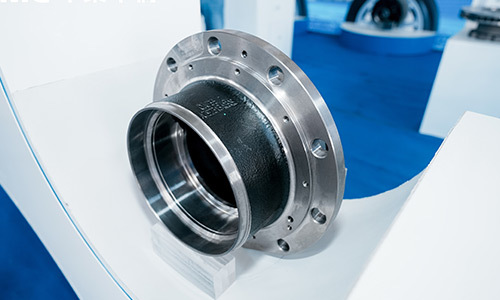
Heavy-duty truck wheel hubs serve as a critical component in the vehicle's drivetrain, acting as the connection point between the wheel and the axle. These hubs are designed to support the weight of the vehicle while allowing for smooth rotation of the wheels. Constructed from durable materials, heavy-duty wheel hubs must withstand immense stress and strain, particularly during off-road conditions or while carrying heavy loads.
The wheel hub is integral not only for the performance of the truck but also for safety. A well-functioning hub ensures that the wheels remain securely attached to the vehicle, preventing potential accidents caused by wheel detachment. The main components of a wheel hub typically include the hub assembly, bearings, and a seal to protect the inner components from dirt and moisture.
The Importance of Wheel Hubs in Heavy-Duty Trucks
The significance of heavy-duty truck wheel hubs cannot be overstated. These components directly impact various aspects of truck performance, including stability, handling, and overall driving experience. Here are several reasons why wheel hubs are essential:
1. Weight Distribution
Wheel hubs play a pivotal role in distributing the weight of the truck evenly across all wheels. This distribution is crucial for maintaining balance and ensuring that the truck remains stable, particularly when navigating challenging terrains or sharp turns.
2. Enhanced Safety
Reliable wheel hubs contribute to the overall safety of heavy-duty trucks. They reduce the risk of wheel failure, which can lead to severe accidents. Regular monitoring and maintenance of wheel hubs are vital to ensure they remain in optimal condition.
3. Improved Handling
A properly functioning wheel hub contributes to better steering response and handling. When the wheels rotate smoothly, drivers can maintain better control, especially when maneuvering through tight spaces or navigating rough road conditions.
4. Longevity of Tires
Wheel hubs affect tire wear and tear. When the hubs are misaligned or malfunctioning, uneven tire wear can occur, leading to a shorter lifespan for the tires. Investing in high-quality wheel hubs can lead to significant savings in tire replacement costs.
Types of Heavy-Duty Truck Wheel Hubs
Understanding the different types of wheel hubs available in the market is crucial for making informed decisions. The primary types of heavy-duty truck wheel hubs include:
1. Standard Wheel Hubs
Standard wheel hubs are typically found in most heavy-duty trucks. They are designed for everyday use and provide adequate support for various driving conditions. These hubs are often made from steel or aluminum, offering a balance between weight and durability.
2. Hub Assemblies
Hub assemblies combine the wheel hub with bearings and other essential components into a single unit. This design simplifies installation and maintenance while ensuring that all parts work harmoniously together. Hub assemblies are becoming increasingly popular in modern heavy-duty trucks.
3. Modular Wheel Hubs
Modular wheel hubs offer a customizable solution for truck manufacturers and owners. These hubs allow for easy upgrades and modifications, making them suitable for specialized applications such as off-road driving or heavy towing.
4. Lightweight Wheel Hubs
Designed for fuel efficiency, lightweight wheel hubs minimize the overall weight of the truck while maintaining strength and durability. These hubs are made from advanced materials like carbon fiber or high-strength aluminum alloys.
How Wheel Hubs Affect Truck Performance
The performance of heavy-duty trucks is intricately linked to the quality and functionality of their wheel hubs. Several factors illustrate this relationship:
1. Load Capacity
Heavy-duty trucks often carry substantial loads, and the wheel hubs must be capable of supporting this weight without compromising performance. A robust wheel hub design can enhance load capacity, allowing trucks to transport heavier goods safely.
2. Heat Dissipation
Wheel hubs generate heat as the wheels rotate, especially under heavy loads. Effective heat dissipation is crucial to prevent overheating, which can lead to premature wear of bearings and other components. High-quality hubs are designed with ventilation features to enhance heat management.
3. Vibration Dampening
Vibrations from the road can affect the performance and comfort of the ride. Quality wheel hubs are designed to minimize vibrations, leading to a smoother driving experience for the operator and passengers alike.
4. Fuel Efficiency
The condition of wheel hubs can influence fuel efficiency. Properly functioning hubs reduce rolling resistance, allowing trucks to operate more efficiently and consume less fuel. This not only benefits the environment but also reduces operational costs.
Maintenance Tips for Long-lasting Wheel Hubs
Routine maintenance of heavy-duty truck wheel hubs is essential for ensuring their longevity and optimal performance. Here are some actionable tips:
1. Regular Inspections
Conducting regular inspections of the wheel hubs can help identify potential issues before they escalate. Look for signs of wear, damage, or rust, and address these issues promptly.
2. Lubrication
Proper lubrication of the bearings within the wheel hub is crucial. Ensure that your maintenance routine includes checking and replacing the lubricant as needed to prevent friction and wear.
3. Alignment Checks
Misalignment can lead to uneven tire wear and affect the performance of the truck. Regular alignment checks ensure that the wheel hubs are correctly positioned and functioning optimally.
4. Replace Worn Components
If any components of the wheel hub, such as bearings or seals, show signs of wear or damage, replace them immediately. This proactive approach can prevent further damage and costly repairs.
5. Professional Maintenance
Consider having wheel hubs inspected and serviced by professionals, especially if you are unsure about their condition. Expert technicians can provide valuable insights and ensure that everything is functioning correctly.
Signs of Wheel Hub Failure: What to Look For
Recognizing the early signs of wheel hub failure can prevent serious accidents and costly repairs. Here are some warnings to be aware of:
1. Unusual Noises
Hearing grinding, clicking, or humming noises while driving can indicate a failing wheel hub. These sounds result from worn bearings or misalignment and should not be ignored.
2. Vibration or Shaking
If you experience excessive vibration or shaking in the steering wheel, it could signal a problem with the wheel hubs. This issue may worsen over time, affecting your control over the vehicle.
3. Uneven Tire Wear
Inspecting your tires for uneven wear patterns can reveal underlying issues with the wheel hubs. If one side shows more wear than the other, it’s time to check the hubs and alignment.
4. Wheel Play
Excessive play in the wheel can indicate a problem with the hub assembly. If you notice any wobbling or looseness when the wheel is grasped, it's crucial to have it inspected immediately.
Innovations in Wheel Hub Technology
The trucking industry is continuously evolving, and advancements in wheel hub technology are at the forefront of improving performance and safety. Here are some notable innovations:
1. Smart Wheel Hubs
Smart technology is making its way into wheel hubs, providing real-time data on performance metrics such as temperature, load, and wear. This information can help fleet managers make informed decisions about maintenance and replacements.
2. Advanced Materials
The use of advanced materials, such as carbon fiber and high-strength alloys, enhances the durability and performance of wheel hubs. These materials can withstand greater stress while reducing weight, contributing to overall fuel efficiency.
3. Adaptive Hub Designs
Innovative adaptive designs allow wheel hubs to adjust their configurations based on the driving conditions. This adaptability can significantly improve traction and handling in various environments.
4. Enhanced Sealing Technologies
New sealing technologies are being developed to improve protection against dirt, moisture, and contaminants. This advancement prolongs the lifespan of wheel hubs and ensures optimal performance in adverse conditions.
Conclusion: Investing in Quality Wheel Hubs
The importance of heavy-duty truck wheel hubs in enhancing vehicle performance cannot be overstated. From improving safety to maximizing fuel efficiency, these components play a vital role in the overall functionality of heavy-duty trucks. Regular maintenance, awareness of potential failure signs, and staying updated on technological advancements are crucial for ensuring that your wheel hubs perform at their best. Investing in high-quality wheel hubs is not just a choice; it’s a commitment to safety, efficiency, and longevity in the trucking industry.
Frequently Asked Questions
1. What are the main functions of a wheel hub?
The primary functions of a wheel hub include supporting the weight of the vehicle, allowing for smooth wheel rotation, and ensuring the secure attachment of the wheels to the axle.
2. How often should I inspect my truck's wheel hubs?
It is advisable to inspect your truck's wheel hubs at least once every 6,000 to 10,000 miles or during routine maintenance checks to ensure they remain in good condition.
3. Can I replace a wheel hub myself?
While experienced mechanics may handle wheel hub replacement, it is generally recommended to have this service performed by a professional to ensure proper installation and safety.
4. What are the signs that my wheel hub needs to be replaced?
Signs that your wheel hub may need replacement include unusual noises, excessive vibration, uneven tire wear, and noticeable play in the wheel.
5. How does wheel hub maintenance impact fuel efficiency?
Proper maintenance of wheel hubs minimizes rolling resistance and ensures that the wheels operate efficiently, leading to improved fuel efficiency and reduced operational costs.
Contact Us
E-mail:
Whatsapp:
Address:
West Section of Xuesong Road, Zhumadian City, Henan Province, China
News Update

Contact Us
Tel: +86-396-3678889 / 3678891
E-mail: cimchjzz@cimc.com
Address: West Section of Xuesong Road, Zhumadian City, Henan Province, China


Copyright © Zhumadian CIMC Huajun Casting Co., Ltd.
Powered by :www.300.cn Supported IPV6 Privacy Agreement