
-
User Center

-
Blog


Understanding the Technology Behind Vermicular Graphite Brake Drums
Sep 02,2026
Understanding the Technology Behind Vermicular Graphite Brake Drums
Table of Contents
- Introduction to Vermicular Graphite Brake Drums
- What is Vermicular Graphite?
- Benefits of Vermicular Graphite in Brake Drums
- How Vermicular Graphite Brake Drums are Manufactured
- Performance Characteristics of Vermicular Graphite Brake Drums
- Comparing Vermicular Graphite with Traditional Brake Drum Materials
- Environmental Considerations and Sustainability
- The Future of Vermicular Graphite Brake Drums
- FAQs on Vermicular Graphite Brake Drums
- Conclusion
Introduction to Vermicular Graphite Brake Drums
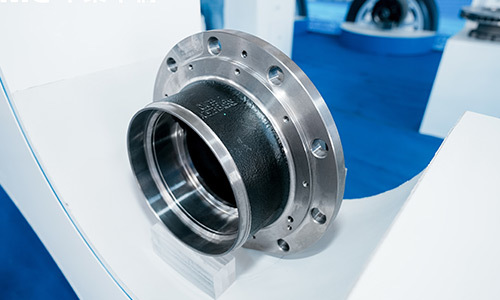
In the automotive sector, **brake systems** are crucial for ensuring safety and performance. Among the innovations driving improvements in braking technology, **vermicular graphite brake drums** stand out. These advanced components are renowned for their exceptional strength, durability, and thermal management properties, making them an ideal choice for modern vehicles. This article delves into the intricate technology behind vermicular graphite brake drums, exploring their composition, advantages, and future prospects.
What is Vermicular Graphite?
Vermicular graphite, also known as **worm-like graphite**, is a unique form of graphite characterized by its distinctive shape. Unlike traditional graphite, which appears as flat flakes, vermicular graphite exhibits a wavy, elongated structure. This configuration enhances the material's mechanical properties, including strength and thermal conductivity, making it highly suitable for automotive applications.
The production of vermicular graphite involves specific alloying and cooling processes that promote its unusual morphology. This complex formation allows for improved performance in high-stress environments, such as brake systems, where reliability and efficiency are paramount.
Benefits of Vermicular Graphite in Brake Drums
The integration of vermicular graphite in brake drums presents numerous advantages over traditional materials. Key benefits include:
1. Enhanced Strength and Durability
Vermicular graphite exhibits increased tensile strength compared to conventional cast iron. This enhanced strength translates into brake drums that can withstand higher loads and resist wear effectively, leading to longer service life.
2. Superior Thermal Conductivity
The thermal management capabilities of vermicular graphite are outstanding. The unique structure facilitates efficient heat dissipation, reducing the risk of brake fade during heavy use. This property is particularly beneficial for vehicles that require consistent performance under extreme conditions.
3. Lightweight Design
Vermicular graphite brake drums can be manufactured to be lighter than traditional iron counterparts without compromising structural integrity. This weight reduction contributes to improved fuel efficiency and vehicle handling, making them an attractive option for manufacturers aiming to enhance overall vehicle performance.
4. Corrosion Resistance
Exposure to moisture and corrosive environments is a constant challenge for brake systems. Vermicular graphite exhibits better resistance to corrosion, reducing maintenance needs and extending the lifespan of brake components.
How Vermicular Graphite Brake Drums are Manufactured
The manufacturing process for vermicular graphite brake drums involves several critical steps that contribute to their unique properties.
1. Material Preparation
The first step in manufacturing vermicular graphite brake drums is preparing the raw materials. Special alloys containing silicon, magnesium, and other elements are combined to facilitate the formation of vermicular graphite during solidification.
2. Melting and Pouring
The alloy is melted in a furnace at high temperatures. Once melted, the molten metal is poured into molds designed to shape the brake drums. The cooling rate is carefully controlled to ensure the formation of vermicular graphite.
3. Heat Treatment
After the initial casting, the brake drums undergo heat treatment to enhance their mechanical properties further. This process involves heating the drums to a specific temperature and then cooling them at a controlled rate.
4. Machining and Finishing
Post-heat treatment, the brake drums are machined to achieve precise dimensions and surface finishes. This step is crucial for ensuring proper fit and function within the vehicle’s braking system.
5. Quality Control
Quality assurance is an essential aspect of the manufacturing process. Each batch of brake drums is tested for strength, thermal performance, and dimensional accuracy, ensuring they meet stringent industry standards.
Performance Characteristics of Vermicular Graphite Brake Drums
The performance of vermicular graphite brake drums is defined by several key characteristics that contribute to their effectiveness in a variety of applications.
1. Consistent Braking Performance
Vermicular graphite brake drums offer consistent braking performance, providing reliable stopping power under varying conditions. This reliability is vital for safety in both everyday driving and demanding situations.
2. Reduced Noise Levels
The unique properties of vermicular graphite help dampen vibrations and reduce noise during braking, contributing to a more pleasant driving experience. Quieter operation is increasingly important to consumers and manufacturers alike.
3. Lower Wear Rates
The durability of vermicular graphite leads to lower wear rates compared to conventional materials. This longevity reduces the frequency of brake drum replacements, offering cost savings for vehicle owners.
Comparing Vermicular Graphite with Traditional Brake Drum Materials
When evaluating brake drum materials, it is crucial to compare the characteristics of vermicular graphite with traditional options.
1. Cast Iron vs. Vermicular Graphite
Traditional cast iron brake drums are heavy and can be prone to warping under high temperatures. In contrast, vermicular graphite provides enhanced thermal management, reduced weight, and increased strength, offering a superior alternative.
2. Composite Materials
While composite materials have gained popularity in various applications due to their lightweight nature, they often lack the thermal stability and mechanical strength found in vermicular graphite. Thus, for high-performance applications, vermicular graphite remains a preferred choice.
3. Cost Considerations
Although the initial cost of vermicular graphite brake drums may be higher than traditional materials, the long-term benefits in terms of performance, durability, and maintenance make them a cost-effective choice for many vehicle manufacturers and owners.
Environmental Considerations and Sustainability
As the automotive industry increasingly focuses on sustainability, the environmental impact of materials used in manufacturing is paramount.
1. Reduced Carbon Footprint
The production of vermicular graphite brake drums typically involves less energy-intensive processes than traditional materials. This reduction in energy consumption contributes to a lower carbon footprint, aligning with global sustainability goals.
2. Recyclability
Vermicular graphite is recyclable, further enhancing its environmental appeal. End-of-life brake drums can be processed and repurposed, minimizing waste and contributing to a circular economy.
The Future of Vermicular Graphite Brake Drums
The future of vermicular graphite brake drums is promising, with ongoing research and development aimed at enhancing their properties further.
1. Innovations in Material Science
Advancements in material science may lead to the development of even more sophisticated vermicular graphite formulations, potentially improving performance even further.
2. Expanding Applications
As more manufacturers recognize the benefits of vermicular graphite, its application may expand beyond automotive brake systems to other areas requiring high-performance materials, such as aerospace and industrial machinery.
FAQs on Vermicular Graphite Brake Drums
1. What makes vermicular graphite different from traditional graphite?
Vermicular graphite has a unique worm-like structure that enhances its mechanical properties, providing greater strength and thermal management compared to traditional graphite.
2. Are vermicular graphite brake drums more expensive than traditional options?
While the initial cost may be higher, the long-term benefits in durability and performance can make vermicular graphite brake drums a more economical choice.
3. How do vermicular graphite brake drums perform in high temperatures?
Vermicular graphite exhibits excellent thermal conductivity, allowing for efficient heat dissipation and maintaining performance under high-temperature conditions.
4. Can vermicular graphite brake drums be recycled?
Yes, vermicular graphite is recyclable, contributing to sustainable manufacturing practices and reducing waste.
5. Will the demand for vermicular graphite brake drums increase in the future?
Given the advantages and ongoing research, it is likely that demand for vermicular graphite brake drums will continue to grow as manufacturers seek to improve vehicle performance and sustainability.
Conclusion
The technology behind vermicular graphite brake drums represents a significant advancement in automotive braking systems. With their unique properties, including enhanced strength, superior thermal management, and reduced weight, these components offer numerous benefits over traditional materials. As the automotive industry continues to evolve, vermicular graphite brake drums are poised to play a critical role in shaping the future of vehicle safety and performance. Embracing this innovative technology will not only improve driving experiences but also contribute to more sustainable practices in manufacturing and materials usage.
Contact Us
E-mail:
Whatsapp:
Address:
West Section of Xuesong Road, Zhumadian City, Henan Province, China
News Update

Contact Us
Tel: +86-396-3678889 / 3678891
E-mail: cimchjzz@cimc.com
Address: West Section of Xuesong Road, Zhumadian City, Henan Province, China


Copyright © Zhumadian CIMC Huajun Casting Co., Ltd.
Powered by :www.300.cn Supported IPV6 Privacy Agreement