
-
User Center

-
Blog




Essential Insights into Heavy Truck Wheel Hubs for Optimal Performance
Jun 09,2026
Heavy truck wheel hubs play a crucial role in the overall functionality and performance of heavy-duty vehicles. Understanding the intricacies of these components is essential for fleet operators, manufacturers, and maintenance professionals in the automotive and parts industry, particularly in the drive system sector.
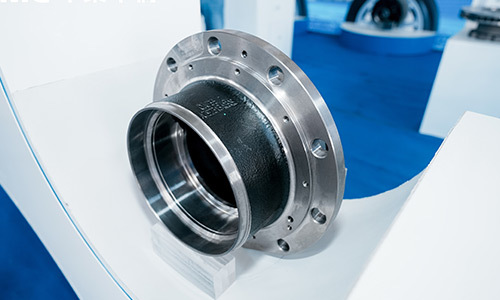
Wheel hubs serve as the central component connecting the wheel to the axles of the truck. They house essential parts such as bearings, which allow the wheel to rotate smoothly, and they also play a pivotal role in supporting the weight of the entire vehicle. Heavy truck wheel hubs are designed to withstand significant loads and stresses while providing reliability and durability under challenging driving conditions.
One of the primary concerns regarding wheel hubs is maintenance. Regular inspection is vital to ensure the longevity of the hubs and the safety of the vehicle. Common issues include wear and tear of bearings and seals, which can lead to wheel misalignment or failure. Signs that a wheel hub may need attention include unusual noises, vibrations, or uneven tire wear. Implementing a proactive maintenance schedule can help identify these issues before they escalate, thus preventing costly repairs and downtime.
In recent years, advancements in technology have led to the development of improved materials and designs for heavy truck wheel hubs. Manufacturers are increasingly utilizing high-strength alloys and advanced composites that enhance the strength-to-weight ratio. This not only contributes to better fuel efficiency but also improves overall performance. Furthermore, the integration of smart technology in wheel hubs allows for real-time monitoring of hub conditions, alerting operators to potential issues before they become critical.
When selecting heavy truck wheel hubs, it is essential to consider factors such as load capacity, compatibility with the truck's design, and specific driving conditions. Customization options may also be available to meet the unique needs of different fleets. By choosing the right wheel hub, operators can ensure optimal performance, improved safety, and reduced operational costs.
In conclusion, understanding the importance of heavy truck wheel hubs is vital for anyone involved in the automotive and parts industry. By focusing on maintenance, embracing technological advancements, and making informed choices during the selection process, fleet operators can enhance the reliability and efficiency of their vehicles. Regular audits and adherence to best practices in hub management will not only prolong the life of the hubs but also contribute to the overall productivity of the fleet.
Wheel hubs serve as the central component connecting the wheel to the axles of the truck. They house essential parts such as bearings, which allow the wheel to rotate smoothly, and they also play a pivotal role in supporting the weight of the entire vehicle. Heavy truck wheel hubs are designed to withstand significant loads and stresses while providing reliability and durability under challenging driving conditions.
One of the primary concerns regarding wheel hubs is maintenance. Regular inspection is vital to ensure the longevity of the hubs and the safety of the vehicle. Common issues include wear and tear of bearings and seals, which can lead to wheel misalignment or failure. Signs that a wheel hub may need attention include unusual noises, vibrations, or uneven tire wear. Implementing a proactive maintenance schedule can help identify these issues before they escalate, thus preventing costly repairs and downtime.
In recent years, advancements in technology have led to the development of improved materials and designs for heavy truck wheel hubs. Manufacturers are increasingly utilizing high-strength alloys and advanced composites that enhance the strength-to-weight ratio. This not only contributes to better fuel efficiency but also improves overall performance. Furthermore, the integration of smart technology in wheel hubs allows for real-time monitoring of hub conditions, alerting operators to potential issues before they become critical.
When selecting heavy truck wheel hubs, it is essential to consider factors such as load capacity, compatibility with the truck's design, and specific driving conditions. Customization options may also be available to meet the unique needs of different fleets. By choosing the right wheel hub, operators can ensure optimal performance, improved safety, and reduced operational costs.
In conclusion, understanding the importance of heavy truck wheel hubs is vital for anyone involved in the automotive and parts industry. By focusing on maintenance, embracing technological advancements, and making informed choices during the selection process, fleet operators can enhance the reliability and efficiency of their vehicles. Regular audits and adherence to best practices in hub management will not only prolong the life of the hubs but also contribute to the overall productivity of the fleet.
Contact Us
E-mail:
Whatsapp:
Address:
West Section of Xuesong Road, Zhumadian City, Henan Province, China
News Update

Contact Us
Tel: +86-396-3678889 / 3678891
E-mail: cimchjzz@cimc.com
Address: West Section of Xuesong Road, Zhumadian City, Henan Province, China


Copyright © Zhumadian CIMC Huajun Casting Co., Ltd.
Powered by :www.300.cn Supported IPV6 Privacy Agreement