
-
User Center

-
Blog

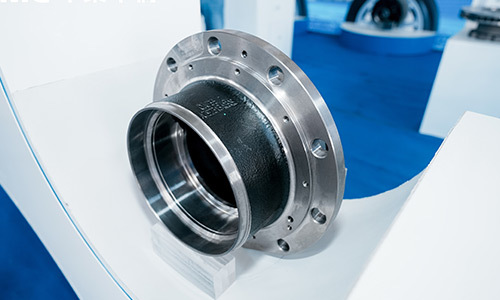



How to Choose the Right Heavy Duty Truck Brake Drum for Your Vehicle
May 25,2026
How to Choose the Right Heavy Duty Truck Brake Drum for Your Vehicle
When it comes to heavy-duty trucks, **brake systems** are crucial for ensuring safety and performance. One of the most vital components of this system is the **brake drum**. Choosing the right brake drum can significantly affect your vehicle's stopping power, longevity, and overall performance. In this guide, we will explore the key factors to consider when selecting a heavy-duty truck brake drum, ensuring you make the best choice for your vehicle.
Table of Contents
- Understanding Brake Drums
- Importance of Quality Brake Drums
- Types of Brake Drums
- Considering Dimensions and Specifications
- Material and Construction of Brake Drums
- Compatible Brake Drums for Your Vehicle
- Installation and Maintenance Tips
- Frequently Asked Questions
Understanding Brake Drums
**Brake drums** are cylindrical components that work in conjunction with brake shoes to slow down or stop a vehicle. They are typically found in the rear brake systems of heavy-duty trucks, providing essential braking force through friction. When the brake pedal is pressed, the brake shoes expand against the inner surface of the drum, creating friction that slows the vehicle down.
Understanding how brake drums function is crucial for making informed decisions about which ones to purchase for your heavy-duty truck. This knowledge helps you recognize the importance of compatibility and quality when it comes to brake performance.
Importance of Quality Brake Drums
Choosing high-quality brake drums is not just a matter of safety; it also affects the vehicle's **performance and durability**. Here are several reasons why investing in quality brake drums is essential:
1. **Safety**: High-quality brake drums provide better stopping power, reducing the risk of accidents. In heavy-duty trucks, where weight and speed are significant factors, this is especially crucial.
2. **Durability**: Quality materials and construction lead to longer-lasting brake drums. In turn, this reduces the frequency of replacements and associated costs over time.
3. **Performance**: Well-manufactured brake drums ensure smoother braking performance, contributing to overall vehicle control and stability.
4. **Cost-Effectiveness**: While quality brake drums may come at a higher initial cost, their longevity and efficiency can lead to lower long-term expenses.
Types of Brake Drums
Understanding the different types of brake drums available can aid in selecting the most suitable one for your heavy-duty truck. Here are the primary types of brake drums:
Standard Brake Drums
Standard brake drums are the most common type. They are suitable for everyday use and provide adequate stopping power for most heavy-duty trucks.
High-Performance Brake Drums
High-performance brake drums are designed for trucks that require enhanced stopping power and durability. They are often used in trucks that carry heavy loads or operate in demanding conditions.
Lightweight Brake Drums
Lightweight brake drums are made from specialized materials, allowing for weight reduction without sacrificing performance. These are ideal for trucks that prioritize fuel efficiency.
Considering Dimensions and Specifications
Selecting the right brake drum involves understanding its dimensions and specifications. Here are some key points to consider:
1. **Diameter**: Brake drum diameter is critical for ensuring compatibility with your truck's braking system. Measure the existing brake drums or refer to the manufacturer's specifications.
2. **Width**: The width of the brake drum affects its performance and the type of brake shoes required. Ensure that the new drum matches the width of the original.
3. **Bolt Pattern**: The bolt pattern must align with your vehicle's specifications for proper installation. Check the number of bolts and their spacing.
4. **Weight Rating**: Each brake drum has a weight rating, indicating the maximum load it can handle. Ensure the drum you choose meets or exceeds your truck's requirements.
Material and Construction of Brake Drums
The material and construction of brake drums significantly impact their performance and durability. Here are the most common materials:
Cast Iron
Cast iron is a traditional material known for its strength and heat resistance. It is often used in standard brake drums due to its reliability.
Aluminum
Aluminum brake drums are lighter and can improve fuel efficiency. They are often used in high-performance applications or lightweight trucks.
Composite Materials
Some modern brake drums are made from composite materials that offer a balance between weight and strength. These drums can provide excellent performance while reducing overall weight.
Compatible Brake Drums for Your Vehicle
Compatibility is crucial when selecting brake drums. Always consult your vehicle's manual to determine the correct specifications. If you are unsure, you can reach out to professionals or manufacturers for guidance. Additionally, it’s essential to consider any modifications made to your truck that could affect the brake system.
Installation and Maintenance Tips
Proper installation and maintenance of brake drums are essential for optimal performance and longevity. Here are some tips:
Installation Tips
1. **Follow Manufacturer Guidelines**: Always adhere to the manufacturer’s instructions during installation.
2. **Use the Correct Tools**: Ensure you have the necessary tools for installation to avoid damage to the drum or brake components.
3. **Align Correctly**: Ensure that the brake drum is aligned properly to prevent uneven wear.
Maintenance Tips
1. **Regular Inspections**: Conduct regular inspections of the brake drums for signs of wear or damage.
2. **Clean Brake Components**: Keep the brake components clean to prevent debris from affecting performance.
3. **Replace When Necessary**: If you notice any signs of warping, cracking, or excessive wear, replace the brake drum immediately.
Frequently Asked Questions
1. How often should I replace my heavy-duty truck brake drums?
It depends on usage, but generally, brake drums should be inspected regularly and replaced every 100,000 miles or when signs of wear are evident.
2. Can I use different brands of brake drums and shoes together?
While it is possible, it’s recommended to use the same brand for both drums and shoes to ensure compatibility and optimal performance.
3. What are the signs that I need to replace my brake drums?
Signs include unusual noises, vibrations during braking, and reduced braking performance.
4. Are lightweight brake drums worth the investment?
Yes, lightweight brake drums can improve fuel efficiency and performance, making them a worthwhile investment for many applications.
5. How can I determine the right size brake drum for my truck?
Consult your vehicle's manual or measure the existing brake drum. You can also seek advice from professionals to ensure you select the right size.
Conclusion
Selecting the right heavy-duty truck brake drum is crucial for ensuring the safety and performance of your vehicle. By understanding the different types of brake drums, considering essential specifications, and focusing on quality materials and construction, you can make an informed choice. Remember to prioritize compatibility with your truck and maintain your brake system regularly. With the right brake drum, you’ll enhance your vehicle's safety and efficiency on the road, ensuring that you can tackle any challenge that comes your way.
Contact Us
E-mail:
Whatsapp:
Address:
West Section of Xuesong Road, Zhumadian City, Henan Province, China
News Update

Contact Us
Tel: +86-396-3678889 / 3678891
E-mail: cimchjzz@cimc.com
Address: West Section of Xuesong Road, Zhumadian City, Henan Province, China


Copyright © Zhumadian CIMC Huajun Casting Co., Ltd.
Powered by :www.300.cn Supported IPV6 Privacy Agreement