
-
User Center

-
Blog


Top Signs Your Semi-Trailer Hub and Rotor Assembly Needs Replacement
Jul 24,2026
Top Signs Your Semi-Trailer Hub and Rotor Assembly Needs Replacement
Introduction to Semi-Trailer Hub and Rotor Assembly
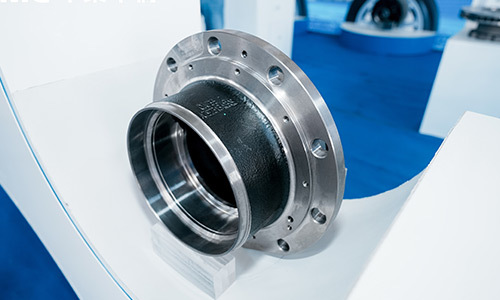
The hub and rotor assembly plays a pivotal role in the braking system of semi-trailers. It connects the wheels to the axle and houses the brake components, ensuring effective stopping power. Regular maintenance is essential to prevent costly repairs and ensure safety on the road. Knowing the signs that indicate your hub and rotor assembly may need replacement can be crucial for fleet owners and drivers alike.
Table of Contents
- Understanding the Hub and Rotor Assembly
- Signs Your Hub and Rotor Assembly Needs Replacement
- 1. Abnormal Noises While Braking
- 2. Vibrations in the Steering Wheel or Brake Pedal
- 3. Heat Build-Up
- 4. Pulling to One Side When Braking
- 5. Limited Braking Performance
- 6. Visible Damage or Wear
- 7. Excessive Grease Leakage
- 8. Frequent Servicing
- Conclusion
- FAQs
Understanding the Hub and Rotor Assembly
The hub and rotor assembly consists of several components, including the wheel hub, brake rotor, bearings, and seals. This assembly is crucial for the functionality of the braking system, allowing the brakes to clamp onto the rotor and slow down the trailer effectively. When these components wear out or become damaged, it can lead to severe consequences, including reduced braking efficiency and potential accidents.
Signs Your Hub and Rotor Assembly Needs Replacement
Recognizing the signs that indicate your hub and rotor assembly may need replacement is vital for maintaining safety and performance. Below are some critical indicators to watch for:
1. Abnormal Noises While Braking
One of the first signs that your hub and rotor assembly may need replacement is the presence of abnormal noises. If you hear grinding, squeaking, or scraping sounds when applying the brakes, it suggests that the brake pads are worn down, and the metal may be grinding against the rotor. This not only indicates that the rotor may be damaged but also poses a safety risk, as it can affect braking performance.
2. Vibrations in the Steering Wheel or Brake Pedal
If you experience vibrations in the steering wheel or brake pedal while braking, it's a clear sign that something is amiss with your hub and rotor assembly. These vibrations can stem from warped rotors that no longer maintain a flat surface, leading to uneven contact with the brake pads. This issue can severely impact braking efficiency and should be addressed immediately.
3. Heat Build-Up
Excessive heat build-up in the braking system can signal a problem with the hub and rotor assembly. If you notice that the wheels or brake components are unusually hot to the touch after a routine stop, it could mean that the braking system is overworking. This excessive heat can lead to brake fade and significantly reduce stopping power, making it essential to inspect the assembly for wear or damage.
4. Pulling to One Side When Braking
If your semi-trailer pulls to one side while braking, it's often indicative of an issue with the hub and rotor assembly. Uneven wear on the brake pads or a malfunctioning rotor can cause this pulling effect, affecting your control over the trailer. It’s crucial to have the braking system checked to ensure safe and effective operation.
5. Limited Braking Performance
A noticeable decrease in braking performance is a significant sign that your hub and rotor assembly may need replacement. If you find yourself pressing the brake pedal harder to slow down or stop, it indicates reduced contact between the brake pads and the rotor. This could stem from a variety of issues, including worn rotors or improperly adjusted brakes.
6. Visible Damage or Wear
Physical inspection of the hub and rotor assembly can reveal visible signs of damage or wear. Look for cracks, deep grooves, or any discoloration on the rotor surface. Additionally, check for any signs of rust or corrosion, which can impact performance and longevity. If any of these issues are present, it’s time to consider replacement.
7. Excessive Grease Leakage
Grease leakage from the hub assembly can indicate a failing seal or bearing that may require immediate attention. Excessive grease around the wheel hub can impair braking performance and lead to further damage to the assembly. Regularly inspect the hubs for any signs of grease leakage and address them promptly to avoid more significant issues down the line.
8. Frequent Servicing
If you find that you're frequently servicing your hub and rotor assembly, it might be time for an overhaul. Frequent issues can indicate that your current assembly is nearing the end of its lifespan. Investing in a new assembly may ultimately save you time and money in the long run.
Conclusion
Understanding the signs that your semi-trailer hub and rotor assembly needs replacement is crucial for maintaining safety and efficiency on the road. Regular inspections and attentive monitoring can help identify issues before they escalate into more significant problems. By recognizing the indicators outlined above, you can ensure that your braking system remains in optimal condition, providing you with the reliability needed for safe hauling.
FAQs
1. How often should I replace my semi-trailer hub and rotor assembly?
The replacement frequency can vary based on usage, load weight, and driving conditions. Generally, it is advisable to inspect your hub and rotor assembly regularly, especially if you notice any signs of wear or damage.
2. Can I replace the hub and rotor assembly myself?
While it is possible for someone with mechanical knowledge to replace the hub and rotor assembly, it is recommended to consult with a professional to ensure proper installation and safety.
3. What are the risks of continuing to drive with a damaged hub and rotor assembly?
Continuing to drive with a damaged hub and rotor assembly can lead to brake failure, accidents, and costly repairs. Prioritizing safety is essential, so address any issues as soon as they arise.
4. What factors can affect the lifespan of a hub and rotor assembly?
Factors include driving habits, load weight, maintenance frequency, and the quality of the components used. Regular maintenance and inspections can help extend the lifespan of your assembly.
5. How can I improve the longevity of my hub and rotor assembly?
Regular inspections, timely repairs, proper load management, and ensuring that the braking system is well-maintained can all contribute to the longevity of your hub and rotor assembly.
Contact Us
E-mail:
Whatsapp:
Address:
West Section of Xuesong Road, Zhumadian City, Henan Province, China
News Update

Contact Us
Tel: +86-396-3678889 / 3678891
E-mail: cimchjzz@cimc.com
Address: West Section of Xuesong Road, Zhumadian City, Henan Province, China


Copyright © Zhumadian CIMC Huajun Casting Co., Ltd.
Powered by :www.300.cn Supported IPV6 Privacy Agreement