
-
User Center

-
Blog

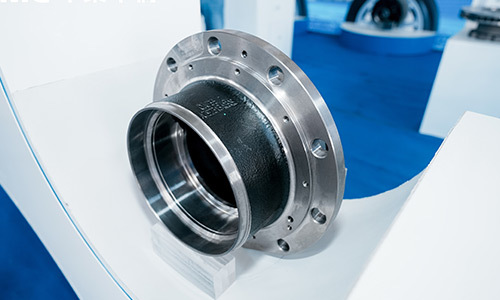



Unveiling the Secrets of Heavy Truck Wheel Hubs: What You Need to Know
Aug 19,2025
Unveiling the Secrets of Heavy Truck Wheel Hubs: What You Need to Know
Table of Contents
1. Introduction to Heavy Truck Wheel Hubs
2. Understanding the Functionality of Wheel Hubs
3. Anatomy of a Heavy Truck Wheel Hub
4. Types of Wheel Hubs Used in Heavy Trucks
5. Factors Affecting Wheel Hub Performance
6. Maintenance and Care for Heavy Truck Wheel Hubs
7. Common Issues and Troubleshooting Tips
8. The Future of Heavy Truck Wheel Hub Technology
9. Frequently Asked Questions (FAQs)
10. Conclusion
1. Introduction to Heavy Truck Wheel Hubs
Heavy truck wheel hubs serve as a critical component in the overall dynamics of a vehicle. They are the central part that connects the wheels to the axle, playing an essential role in weight distribution, stability, and safety. Understanding how these hubs operate can help truck owners make informed decisions regarding maintenance and upgrades.
2. Understanding the Functionality of Wheel Hubs
Wheel hubs are designed to facilitate the movement of the wheels while supporting the weight of the vehicle. They allow the wheels to spin freely, thus enabling smooth transportation. A well-functioning wheel hub ensures effective power transfer from the engine to the wheels, enhancing overall vehicle performance.
2.1 The Importance of Proper Alignment
Proper alignment of the wheel hub with the axle is crucial for maintaining balance and minimizing tire wear. Misalignment can lead to excessive strain on the vehicle's components, ultimately affecting fuel efficiency and safety.
3. Anatomy of a Heavy Truck Wheel Hub
A heavy truck wheel hub comprises several critical components, each designed to work cohesively.
3.1 Hub Assembly
The hub assembly includes the main body of the hub and the bearing system, which supports the wheel's rotation. It is typically made from high-strength materials to withstand heavy loads.
3.2 Bearings
Bearings enable smooth rotation of the wheel hub. They come in various types, including tapered roller bearings and ball bearings, each offering different advantages in terms of load capacity and friction.
3.3 Wheel Studs
Wheel studs are integral to securing the wheel to the hub. They must be robust enough to hold the wheel in place under high stress, and proper torque during installation is vital to ensure safety.
4. Types of Wheel Hubs Used in Heavy Trucks
There are several types of wheel hubs designed for specific applications and performance requirements.
4.1 Standard Wheel Hubs
Standard wheel hubs are typically used in most heavy trucks and are designed for general usage. They balance durability and cost-effectiveness.
4.2 Heavy-Duty Wheel Hubs
Heavy-duty wheel hubs are engineered for trucks that carry excessive loads or operate in harsh environments. They feature reinforced materials and advanced bearing systems for increased reliability and longevity.
4.3 Modular Wheel Hubs
Modular wheel hubs are designed for ease of maintenance and replacement. They allow for quick part swaps without full hub replacement, making them popular among fleet operators.
5. Factors Affecting Wheel Hub Performance
Several factors can impact the performance of heavy truck wheel hubs.
5.1 Load Capacity
Each wheel hub has a specified load capacity, which should not be exceeded. Overloading can cause premature wear or catastrophic failure.
5.2 Environmental Conditions
Operating in extreme temperatures, corrosive environments, or off-road conditions can significantly affect wheel hub integrity. Regular inspections are necessary for vehicles operating under such conditions.
5.3 Maintenance Practices
Proper maintenance routines, including lubrication and inspections, are vital for ensuring wheel hub longevity. Neglect can lead to significant issues down the line.
6. Maintenance and Care for Heavy Truck Wheel Hubs
Maintaining your heavy truck wheel hubs is essential for safety and performance.
6.1 Regular Inspections
Conducting regular inspections can help identify signs of wear and potential issues before they escalate. Look for signs of rust, cracks, or abnormal noises during operation.
6.2 Lubrication
Proper lubrication of the bearings is critical. Ensure that the bearings are adequately greased according to manufacturer specifications to minimize friction and wear.
6.3 Professional Servicing
Engaging with professional mechanics for routine servicing ensures specialized knowledge and tools are utilized, enhancing the maintenance process.
7. Common Issues and Troubleshooting Tips
While wheel hubs are generally robust, certain issues can arise that require troubleshooting.
7.1 Noise During Operation
Unusual noises while driving may signal bearing wear or damage. Immediate inspection should be conducted to prevent further damage.
7.2 Vibration
Excessive vibration can indicate misalignment or imbalance. A thorough check of the wheel hub alignment is necessary to address this issue effectively.
7.3 Overheating
Overheating of the wheel hub can result from poor lubrication or excessive loads. Monitoring hub temperatures is essential, especially during heavy-duty operations.
8. The Future of Heavy Truck Wheel Hub Technology
Advancements in technology are continuously shaping the future of heavy truck wheel hubs.
8.1 Smart Wheel Hub Systems
Emerging smart technologies are enabling wheel hubs to integrate sensors that monitor performance in real-time. This technology can provide alerts for maintenance needs, enhancing safety and reliability.
8.2 Improved Materials
The development of lighter yet stronger composite materials will likely revolutionize wheel hub construction, leading to enhanced fuel efficiency and performance.
9. Frequently Asked Questions (FAQs)
What is the average lifespan of a heavy truck wheel hub?
The average lifespan can vary based on usage and maintenance, but typically ranges from 100,000 to 150,000 miles.
How often should I inspect my truck's wheel hubs?
It is advisable to inspect wheel hubs at least every 10,000 miles or during routine maintenance checks.
Can I replace wheel hubs myself?
While some experienced individuals may choose to replace wheel hubs themselves, it is generally recommended to seek professional assistance to ensure proper installation and safety.
What signs indicate a failing wheel hub?
Common signs include noise during operation, vibrations, and overheating. If you notice these symptoms, an inspection is necessary.
Are heavy-duty wheel hubs worth the investment?
Yes, for trucks operating under heavy load conditions, heavy-duty wheel hubs provide better durability and performance, making them a valuable investment.
10. Conclusion
In conclusion, understanding the intricacies of heavy truck wheel hubs is paramount for any truck owner or mechanic. From recognizing the importance of maintenance to staying informed about technological advancements, knowledge in this area can lead to enhanced safety and performance. Investing time and resources into proper care and understanding of wheel hubs not only prolongs their lifespan but also ensures the overall reliability of heavy trucks on the road.
PREVIOUS:
Contact Us
E-mail:
Whatsapp:
Address:
West Section of Xuesong Road, Zhumadian City, Henan Province, China
News Update

Contact Us
Tel: +86-396-3678889 / 3678891
E-mail: cimchjzz@cimc.com
Address: West Section of Xuesong Road, Zhumadian City, Henan Province, China


Copyright © Zhumadian CIMC Huajun Casting Co., Ltd.
Powered by :www.300.cn Supported IPV6 Privacy Agreement