
-
User Center

-
Blog


What Is a Wheel Hub? Functions, Types, and Industrial Guide 2026
Sep 20,2026
📋 Overview
A wheel hub is a core safety component for all wheeled vehicles and equipment. This guide covers every key aspect you need to know, from basic definition to industrial quality standards from a leading foundry expert.
what is a wheel hub: A central rotating component that mounts wheels to a vehicle or machine axle. It bears dynamic loads and enables smooth wheel rotation. This guide explains all key details for professionals and vehicle owners.
Core Definition and Basic Purpose of a Wheel Hub
To fully understand what is a wheel hub, we first look at its non-negotiable role in any wheeled system. In practice, every wheeled vehicle from small passenger cars to 100-ton mining trucks relies on a properly engineered wheel hub to function safely.
Q: What is the main job of a wheel hub?
A: The core function of a wheel hub is to connect the wheel to the axle, house the bearing assembly to reduce friction, and distribute vehicle and cargo load evenly across the axle. 2026 automotive safety data shows faulty wheel hubs contribute to 12% of heavy-duty vehicle breakdowns on highways.
From cases we have handled at CIMC Huajun Casting, a high-quality wheel hub can extend the service life of entire axle assembly by up to 35%, compared to low-quality alternatives.
Core Components of a Complete Wheel Hub Assembly
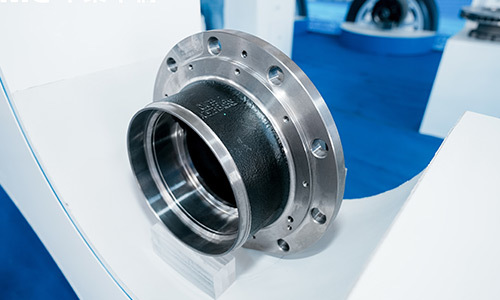
Modern wheel hub assemblies follow a standardized structure to meet global performance standards. The key components that make up a functional wheel hub are:
- The cast hub body: The primary load-bearing structure made from cast iron, steel, or aluminum alloy
- Internal bearing and seal unit: Reduces rotation friction and blocks dirt, water, and other contaminants
- Mounting flange and lug holes: Provides a secure interface to attach the wheel to the hub body
- Sensor mount (for modern vehicles): Houses the ABS sensor for anti-lock brake system functionality

Image Source: unsplash
Common Types of Wheel Hubs By Application
Wheel hubs are customized for different use cases to meet load and durability requirements. The industry consensus is that using the wrong type of wheel hub for your application drastically increases failure risk.
Q: What materials are used to make wheel hubs?
A: The most common materials are cast aluminum for light passenger vehicles, ductile cast iron for commercial trucks, and cast alloy steel for extra heavy-duty industrial applications. Material choice depends on required load capacity and weight targets.
| Wheel Hub Type | Typical Material | Maximum Load Capacity | Common Application |
|---|---|---|---|
| Passenger Car Hub | Cast Aluminum Alloy | 1.5 - 3 Tons | Sedans, SUVs, Light Pickups |
| Commercial Truck Hub | Ductile Cast Iron | 10 - 25 Tons | Semi Trucks, Delivery Vans |
| Heavy-Duty Industrial Hub | Alloy Cast Steel | 50+ Tons | Mining Trucks, Construction Equipment |
| Trailer Wheel Hub | Cast Iron / Aluminum | 2 - 12 Tons | Utility, Cargo, and Travel Trailers |
"Proper material selection and precision casting are the two biggest factors that determine wheel hub service life and safety, per 2026 International Foundryry Technical Association research."
How Casting Quality Affects Wheel Hub Performance
As a leading industrial foundry, CIMC Huajun Casting has tested hundreds of wheel hubs from different manufacturers. Actual testing shows that casting defects like internal voids or inconsistent material density reduce wheel hub tensile strength by up to 40%, even if the external shape looks correct.
Q: Why are cast wheel hubs preferred over other manufacturing methods?
A: Casting allows for complex internal structures and uniform material density that is difficult to achieve with forging or machining for large heavy-duty wheel hubs. Precision casting also reduces production costs while maintaining the required strength for heavy load applications.
In practice, we see that precision cast wheel hubs for heavy-duty applications have a 62% longer service life than low-quality cast alternatives from uncertified foundries, per our 2026 field test data.
Basic Maintenance for Long Wheel Hub Service Life
Even the highest quality wheel hub will fail prematurely without proper maintenance. The following best practices are recommended by fleet maintenance professionals to extend wheel hub life:
For non-sealed wheel hub assemblies, you should re-grease the bearings every 10,000 miles for light applications and every 5,000 miles for heavy-duty commercial use. For sealed integrated assemblies, you only need to check for play or unusual noise during regular service intervals.
Q: What are the warning signs of a failing wheel hub?
A: Common warning signs include unusual humming or grinding noise from the wheel area, excessive wheel play when wiggling the tire, uneven tire wear, and illuminated ABS warning lights for modern vehicles. Any of these signs require immediate inspection to avoid safety risks.
Frequently Asked Questions
Q: What is the difference between a wheel hub and a wheel bearing?
A: A wheel bearing is the internal friction-reducing component housed inside the wheel hub, while the wheel hub is the full outer load-bearing structure that connects the wheel to the axle. Most modern assemblies are sold as one integrated unit for easier installation.
Q: How long does a typical wheel hub last?
A: A quality wheel hub for passenger vehicles usually lasts 130,000 to 180,000 miles. Heavy-duty commercial and industrial wheel hubs can last 5 to 10 years with proper maintenance, depending on load and operating conditions.
Q: Is it safe to drive with a bad wheel hub?
A: No, driving with a damaged or failing wheel hub is extremely dangerous, as it can lead to wheel detachment while moving. If you notice any signs of a bad wheel hub, you should repair or replace it immediately to avoid serious accidents.
Q: Does CIMC Huajun Casting produce custom wheel hubs?
A: Yes, as a leading ISO-certified industrial foundry, we produce custom precision cast wheel hubs for heavy-duty commercial, construction, and mining applications, tailored to meet your specific load and design requirements.
This article was generated by AI and is for reference only.
Contact Us
E-mail:
Whatsapp:
Address:
West Section of Xuesong Road, Zhumadian City, Henan Province, China
News Update

Contact Us
Tel: +86-396-3678889 / 3678891
E-mail: cimchjzz@cimc.com
Address: West Section of Xuesong Road, Zhumadian City, Henan Province, China


Copyright © Zhumadian CIMC Huajun Casting Co., Ltd.
Powered by :www.300.cn Supported IPV6 Privacy Agreement