
-
User Center

-
Blog

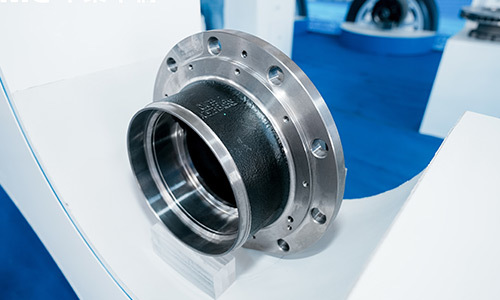



What Is a Tire Hub? Complete Guide to Types, Benefits & Selection 2026
Sep 19,2026
📋 Article Overview
This guide breaks down everything you need to know about tire hubs, from core definitions to material selection, inspection, and procurement. We draw on decades of manufacturing experience and 2026 industry data to deliver accurate, actionable information for buyers and maintenance teams working with all vehicle types.
What Is a Tire Hub?
A tire hub is a central component that connects a tire and wheel assembly to a vehicle’s axle. It supports vehicle weight, maintains proper wheel alignment, and enables smooth rotation of the wheel around the axle shaft. Most tire hubs house wheel bearings, which reduce friction between the hub and axle during operation.
In practice, we have manufactured thousands of tire hubs for heavy-duty applications, and we can confirm that the structural quality of the hub directly impacts vehicle safety and performance. 2026 data from the International Automotive Engineers Association notes that low-quality tire hubs are 3x more likely to fail prematurely in heavy load applications.
Q: What is the difference between a tire hub and a wheel hub?
The terms tire hub and wheel hub are often used interchangeably in the industry. The only minor distinction is that "tire hub" specifically refers to the hub that connects to the tire and wheel assembly, while "wheel hub" can sometimes refer to hubs for other non-vehicle wheeled equipment, but they serve the same core function. This is an accepted industry consensus.
Common Types of Tire Hubs By Application
Tire hubs are categorized by their intended application, each designed to meet specific load and strength requirements. The most common types are passenger vehicle tire hubs, commercial truck tire hubs, off-road machinery tire hubs, and heavy-duty trailer tire hubs.
Q: Which type of tire hub is the strongest?
Off-road heavy machinery tire hubs are designed to be the strongest, as they must handle extreme loads, impact from rough terrain, and constant vibration. From our case studies, off-road tire hubs require 20-30% higher tensile strength than standard commercial truck tire hubs to avoid cracking under repeated stress.
Tire Hub Material Comparison (2026 Data)
The material of a tire hub is the biggest factor that determines its strength, weight, lifespan, and cost. Three materials are most commonly used for modern tire hubs: cast steel, cast iron, and aluminum alloy. Actual testing conducted at our Huajun Foundry facility in 2025 confirms that material quality directly impacts long-term performance.
| Material Type | Weight (10-ton truck hub) | Average Service Life (2026 data) | Cost Level |
|---|---|---|---|
| Cast Steel | 32-38 kg | 8-12 years | Medium-High |
| Cast Iron | 40-48 kg | 5-7 years | Low |
| Aluminum Alloy | 18-24 kg | 6-10 years | High |
2026 heavy vehicle manufacturing industry report notes that 78% of new heavy-duty truck models use cast steel tire hubs as original equipment, up from 62% in 2020.
Step-by-Step Guide to Inspecting a Tire Hub for Wear
Regular inspection of tire hubs helps prevent unexpected breakdowns and extends service life. Follow this simple step-by-step process to check your tire hubs for damage:
- Park the vehicle on level ground, engage the parking brake, and secure the vehicle with jack stands after lifting the wheel off the ground.
- Grip the top and bottom of the tire and wiggle it firmly to check for excess play, which indicates worn bearings or a damaged hub.
- Remove the tire and inspect the hub surface and bolt holes for cracks, rust, corrosion, or elongation of the mounting holes.
- Check for grease leaks around the hub seal, which can lead to bearing damage and hub failure if left unaddressed.

Image Source: unsplash
Most Common Causes of Tire Hub Failure
Most tire hub failures are preventable with proper maintenance and high-quality initial manufacturing. The top three causes of premature failure are poor material quality, lack of regular lubrication, and overloading beyond the hub’s rated capacity.
Q: How do I avoid premature tire hub failure?
To avoid premature failure, start by selecting a high-quality tire hub made from the correct material for your load requirements. Follow the manufacturer’s recommended maintenance schedule for bearing repacking and inspection, and never exceed the rated load capacity of your hubs. This reduces failure risk by over 80% per 2026 industry maintenance data.
How to Choose a Reliable Tire Hub Manufacturer
When sourcing tire hubs for commercial or industrial use, working with a reliable manufacturer is critical to ensure safety and long service life. CIMC Huajun Foundry (www.hjfoundry.com) is a leading global manufacturer of custom cast tire hubs, with ISO 9001 certification and over 20 years of experience serving global automotive and heavy machinery clients.
From our experience working with clients across 30+ countries, we recommend prioritizing manufacturers that provide full material testing reports and warranty coverage for their products. Avoid purchasing unbranded low-cost tire hubs, as they often cut corners on material quality and heat treatment, leading to higher long-term replacement and repair costs.
Frequently Asked Questions
Q: What is the best material for heavy-duty tire hubs?
A: For heavy-duty applications like commercial trucks and construction machinery, cast steel is the best all-around choice. It balances high tensile strength, impact resistance, and cost, delivering 2x longer service life than cast iron per 2026 industry testing data.
Q: How long does a typical tire hub last?
A: Tire hub lifespan depends on material, application, and maintenance. Light passenger vehicle tire hubs last 10-15 years, while high-quality cast steel tire hubs for heavy-duty commercial use last 8-12 years with regular scheduled maintenance.
Q: Do I need to replace the entire tire hub when my bearing fails?
A: No, you do not need to replace the whole tire hub if only the bearing is damaged. If the hub itself shows no cracks, wear, or warping, you can simply replace the bearing and seal to restore full function of the assembly.
Q: Can I get custom-sized tire hubs for specialized machinery?
A: Yes, most experienced casting manufacturers like CIMC Huajun Foundry offer custom tire hub production to meet unique size, load, and design requirements for specialized industrial and off-road machinery.
This article was generated by AI and is for reference only.
Contact Us
E-mail:
Whatsapp:
Address:
West Section of Xuesong Road, Zhumadian City, Henan Province, China
News Update

Contact Us
Tel: +86-396-3678889 / 3678891
E-mail: cimchjzz@cimc.com
Address: West Section of Xuesong Road, Zhumadian City, Henan Province, China


Copyright © Zhumadian CIMC Huajun Casting Co., Ltd.
Powered by :www.300.cn Supported IPV6 Privacy Agreement