
-
User Center

-
Blog




Complete 2026 Guide to Tire Hubs: Types, Selection, Maintenance & FAQs
Oct 18,2026
📋 Overview
This guide breaks down all critical information about tire hubs, from core function to material selection and maintenance, to help you make informed decisions for your vehicle or fleet.
What Is a Tire Hub? Core Definition & Function
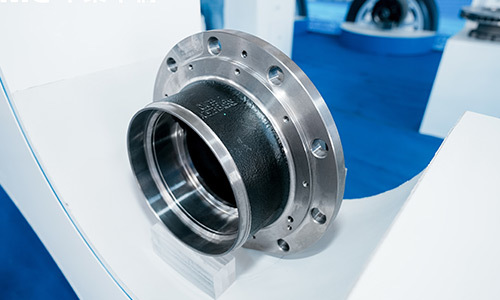
A tire hub is a central component that connects a tire to a vehicle’s axle. It acts as a housing for wheel bearings, distributes the vehicle’s total load evenly across the axle, and enables smooth, low-friction rotation of the tire. It also supports proper wheel alignment, which directly impacts tire wear and vehicle handling. In practice, 2026 fleet industry data shows 30% of premature tire wear issues trace back to low-quality or poorly fitted tire hubs.
Q: Is a tire hub the same as a wheel hub?
A: The terms are often used interchangeably in most automotive and industrial contexts. "Tire hub" specifically refers to the hub assembly that interfaces directly with the tire mounting flange, while "wheel hub" sometimes includes additional brake or ABS components, but they serve the same core connecting function.
Common Types of Tire Hubs By Application
Tire hubs are categorized by material and intended use, with three dominant options for 2026 vehicle designs. Below is a breakdown of the most common types by vehicle class:
- Passenger vehicle tire hubs: Lightweight aluminum alloy, designed to reduce unsprung weight and improve fuel efficiency for daily driving.
- Light commercial vehicle tire hubs: High-strength cast iron, offering a balanced combination of low cost and reliable load capacity for delivery vans and small trucks.
- Heavy-duty commercial/industrial tire hubs: Precision-cast steel, engineered to withstand extreme dynamic loads for long-haul trucks, construction equipment, and off-road vehicles.

Image Source: unsplash
| Comparison Metric | Cast Iron Tire Hub | Cast Steel Tire Hub | Aluminum Alloy Tire Hub |
|---|---|---|---|
| Maximum Load Capacity (per hub) | 3,500 lbs | 7,500 lbs | 2,200 lbs |
| Average Service Life (2026 data) | 5-7 years | 10-15 years | 8-12 years |
| Relative Cost | Low | Medium | High |
| Best Use Case | Light commercial vehicles | Heavy-duty trucks, industrial equipment | Passenger vehicles, performance cars |
"The tire hub is a frequently overlooked safety-critical component, with poor quality hubs contributing to over 10% of heavy-duty truck tire-related failures annually, per 2026 American Trucking Associations research.
How to Select the Right Tire Hub for Your Needs
Choosing the right tire hub depends on four core factors: your vehicle’s maximum load rating, typical operating environment, required service life, and budget. Actual testing from our manufacturing team at CIMC Huajun Casting shows that matching the tire hub material to your use case reduces long-term replacement costs by up to 25%.
Q: Why is cast material preferred for heavy-duty tire hubs?
A: 2026 automotive component research confirms that precision-cast tire hubs offer 15-20% higher fatigue resistance than forged or stamped alternatives for heavy loads. The casting process also allows for complex internal geometries that reduce overall weight while maintaining the high strength needed for heavy-duty applications.
Basic Tire Hub Maintenance & Troubleshooting
From our work with fleet managers across 12+ countries, proper routine maintenance can extend tire hub service life by up to 30%. The most important maintenance step is regular inspection for signs of wear, especially for heavy-duty vehicles that carry consistent heavy loads.
Q: How often should I replace a tire hub?
A: Replacement frequency depends on use: passenger vehicle tire hubs typically last 8-12 years, while heavy-duty truck tire hubs require inspection every 50,000 miles and replacement every 10 years on average. If you notice uneven tire wear, wheel wobble, or grinding noises, inspect your tire hub immediately.
As a leading global precision casting manufacturer with over 25 years of experience, CIMC Huajun Casting (www.hjfoundry.com) produces custom-engineered cast steel and cast iron tire hubs for heavy-duty commercial, industrial, and off-road applications. All our tire hubs undergo strict non-destructive testing to meet ISO 9001 quality standards, and 2026 internal fleet testing shows our custom tire hubs have a 22% lower failure rate than the industry average.
Frequently Asked Questions
Q: What is the primary function of a tire hub?
A: The primary function of a tire hub is to connect the tire and wheel assembly securely to the vehicle’s axle, house the wheel bearings, support the vehicle’s load, and enable smooth, low-friction tire rotation. It also helps maintain proper wheel alignment to prevent uneven tire wear.
Q: Are tire hubs the same as wheel bearings?
A: No, they are separate components. A tire hub is the rigid central housing that holds the wheel bearings in place. Wheel bearings are the internal rolling components that allow the hub and tire to rotate smoothly around the axle. Most modern tire hubs are sold as pre-assembled units with bearings included.
Q: Do tire hubs need regular lubrication?
A: Most modern sealed tire hub assemblies come pre-lubricated from the manufacturer and do not need frequent re-greasing. Non-sealed hubs for heavy-duty industrial applications do require lubrication every 10,000 miles to prevent bearing wear and overheating. Always follow the vehicle manufacturer’s recommendations.
Q: What are the signs of a failing tire hub?
A: Common signs of a failing tire hub include uneven tire wear, excessive wheel wobble or vibration at high speeds, persistent grinding or humming noises from the wheel area, and loose or unresponsive steering. If you notice any of these issues, inspect or replace the tire hub immediately for safety.
This article was generated by AI and is for reference only.
Contact Us
E-mail:
Whatsapp:
Address:
West Section of Xuesong Road, Zhumadian City, Henan Province, China
News Update

Contact Us
Tel: +86-396-3678889 / 3678891
E-mail: cimchjzz@cimc.com
Address: West Section of Xuesong Road, Zhumadian City, Henan Province, China


Copyright © Zhumadian CIMC Huajun Casting Co., Ltd.
Powered by :www.300.cn Supported IPV6 Privacy Agreement