
-
User Center

-
Blog

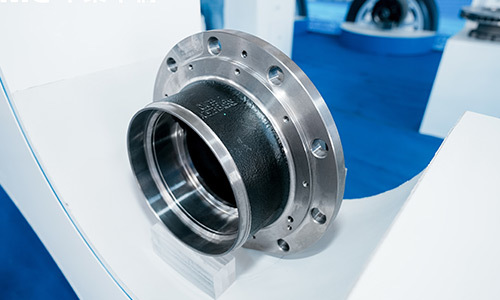


The Evolution of Brake Drum Materials Over the Years: A Comprehensive Analysis
Sep 22,2026
The Evolution of Brake Drum Materials Over the Years
Table of Contents
1. Introduction to Brake Drum Technology
2. Historical Overview of Brake Drum Materials
2.1. The Early Years: Cast Iron Brake Drums
2.2. Transition to Lighter Materials
3. The Importance of Material Properties in Brake Drums
3.1. Strength and Durability
3.2. Heat Dissipation and Thermal Stability
4. Modern Brake Drum Materials: Advancements and Innovations
4.1. Composite Materials: The Future of Brake Drums
4.2. The Role of Technology in Material Development
5. Environmental Considerations in Brake Drum Material Selection
5.1. Sustainability and Recyclability
5.2. The Push for Eco-Friendly Alternatives
6. Performance Metrics: Evaluating Brake Drum Materials
6.1. Safety Standards and Regulations
6.2. Real-World Performance Testing
7. Frequently Asked Questions (FAQs)
8. Conclusion: The Future of Brake Drum Materials
1. Introduction to Brake Drum Technology
Brake drums play a critical role in the operation of a vehicle's braking system, providing the necessary friction to slow down and stop the vehicle. As automotive technology has evolved, so too have the materials used in brake drum manufacturing. This article aims to explore the historical development of brake drum materials, the factors influencing their evolution, and the future trends shaping their design and functionality.
2. Historical Overview of Brake Drum Materials
The materials used in brake drums have undergone significant changes over the decades, driven by advancements in automotive technology, safety requirements, and consumer expectations.
2.1. The Early Years: Cast Iron Brake Drums
In the early days of automotive engineering, brake drums were predominantly made from cast iron. This choice was due to cast iron's excellent strength-to-weight ratio, durability, and resistance to wear. While cast iron brake drums served their purpose adequately, they had significant drawbacks, including excessive weight and poor heat dissipation properties. As vehicle speeds increased and performance demands grew, the limitations of cast iron became increasingly apparent.
2.2. Transition to Lighter Materials
The late 20th century marked a turning point in brake drum materials. The automotive industry began to explore alternatives that offered improved performance without compromising safety. Aluminum alloys started to gain popularity due to their lightweight nature, which contributed to enhanced fuel efficiency and better handling. However, aluminum's susceptibility to deformation under high heat conditions limited its widespread adoption.
3. The Importance of Material Properties in Brake Drums
When selecting materials for brake drums, several critical properties must be considered to ensure optimal performance and safety.
3.1. Strength and Durability
The primary function of a brake drum is to withstand the immense forces generated during braking. Therefore, materials must exhibit high tensile strength and durability to prevent failure under heavy use. Advanced materials must also resist wear over time to maintain braking efficiency.
3.2. Heat Dissipation and Thermal Stability
Effective heat dissipation is essential to prevent brake fade, which can compromise braking performance. Materials with high thermal conductivity can dissipate heat more efficiently, maintaining their structural integrity even after repeated braking. This characteristic is critical for performance vehicles that generate substantial heat during operation.
4. Modern Brake Drum Materials: Advancements and Innovations
As technology advances, so do the materials used in brake drum manufacturing. The modern landscape features a variety of options that offer enhanced performance and safety.
4.1. Composite Materials: The Future of Brake Drums
One of the most significant advancements in brake drum technology is the introduction of composite materials. These materials combine fibers such as carbon or fiberglass with resins to create lightweight, high-strength components. Composite brake drums offer excellent heat resistance and are less prone to expansion under high temperatures, making them ideal for high-performance applications.
4.2. The Role of Technology in Material Development
Innovations in manufacturing processes, such as 3D printing and advanced composite molding techniques, have enabled engineers to create brake drums with complex geometries that optimize performance. These technologies allow for precise control over material properties, resulting in enhanced performance characteristics tailored to specific vehicle requirements.
5. Environmental Considerations in Brake Drum Material Selection
As the automotive industry shifts towards sustainability, the environmental impact of brake drum materials is becoming increasingly important.
5.1. Sustainability and Recyclability
Manufacturers are now focusing on using materials that are not only high-performing but also sustainable and recyclable. The push for the circular economy in automotive manufacturing aims to reduce waste and promote the reuse of materials, which is crucial for minimizing environmental impact.
5.2. The Push for Eco-Friendly Alternatives
Research into eco-friendly brake drum materials, such as biodegradable composites and recycled metals, is gaining traction. These alternatives aim to reduce the environmental footprint of brake components while still meeting safety and performance standards.
6. Performance Metrics: Evaluating Brake Drum Materials
Performance is a critical factor when assessing brake drum materials. Various metrics can help determine the suitability of a material for use in brake drums.
6.1. Safety Standards and Regulations
Brake drum materials must comply with stringent safety regulations. Manufacturers often conduct rigorous testing to ensure that materials can withstand extreme conditions and perform reliably under various driving scenarios.
6.2. Real-World Performance Testing
In addition to laboratory tests, real-world performance evaluations are essential to understanding how brake drum materials perform under actual driving conditions. This testing provides valuable insights into longevity, wear patterns, and overall effectiveness, guiding future material development.
7. Frequently Asked Questions (FAQs)
1. What are the most common materials used in brake drums today?
The most common materials include cast iron, aluminum alloys, and advanced composites designed for high performance.
2. How do brake drum materials affect vehicle performance?
The choice of material impacts weight, heat dissipation, and overall braking efficiency, which can significantly affect vehicle handling and safety.
3. Are composite brake drums safer than traditional materials?
Yes, composite brake drums often offer improved heat resistance and structural integrity, enhancing safety during high-performance driving.
4. What are the environmental impacts of brake drum materials?
The environmental impact varies by material; traditional materials like cast iron can have a larger carbon footprint, while innovative composites aim to reduce waste and promote recycling.
5. How does temperature affect brake drum performance?
Temperature can influence material properties, leading to issues like brake fade or deformation. Materials must be designed to withstand high temperatures without losing effectiveness.
8. Conclusion: The Future of Brake Drum Materials
The evolution of brake drum materials highlights the automotive industry's commitment to enhancing safety, performance, and sustainability. As technology continues to advance, we anticipate further innovations that will redefine brake drum design and materials. By understanding the complexities and ongoing developments in this area, we can appreciate the critical role that brake drums play in ensuring the safety and efficiency of our vehicles. The future of brake drum materials looks promising, with exciting developments on the horizon that will continue to elevate automotive performance and environmental responsibility.
PREVIOUS:
Contact Us
E-mail:
Whatsapp:
Address:
West Section of Xuesong Road, Zhumadian City, Henan Province, China
News Update

Contact Us
Tel: +86-396-3678889 / 3678891
E-mail: cimchjzz@cimc.com
Address: West Section of Xuesong Road, Zhumadian City, Henan Province, China


Copyright © Zhumadian CIMC Huajun Casting Co., Ltd.
Powered by :www.300.cn Supported IPV6 Privacy Agreement