
-
User Center

-
Blog



How to Identify High-Quality Brake Drums for Your Car: A Comprehensive Guide
Aug 03,2026
How to Identify High-Quality Brake Drums for Your Car
Table of Contents
- Understanding Brake Drums: An Overview
- The Importance of Quality Brake Drums for Safe Driving
- Key Features of High-Quality Brake Drums
- Material Quality and Composition
- Design and Engineering Considerations
- Brand Reputation and Reliability
- Signs That Your Brake Drums Need Replacement
- How to Choose the Best Brake Drums for Your Vehicle
- Maintenance Tips for Brake Drums
- Frequently Asked Questions (FAQ)
Understanding Brake Drums: An Overview
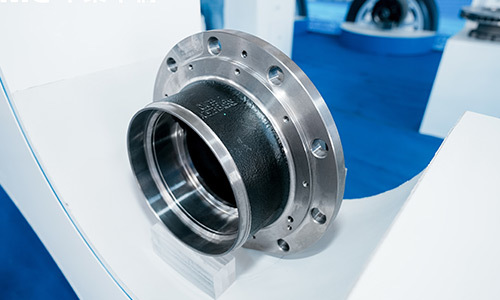
Brake drums are a crucial component of your car's braking system. They work in conjunction with brake shoes to slow down or stop your vehicle by converting kinetic energy into heat. When you press the brake pedal, hydraulic pressure forces the brake shoes against the inner surface of the brake drum, creating friction. This friction is what ultimately brings your vehicle to a halt.
High-quality brake drums are essential for optimal braking performance. They should be made from durable materials that can withstand the heat generated during braking while providing consistent and reliable stopping power.
The Importance of Quality Brake Drums for Safe Driving
Investing in high-quality brake drums is not just about performance; it’s about safety. Inferior brake drums can lead to reduced braking efficiency, longer stopping distances, and even complete brake failure in extreme cases. High-quality brake drums ensure that your vehicle stops promptly and reliably, providing peace of mind during your drives.
Additionally, quality brake drums can improve the longevity of the entire braking system. They reduce wear and tear on other components, such as brake shoes and rotors, ultimately saving you money on repairs and replacements in the long run.
Key Features of High-Quality Brake Drums
When selecting brake drums, it is vital to consider several key features that indicate their quality.
Material Quality and Composition
The materials used in the manufacturing of brake drums significantly impact their performance and durability. High-quality brake drums are typically made from cast iron or aluminum alloys. Cast iron is favored for its heat dissipation properties, while aluminum drums are lightweight and resistant to corrosion.
Additionally, look for brake drums that have been treated with protective coatings to enhance their durability and resistance to rust. This treatment can prolong the life of the brake drums, ensuring they perform optimally over time.
Design and Engineering Considerations
The design of the brake drum also plays a crucial role in its performance. High-quality brake drums feature precision engineering that allows for consistent and even wear. This design not only enhances the drum’s lifespan but also improves the overall effectiveness of the braking system.
Drums should be machined with tight tolerances to ensure a perfect fit with the brake shoes. This fit reduces the likelihood of vibrations and noise during braking, contributing to a smoother driving experience.
Brand Reputation and Reliability
Opting for reputable brands known for their quality can make a significant difference in your selection process. Brands that specialize in braking components often provide extensive testing data, warranties, and customer support. Research brands that are well-regarded in the automotive industry for their commitment to quality and safety.
Additionally, consider reading reviews and testimonials from other car owners. First-hand experiences can provide insights into the performance and reliability of various brake drums.
Signs That Your Brake Drums Need Replacement
Recognizing the signs of worn-out brake drums is essential for maintaining your vehicle's safety. Some common indicators include:
- **Decreased braking performance**: If your car takes longer to stop or feels less responsive, it may be time to inspect the brake drums.
- **Unusual noises**: Grinding, squealing, or thumping sounds when braking often indicate worn brake shoes or damaged drums.
- **Vibrations during braking**: If you feel vibrations in the brake pedal or steering wheel, it could be a sign of warping or uneven wear in the brake drums.
- **Visible damage**: Inspect the brake drums visually. Any cracks, deep grooves, or discoloration may necessitate replacement.
Regular inspections and maintenance can help catch these issues early, ensuring your brake system remains in optimal condition.
How to Choose the Best Brake Drums for Your Vehicle
Selecting the right brake drums involves more than just picking a brand. Here are steps you can take to ensure you make the best choice.
Ensuring Compatibility with Your Vehicle
Before purchasing brake drums, verify that they are compatible with your vehicle's make, model, and year. Manufacturers provide specifications that help ensure you select the correct part. Utilizing online resources or consulting with a professional can streamline this process.
When to Seek Professional Assistance
If you are uncertain about your ability to select the right brake drums or perform the installation, seeking professional assistance is advisable. Certified mechanics can provide expert insights and ensure that the drums are installed correctly, maximizing their performance and safety.
Maintenance Tips for Brake Drums
To prolong the life of your brake drums and ensure they perform at their best, consider implementing the following maintenance tips:
- **Regular inspections**: Check your brake system at least once a year or every 12,000 miles for signs of wear or damage.
- **Brake fluid checks**: Ensure that your brake fluid levels are adequate, as low fluid can affect braking performance.
- **Keep brakes clean**: Dirt and debris can accumulate on brake components, leading to premature wear. Clean your brake system regularly to remove contaminants.
- **Drive cautiously**: Avoid sudden stops and aggressive driving, which can lead to faster wear on your brake drums.
Maintaining your brake system not only enhances safety but also ensures that your vehicle operates efficiently.
Frequently Asked Questions (FAQ)
**Q1: How often should I replace my brake drums?**
A: Brake drums typically need replacement every 30,000 to 70,000 miles, but this can vary based on driving conditions and habits.
**Q2: Can I replace brake drums myself?**
A: Yes, if you have mechanical experience, replacing brake drums can be a DIY task. However, if you're unsure, consult a professional.
**Q3: What is the cost of high-quality brake drums?**
A: Prices vary based on the brand and vehicle compatibility. On average, brake drums can range from $50 to $200 each.
**Q4: How do I know if my brake drums are of good quality?**
A: Look for reputable brands, read reviews, and check for features such as material quality, design, and warranties.
**Q5: What happens if I ignore worn brake drums?**
A: Ignoring worn brake drums can lead to decreased braking efficiency, increased stopping distances, and potential brake failure, posing serious safety risks.
Conclusion
Identifying high-quality brake drums for your vehicle is essential for ensuring both safety and performance. By understanding the key features, recognizing the signs of wear, and following proper maintenance practices, you can enhance your driving experience and prolong the life of your braking system. Always prioritize quality over cost, as investing in reliable brake drums is an investment in your vehicle's safety and performance. Choose wisely, and your car will thank you with safer and more efficient stops.
Contact Us
E-mail:
Whatsapp:
Address:
West Section of Xuesong Road, Zhumadian City, Henan Province, China
News Update

Contact Us
Tel: +86-396-3678889 / 3678891
E-mail: cimchjzz@cimc.com
Address: West Section of Xuesong Road, Zhumadian City, Henan Province, China


Copyright © Zhumadian CIMC Huajun Casting Co., Ltd.
Powered by :www.300.cn Supported IPV6 Privacy Agreement