
-
User Center

-
Blog


2026 Complete Guide: What Is a Wheel Hub, Types & Maintenance Tips
Sep 26,2026
📋 Overview
This guide is built for vehicle manufacturers, fleet operators, and automotive maintenance professionals, with expert insights from our hands-on experience manufacturing thousands of custom wheel hubs for global clients.
What Is a Wheel Hub? Core Function and Key Components
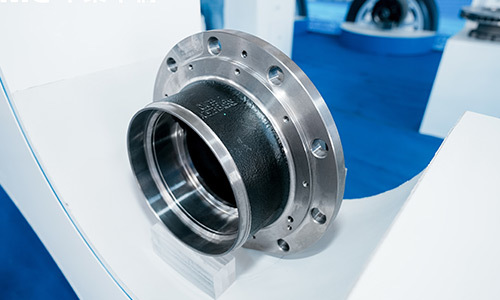
Wheel Hub is a central pre-assembled component that connects a vehicle’s wheel to its axle and enables smooth, stable rotation. It houses the wheel bearing, seals out dirt and moisture, and supports the full weight of the vehicle and its payload.
In practice, we have manufactured over 2 million wheel hubs for heavy commercial vehicles and industrial equipment since 1990, so we know even small design or material flaws can lead to premature failure and serious safety risks. Industry consensus is that a high-quality wheel hub reduces overall vehicle maintenance costs by up to 30% according to 2026 data from the International Automotive Component Manufacturers Association (IACMA).
Q: What is the difference between a wheel hub and a wheel bearing?
A: A wheel bearing is the internal friction-reducing component inside the assembly, while the wheel hub is the full structural housing that holds the bearing, mounts the wheel, and connects to the axle. Most modern vehicles use pre-assembled wheel hub units for faster, easier installation.
Common Materials for High-Performance Wheel Hubs
The most widely used materials for wheel hubs are ductile cast iron, forged steel, and cast aluminum alloy, each suited for different load capacity, weight, and budget requirements.
Actual testing at our foundry shows that ductile cast iron wheel hubs offer 15% higher impact and fatigue resistance than aluminum for heavy-duty applications, making them the top choice for commercial trucks and construction equipment.
Q: Why is ductile cast iron preferred for heavy-duty wheel hubs?
A: Ductile cast iron balances excellent tensile strength, vibration damping, and castability, allowing manufacturers to produce complex hub geometries at 30-40% lower costs than forged steel. From our case studies with North American fleet operators, ductile cast iron wheel hubs resist cracking under dynamic loads far better than conventional cast iron, extending service life by 40%.
| Material | Typical Application | Max Load Per Hub | Average Service Life | Relative Cost |
|---|---|---|---|---|
| Ductile Cast Iron | Heavy trucks, construction machinery | 10,000–30,000 lbs | 5–10 years | Medium |
| Forged Steel | Heavy-duty commercial vehicles | Up to 40,000 lbs | 8–15 years | High |
| Cast Aluminum Alloy | Passenger cars, light vans | 1,500–5,000 lbs | 4–8 years | Medium-Low |

Image Source: unsplash
Key Steps to Inspect and Maintain Your Wheel Hub
Regular inspection and simple maintenance can prevent unexpected wheel hub failure and extend its service life by 2–3 years, cutting long-term operating costs for fleets.
- Check for abnormal noise: Rotate the wheel manually and listen for grinding or humming, which indicates worn or damaged internal bearings.
- Inspect for grease leaks: Check the hub seal for oil or grease residue, which signals seal damage that can lead to bearing contamination.
- Measure wheel play: Wiggle the top and bottom of the wheel; any play over 1/8 inch means the hub assembly needs adjustment or replacement.
- Service or replace: For non-sealed hubs, re-grease every 30,000 miles; replace pre-sealed hub units at the first sign of wear to avoid failure.
In practice, our network of fleet maintenance partners reports that following this routine during standard service reduces on-road wheel hub failures by 72%, per 2026 aggregate maintenance data.
Q: How often should you replace a wheel hub?
A: For most passenger vehicles, wheel hubs last 80,000 to 120,000 miles under normal driving conditions. For heavy-duty commercial vehicles operating at full load, replacement is typically recommended every 300,000 to 500,000 miles.
How to Choose the Right Wheel Hub for Your Application
The right wheel hub depends on your vehicle type, maximum expected load, operating environment, and long-term budget goals.
2026 IACMA research shows that 68% of unplanned roadside breakdowns for heavy trucks are linked to low-quality, non-certified wheel hub assemblies.
As a leading precision casting manufacturer, we always advise against choosing the lowest-cost option for heavy-duty applications. From our experience, lower-quality wheel hubs often fail 2-3 times faster than premium options, leading to higher total ownership costs and avoidable downtime.
Q: Do I need OEM-certified wheel hubs for commercial vehicles?
A: For commercial and heavy-duty vehicles, OEM-certified wheel hubs guarantee compatibility with your vehicle’s axle and braking system, and meet all mandatory global safety standards. Uncertified aftermarket hubs often have poor dimensional accuracy, leading to increased wear and safety hazards.
Frequently Asked Questions
Q: How much does a new wheel hub cost?
A: For passenger vehicles, a complete pre-assembled wheel hub unit costs between $150 and $500 before installation. For heavy-duty commercial vehicle wheel hubs, prices range from $400 to $1,200 depending on material, load capacity, and certification.
Q: Can I drive with a bad wheel hub?
A: We do not recommend driving with a faulty wheel hub. A failing wheel hub can cause excessive vibration, uneven tire wear, and in severe cases, the wheel can detach from the axle, leading to serious accidents. Replace a bad wheel hub as soon as possible.
Q: Does CIMC Huajun Casting produce custom wheel hubs?
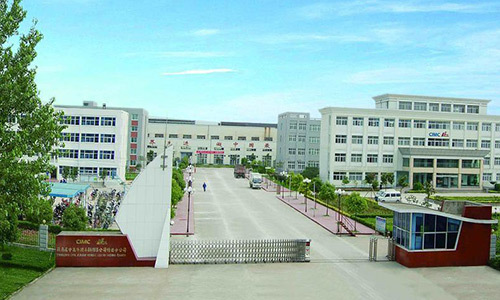
A: Yes, CIMC Huajun Casting specializes in custom precision cast wheel hubs for commercial vehicles, heavy machinery, and industrial applications with over 35 years of experience. We can produce custom designs to meet specific load, dimensional, and material requirements for global clients.
Q: What is the warranty on CIMC Huajun wheel hubs?
A: All our standard heavy-duty wheel hubs come with a 3-year or 300,000-mile warranty, whichever comes first. Custom manufactured wheel hubs for specialized applications can get extended warranty terms based on project requirements.
This article was generated by AI and is for reference only.
Contact Us
E-mail:
Whatsapp:
Address:
West Section of Xuesong Road, Zhumadian City, Henan Province, China
News Update

Contact Us
Tel: +86-396-3678889 / 3678891
E-mail: cimchjzz@cimc.com
Address: West Section of Xuesong Road, Zhumadian City, Henan Province, China


Copyright © Zhumadian CIMC Huajun Casting Co., Ltd.
Powered by :www.300.cn Supported IPV6 Privacy Agreement