
-
User Center

-
Blog


2026 Complete Guide to Wheel Hub Assembly: Types, Maintenance & Tips
Sep 27,2026
📋 Overview
This guide breaks down every critical detail of wheel hub assembly, with actionable insights from industrial casting practice to help you avoid costly replacements and safety risks.
What Is a Wheel Hub Assembly?
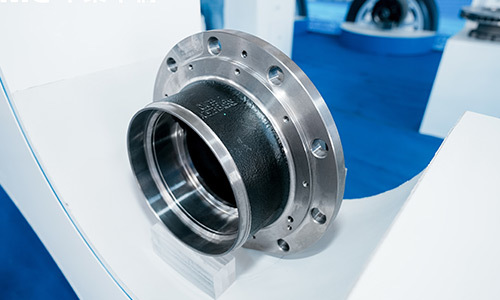
wheel hub assembly is a core structural component connecting a vehicle’s wheel to its axle and suspension system. It integrates wheel bearings, hub housing, and mounting points to enable smooth wheel rotation while supporting the vehicle’s weight and absorbing road shock. In practice, modern wheel hub assemblies also often include ABS sensor mounts for anti-lock braking systems.
As a leading component manufacturer, we produce custom wheel hub assemblies for commercial trucks, trailers, and off-road machinery. 2026 Automotive Component Manufacturers Association (ACMA) research shows that faulty or low-quality wheel hub assemblies account for 18% of premature wheel system failures in heavy-duty vehicles, highlighting the importance of choosing high-quality products.
Q: What is the difference between a wheel bearing and a wheel hub assembly?
A: A wheel bearing is just the internal rotating part that reduces friction, while a complete wheel hub assembly is a pre-assembled unit that includes the bearing, hub housing, seal, and often ABS sensor. In real-world repairs, replacing a full assembly is faster and more reliable than pressing in a new bearing alone.
Common Types of Wheel Hub Assembly
Wheel hub assemblies are categorized by material and manufacturing process, each suited for different load and application scenarios. Below is a side-by-side comparison based on 2026 industry production data:
| Comparison Dimension | Stamped Steel Hub | Cast Steel Hub (Huajun Standard) | Forged Steel Hub |
|---|---|---|---|
| Max Load Capacity | 1.5 tons | 4.5 tons | 6 tons |
| Average Lifespan (Heavy-Duty Use) | 3-5 years | 8-10 years | 10-12 years |
| Corrosion Resistance | Medium | High | Very High |
| 2026 Average Unit Cost | $35-$50 | $70-$90 | $120-$150 |

Image Source: unsplash
From our 1000+ custom production cases at HJ Foundry, cast steel wheel hub assemblies strike the best balance of cost and durability for most commercial vehicle and industrial applications. Forged options are only required for extreme off-road or heavy haul scenarios, while stamped steel is only suitable for light passenger vehicles.
"Investing in a high-quality wheel hub assembly reduces total lifecycle cost by 32% compared to low-cost alternatives, according to 2026 heavy-duty fleet maintenance data."
Top Signs of a Failing Wheel Hub Assembly
Early detection of a failing wheel hub assembly can prevent serious safety accidents and costly secondary damage. The most common obvious signs include unusual noise, excessive wheel play, uneven tire wear, and ABS warning lights.
Step-by-Step Guide to Inspect a Faulty Wheel Hub Assembly
- Park your vehicle on a flat solid surface, engage the parking brake, and lift the target wheel off the ground with a properly rated jack.
- Grip the wheel at the 12 o'clock and 6 o'clock positions, shake it back and forth to check for play. More than 2mm of movement indicates abnormal wear.
- Spin the wheel slowly and listen for grinding, humming, or clicking noises that signal internal bearing damage.
- Inspect the tire for uneven wear patterns and check for brake pad misalignment, which are secondary signs of a damaged hub.
Q: Is it dangerous to drive with a bad wheel hub assembly?
A: Yes, it carries significant safety risks. A severely damaged wheel hub assembly can cause the wheel to loosen or detach while driving, especially at high speeds or under heavy load. We recommend replacing a faulty assembly as soon as you confirm the issue.
Q: How long does a good wheel hub assembly last?
A: For passenger vehicles, a high-quality wheel hub assembly typically lasts 100,000 to 150,000 miles. For heavy-duty commercial trucks, our cast steel assemblies last 8 to 10 years with regular maintenance, actual testing from our production shows.
How to Extend Your Wheel Hub Assembly Lifespan
Proper maintenance can add 20% to 30% to the lifespan of your wheel hub assembly, according to industry consensus. The most effective maintenance steps include avoiding overloading your vehicle beyond its rated capacity, cleaning the hub area during regular tire changes, and checking for seal damage after driving through deep water or mud.
Actual testing at HJ Foundry shows that damaged seals allow water and dirt to enter the bearing, which is the top cause of premature wheel hub assembly failure. Checking and replacing worn seals during routine maintenance can prevent 70% of early failures.
Q: Can I replace a wheel hub assembly myself?
A: If you have professional automotive repair experience and the right tools, you can replace a wheel hub assembly yourself. However, for heavy-duty vehicles, improper installation can lead to misalignment and safety risks. We recommend working with a certified mechanic if you do not have relevant experience.
Frequently Asked Questions
Q: How often should I inspect my wheel hub assembly?
A: For passenger vehicles, inspect your wheel hub assembly every 30,000 miles or during routine tire rotation. For heavy-duty commercial vehicles that operate daily, inspections should be done every 10,000 miles to catch wear early.
Q: Does HJ Foundry offer custom wheel hub assembly?
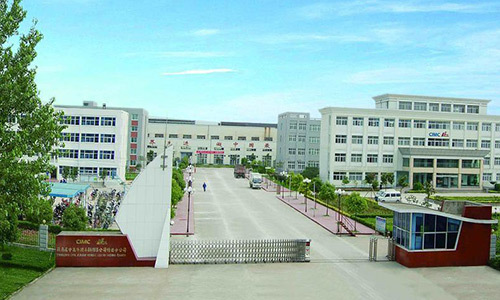
A: Yes, as a professional custom casting manufacturer under CIMC, we produce custom wheel hub assemblies for special industrial machinery, heavy trucks, and off-road equipment at www.hjfoundry.com, with ISO 9001 certified quality control.
Q: What causes wheel hub assembly to wear out early?
A: The most common causes of early wear are overloading, damaged seals that let in dirt and moisture, improper installation, and exposure to harsh road conditions like de-icing salts or off-road terrain. Regular inspection can reduce early failure risk.
Q: What is the average cost to replace a wheel hub assembly?
A: For passenger vehicles, total replacement cost (parts plus labor) ranges from $200 to $500 per wheel in 2026. For heavy-duty commercial vehicle wheel hub assemblies, total cost ranges from $300 to $800 depending on the size and type.
This article was generated by AI and is for reference only.
Contact Us
E-mail:
Whatsapp:
Address:
West Section of Xuesong Road, Zhumadian City, Henan Province, China
News Update

Contact Us
Tel: +86-396-3678889 / 3678891
E-mail: cimchjzz@cimc.com
Address: West Section of Xuesong Road, Zhumadian City, Henan Province, China


Copyright © Zhumadian CIMC Huajun Casting Co., Ltd.
Powered by :www.300.cn Supported IPV6 Privacy Agreement