
-
User Center

-
Blog
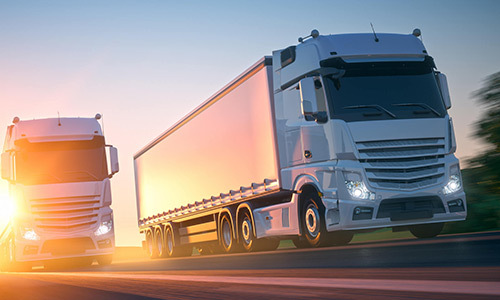
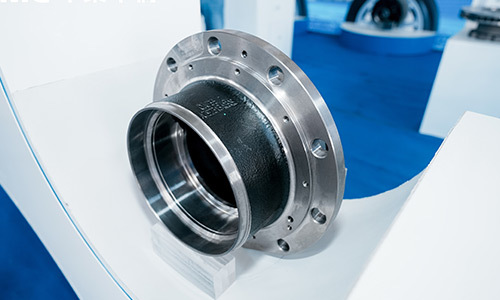

The Unmatched Advantages of Ductile Iron in Truck Wheel Hubs: The Future of Durability and Performance
Dec 05,2025
The Unmatched Advantages of Ductile Iron in Truck Wheel Hubs
Introduction: The Importance of Wheel Hubs in Truck Performance
Truck wheel hubs play a pivotal role in the overall functionality and performance of heavy-duty vehicles. As the connection point between the axle and the wheel, they bear significant loads and are subject to various stresses during operation. The materials used in the construction of wheel hubs significantly impact their durability, weight, and capability to withstand harsh driving conditions. One material that has emerged as a game-changer in this regard is ductile iron.
In this article, we will explore the **advantages of using ductile iron in truck wheel hubs**. We will examine how this innovative material enhances performance, promotes safety, and offers long-term economic benefits.
Table of Contents
- What is Ductile Iron?
- Unmatched Strength and Flexibility
- Corrosion Resistance and Longevity
- Weight Considerations: Balancing Strength and Efficiency
- The Manufacturing Process of Ductile Iron
- Cost-Effectiveness of Ductile Iron Wheel Hubs
- Safety Implications of Using Ductile Iron
- The Future of Ductile Iron in the Trucking Industry
- FAQs
- Conclusion
What is Ductile Iron?
Ductile iron, also known as nodular cast iron, is a type of cast iron that has been treated to increase its ductility. Unlike traditional cast iron, which is brittle and prone to cracking, ductile iron’s unique microstructure allows it to absorb energy and deform without breaking. This property makes ductile iron an ideal candidate for use in high-stress applications, such as truck wheel hubs.
The improved performance of ductile iron results from its spherical graphite structures. These structures enhance the alloy's mechanical properties, providing **excellent tensile strength**, **yield strength**, and **impact resistance**.
Unmatched Strength and Flexibility
One of the primary advantages of ductile iron in truck wheel hubs is its exceptional strength-to-weight ratio. The material offers a level of strength that rivals many steel alloys while being significantly lighter. This balance allows for the production of wheel hubs that can support heavy loads without adding unnecessary weight to the vehicle.
Additionally, ductile iron's inherent flexibility plays a crucial role in its performance. Unlike more rigid materials, ductile iron can withstand impact and stress without succumbing to fractures. This flexibility reduces the risk of failure under extreme conditions, thereby enhancing the reliability of the truck’s performance.
Corrosion Resistance and Longevity
Corrosion is a significant concern in the trucking industry, particularly for components exposed to moisture, road salts, and harsh environments. Ductile iron offers superior corrosion resistance compared to traditional cast iron and many steel alloys. This resistance not only contributes to the longevity of wheel hubs but also reduces the need for frequent replacements and maintenance.
The longevity of ductile iron wheel hubs means that trucking companies can reduce their overall operating costs. With less frequent replacements and maintenance, businesses can allocate their resources more efficiently.
Weight Considerations: Balancing Strength and Efficiency
The weight of truck components directly impacts fuel efficiency and performance. Ductile iron’s strength allows for the creation of lighter wheel hubs without compromising structural integrity. Lighter hubs contribute to reduced overall vehicle weight, which can translate to improved fuel economy.
In an industry where fuel costs can be substantial, the ability to optimize weight can lead to significant savings over time. Trucking companies that adopt ductile iron wheel hubs can benefit from enhanced efficiency without sacrificing performance.
The Manufacturing Process of Ductile Iron
Producing ductile iron involves several intricate steps that ensure the material's unique properties. The process begins with the melting of iron and the addition of alloys, such as magnesium, which influences the formation of spherical graphite.
Once the iron reaches the desired temperature, it is poured into molds to create the required shapes. After cooling, the ductile iron undergoes various heat treatments to enhance its mechanical properties further.
The precision in the manufacturing process of ductile iron ensures that the final products, such as wheel hubs, meet stringent quality and performance standards demanded by the trucking industry.
Cost-Effectiveness of Ductile Iron Wheel Hubs
While the initial cost of ductile iron wheel hubs may be slightly higher than traditional materials, the long-term benefits outweigh this expense. The durability and longer lifespan of ductile iron components result in lower maintenance and replacement costs, making it a wise investment for trucking companies.
Moreover, the fuel efficiency gained from lighter wheel hubs can lead to substantial savings, further justifying the upfront investment. As such, ductile iron is increasingly recognized as a cost-effective solution in the trucking industry.
Safety Implications of Using Ductile Iron
Safety is paramount in the trucking industry, and using materials that enhance safety features is crucial. Ductile iron's ability to absorb shock and resist cracking under stress significantly contributes to the safety of truck operations.
Wheel hubs made from ductile iron provide greater reliability in critical situations, such as sudden stops or rough terrain. The material's superior performance reduces the risk of wheel hub failure, ultimately leading to safer driving conditions for truck operators and other road users.
The Future of Ductile Iron in the Trucking Industry
As the demand for more efficient and durable materials continues to rise in the trucking industry, ductile iron is positioned to play a significant role in future innovations. Ongoing research and development efforts aim to enhance the properties of ductile iron further, leading to even more advanced applications in truck components.
The growing emphasis on sustainability in manufacturing also aligns with the benefits of ductile iron, which can be recycled and reused, minimizing environmental impact. As the industry evolves, ductile iron will likely remain a cornerstone material in the pursuit of performance and reliability.
FAQs
1. What are the primary benefits of using ductile iron for truck wheel hubs?
The primary benefits include enhanced strength and flexibility, superior corrosion resistance, reduced weight, and increased safety and longevity of wheel hubs.
2. How does ductile iron compare to traditional cast iron?
Ductile iron is much more flexible and durable than traditional cast iron, which is prone to brittleness and cracking.
3. What is the manufacturing process for ductile iron?
The manufacturing process involves melting iron, adding alloys like magnesium to form spherical graphite, pouring into molds, and undergoing heat treatments to enhance properties.
4. Is ductile iron cost-effective for trucking companies?
Yes, despite a potentially higher initial cost, the durability and performance benefits lead to lower maintenance and replacement costs, making it a cost-effective choice.
5. Will ductile iron continue to be used in the future of trucking?
Yes, ongoing advancements in ductile iron technology and its sustainability benefits suggest it will play an important role in the future of the trucking industry.
Conclusion
The advantages of using ductile iron in truck wheel hubs are compelling. From unmatched strength and flexibility to superior corrosion resistance and weight efficiency, ductile iron presents a transformative opportunity for the trucking industry. The cost-effectiveness and safety implications further solidify its position as an essential material for modern truck design.
As we look to the future, the continued development and implementation of ductile iron technology will undoubtedly enhance truck performance, reliability, and safety, ultimately pushing the boundaries of what is possible in heavy-duty transportation.
PREVIOUS:
Contact Us
E-mail:
Whatsapp:
Address:
West Section of Xuesong Road, Zhumadian City, Henan Province, China
News Update

Contact Us
Tel: +86-396-3678889 / 3678891
E-mail: cimchjzz@cimc.com
Address: West Section of Xuesong Road, Zhumadian City, Henan Province, China


Copyright © Zhumadian CIMC Huajun Casting Co., Ltd.
Powered by :www.300.cn Supported IPV6 Privacy Agreement