
-
User Center

-
Blog

The Advantages of Ductile Iron Truck Wheel Hubs in Automotive Applications
Nov 28,2025
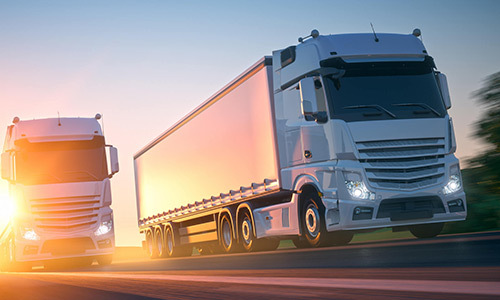
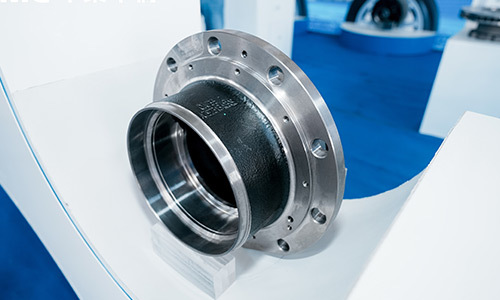
In the automotive and parts industry, particularly in the drive systems segment, the choice of materials for components such as wheel hubs is critical. One material that has gained considerable attention is ductile iron. Ductile iron, also known as nodular cast iron, is renowned for its unique combination of properties, making it an excellent choice for truck wheel hubs.
The primary advantage of ductile iron is its remarkable tensile strength and ductility. Unlike traditional cast iron, which can be brittle, ductile iron is engineered to withstand significant stress without fracturing. This characteristic is especially vital for truck wheel hubs, which are subject to high loads and forces during operation. The ability to absorb shocks and vibrations contributes to the overall stability and performance of the vehicle, reducing the likelihood of wheel hub failure.
Another significant benefit of ductile iron is its fatigue resistance. Truck wheel hubs are often subjected to repetitive stress cycles as vehicles navigate various terrains. The fatigue resistance of ductile iron ensures that the wheel hubs can endure these cycles over an extended period, leading to lower maintenance costs and enhanced reliability. Additionally, the material’s excellent wear resistance contributes to its longevity, making it a cost-effective option in the long run.
Ductile iron also exhibits superior machinability, allowing for precise manufacturing processes. This quality is crucial for ensuring that wheel hubs meet stringent specifications and tolerances required for optimal performance. With advancements in casting techniques, manufacturers can produce ductile iron wheel hubs with intricate designs and lightweight features, further improving vehicle efficiency.
Furthermore, ductile iron’s corrosion resistance is another factor that enhances its appeal in the automotive sector. Wheel hubs are often exposed to harsh environmental conditions, including moisture and road salts, which can lead to rust and degradation. The inherent properties of ductile iron help mitigate these risks, ensuring that wheel hubs maintain their structural integrity over time.
In conclusion, the use of ductile iron in truck wheel hubs presents a multitude of benefits that cater to the demands of modern automotive applications. Its combination of strength, ductility, fatigue resistance, machinability, and corrosion resistance positions it as a superior choice for manufacturers in the automotive and parts industry. By investing in ductile iron wheel hubs, companies can enhance their product offering, improve vehicle performance, and ultimately provide a safer and more reliable driving experience for consumers. As the industry continues to evolve, the adoption of advanced materials like ductile iron will play a crucial role in shaping the future of automotive components.
The primary advantage of ductile iron is its remarkable tensile strength and ductility. Unlike traditional cast iron, which can be brittle, ductile iron is engineered to withstand significant stress without fracturing. This characteristic is especially vital for truck wheel hubs, which are subject to high loads and forces during operation. The ability to absorb shocks and vibrations contributes to the overall stability and performance of the vehicle, reducing the likelihood of wheel hub failure.
Another significant benefit of ductile iron is its fatigue resistance. Truck wheel hubs are often subjected to repetitive stress cycles as vehicles navigate various terrains. The fatigue resistance of ductile iron ensures that the wheel hubs can endure these cycles over an extended period, leading to lower maintenance costs and enhanced reliability. Additionally, the material’s excellent wear resistance contributes to its longevity, making it a cost-effective option in the long run.
Ductile iron also exhibits superior machinability, allowing for precise manufacturing processes. This quality is crucial for ensuring that wheel hubs meet stringent specifications and tolerances required for optimal performance. With advancements in casting techniques, manufacturers can produce ductile iron wheel hubs with intricate designs and lightweight features, further improving vehicle efficiency.
Furthermore, ductile iron’s corrosion resistance is another factor that enhances its appeal in the automotive sector. Wheel hubs are often exposed to harsh environmental conditions, including moisture and road salts, which can lead to rust and degradation. The inherent properties of ductile iron help mitigate these risks, ensuring that wheel hubs maintain their structural integrity over time.
In conclusion, the use of ductile iron in truck wheel hubs presents a multitude of benefits that cater to the demands of modern automotive applications. Its combination of strength, ductility, fatigue resistance, machinability, and corrosion resistance positions it as a superior choice for manufacturers in the automotive and parts industry. By investing in ductile iron wheel hubs, companies can enhance their product offering, improve vehicle performance, and ultimately provide a safer and more reliable driving experience for consumers. As the industry continues to evolve, the adoption of advanced materials like ductile iron will play a crucial role in shaping the future of automotive components.
Contact Us
E-mail:
Whatsapp:
Address:
West Section of Xuesong Road, Zhumadian City, Henan Province, China
News Update

Contact Us
Tel: +86-396-3678889 / 3678891
E-mail: cimchjzz@cimc.com
Address: West Section of Xuesong Road, Zhumadian City, Henan Province, China


Copyright © Zhumadian CIMC Huajun Casting Co., Ltd.
Powered by :www.300.cn Supported IPV6 Privacy Agreement