
-
User Center

-
Blog

Why Choose Ductile Iron for Your Truck Wheel Hub Manufacturing?
Nov 21,2025
Why Choose Ductile Iron for Your Truck Wheel Hub Manufacturing?
Introduction to Ductile Iron in Truck Manufacturing
Ductile iron, also known as nodular cast iron, has gained significant popularity in the automotive industry, particularly for truck wheel hub manufacturing. This material is renowned for its remarkable mechanical properties, making it an ideal choice for components that require both strength and durability. As truck manufacturers strive for enhanced performance and safety, understanding the advantages of ductile iron becomes crucial.
The Properties of Ductile Iron
Ductile iron possesses a unique microstructure that contributes to its superior characteristics. Unlike traditional cast iron, ductile iron is designed to exhibit higher tensile strength and greater elongation. Here, we delve into the key properties that make ductile iron an exceptional material for truck wheel hubs:
1. Strength and Durability
One of the primary reasons for selecting ductile iron is its impressive strength-to-weight ratio. This material can withstand substantial loads and impacts, making it suitable for the rigors of truck operations. Its durability ensures that wheel hubs remain intact even under extreme conditions, providing reliability and safety.
2. Corrosion Resistance
Ductile iron is inherently resistant to corrosion, thanks to its unique composition. This resistance is critical for truck wheel hubs, which frequently encounter various environmental factors, including moisture, salt, and road debris. By choosing ductile iron, manufacturers can ensure longer-lasting performance and reduced maintenance costs.
3. Enhanced Fatigue Resistance
The fatigue resistance of ductile iron is another factor that makes it a smart choice for truck wheel hubs. Vehicles often experience cyclic loading conditions, which can lead to material fatigue over time. Ductile iron's ability to endure repeated stress without succumbing to failure is essential for maintaining vehicle integrity.
4. High Impact Resistance
Ductile iron can absorb shocks and impacts more efficiently than other materials. This characteristic is vital for truck wheel hubs, which may encounter rough terrains and obstacles on the road. The high impact resistance of ductile iron ensures that the wheel hub can handle sudden forces without fracturing.
Applications of Ductile Iron in Truck Wheel Hubs
The applications of ductile iron extend beyond wheel hubs, but its use in this context highlights its benefits effectively. Truck manufacturers have begun utilizing ductile iron for various components, including:
1. Wheel Hubs
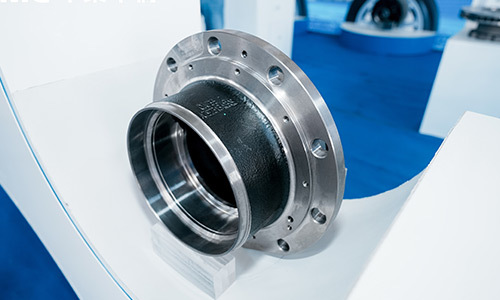
As the primary focus of this article, ductile iron wheel hubs offer superior performance in terms of strength and safety. The ability to withstand heavy loads while providing smooth rotation makes ductile iron an unparalleled choice for truck wheel hub manufacturing.
2. Brake Components
Ductile iron is commonly used in brake components due to its ability to handle high temperatures and resist wear. This application ensures that braking systems remain reliable and efficient in demanding situations.
3. Suspension Components
In suspension systems, ductile iron provides the necessary strength and flexibility required for optimal performance. Its shock-absorbing properties contribute to a smoother ride and improved handling.
Comparing Ductile Iron to Other Materials
While ductile iron stands out for its unique properties, it is essential to compare it with other materials commonly used in truck manufacturing. This comparison provides a clearer understanding of why ductile iron is often the preferred choice.
1. Traditional Cast Iron
Traditional cast iron lacks the flexibility and tensile strength that ductile iron offers. While cast iron is still used in some applications, it is more prone to cracking under stress, making it less suitable for high-performance truck components.
2. Aluminum Alloys
Aluminum alloys are lighter than ductile iron, but they often lack the same level of strength and durability. For heavy-duty applications such as truck wheel hubs, ductile iron outperforms aluminum by providing enhanced resistance to impacts and fatigue.
3. Steel
Steel is known for its strength; however, it can be heavier and more susceptible to corrosion compared to ductile iron. The ability of ductile iron to resist corrosion while maintaining excellent mechanical properties makes it a more advantageous option for long-term use.
Manufacturing Process of Ductile Iron Wheel Hubs
Understanding the manufacturing process of ductile iron wheel hubs sheds light on the quality of the final product. The process generally involves the following steps:
1. Melting and Alloying
The first step in producing ductile iron involves melting raw materials, including iron and alloying elements such as magnesium. The addition of magnesium is crucial for forming the nodular graphite structure that characterizes ductile iron.
2. Pouring and Casting
Once the iron is melted, it is poured into molds to create the desired shape of the wheel hub. The casting process is carefully controlled to ensure uniform thickness and avoid defects.
3. Heat Treatment
Heat treatment is performed to enhance the mechanical properties of the ductile iron. This process may include processes such as annealing or quenching to improve strength and toughness.
4. Machining and Finishing
After the cast wheel hubs have cooled, they undergo machining to achieve precise dimensions and surface finishes. This step is essential for ensuring compatibility with other truck components.
Benefits of Choosing Ductile Iron for Truck Wheel Hubs
Manufacturers and truck operators alike can benefit from choosing ductile iron for wheel hub manufacturing. Here are several advantages that make this material a top contender:
1. Cost-Effectiveness
While ductile iron may have a higher initial cost compared to some alternatives, its durability and lower maintenance requirements lead to long-term savings. Fewer replacements and repairs translate to reduced operational costs over time.
2. Enhanced Safety
Safety is paramount in the trucking industry, and ductile iron contributes significantly to it. The material's strength and impact resistance help prevent failures that could lead to accidents, ensuring the safety of both drivers and cargo.
3. Versatility
Ductile iron can be easily molded into complex shapes, allowing for versatile designs that meet various performance requirements. This adaptability makes it suitable for different types of trucks and applications.
4. Sustainability
Ductile iron is recyclable, making it an environmentally friendly choice for truck wheel hub manufacturing. By selecting ductile iron, manufacturers contribute to sustainable practices within the industry.
Frequently Asked Questions (FAQs)
1. What is ductile iron?
Ductile iron is a type of cast iron characterized by its high tensile strength, ductility, and toughness. It is produced by adding small amounts of magnesium to molten iron, which alters its microstructure.
2. Why is ductile iron preferred for truck wheel hubs?
Ductile iron is preferred for truck wheel hubs due to its strength, durability, corrosion resistance, and ability to withstand high impacts, making it ideal for heavy-duty applications.
3. How does ductile iron compare to traditional cast iron?
Ductile iron offers superior strength and flexibility compared to traditional cast iron, making it less prone to cracking and more suitable for high-performance applications.
4. Can ductile iron be recycled?
Yes, ductile iron is recyclable, making it an environmentally friendly choice for manufacturing processes.
5. What are the applications of ductile iron besides wheel hubs?
In addition to wheel hubs, ductile iron is used in brake components, suspension systems, and various other automotive and industrial applications due to its excellent mechanical properties.
Conclusion
In summary, choosing ductile iron for truck wheel hub manufacturing offers a plethora of advantages that enhance performance, safety, and durability. Its unique properties, including strength, corrosion resistance, and fatigue resilience, make it a superior choice compared to traditional materials such as cast iron, aluminum alloys, and steel. As the trucking industry continues to evolve, the importance of selecting high-quality materials like ductile iron cannot be overstated. By investing in ductile iron wheel hubs, manufacturers and truck operators can ensure the longevity and reliability of their vehicles, ultimately contributing to safer and more efficient transportation systems.
PREVIOUS:
Contact Us
E-mail:
Whatsapp:
Address:
West Section of Xuesong Road, Zhumadian City, Henan Province, China
News Update

Contact Us
Tel: +86-396-3678889 / 3678891
E-mail: cimchjzz@cimc.com
Address: West Section of Xuesong Road, Zhumadian City, Henan Province, China


Copyright © Zhumadian CIMC Huajun Casting Co., Ltd.
Powered by :www.300.cn Supported IPV6 Privacy Agreement