
-
User Center

-
Blog



Understanding the Importance of Heavy Truck Front Wheel Hubs: Key Insights for Optimal Performance
Nov 07,2025
Understanding the Importance of Heavy Truck Front Wheel Hubs
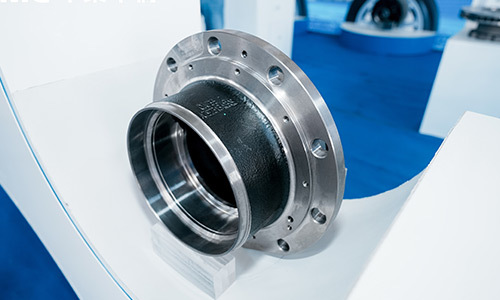
Heavy truck front wheel hubs are vital components that play a crucial role in the overall performance and safety of heavy vehicles. These mechanical parts house the wheel bearings and are responsible for connecting the wheel to the axle, allowing the wheels to rotate smoothly while supporting the truck’s weight. Understanding their importance goes beyond mere function; it can significantly impact safety, efficiency, and the longevity of the vehicle.
The Function of Heavy Truck Front Wheel Hubs
Heavy truck front wheel hubs serve multiple functions that are essential for optimal vehicle performance. Let's delve into their primary roles:
1. Supporting Vehicle Weight
The front wheel hubs bear the weight of the truck, ensuring that the vehicle's structure can handle significant loads. This support is crucial for maintaining stability, especially under heavy loads.
2. Facilitating Wheel Rotation
The hubs allow the wheels to rotate freely, which is fundamental for the vehicle's movement. Smooth rotation reduces tire wear and enhances fuel efficiency, making it essential for long-distance travel.
3. Protecting Wheel Bearings
Hubs enclose and protect the wheel bearings from dirt, moisture, and debris. Keeping these components clean and lubricated is critical for their longevity and the overall performance of the truck.
4. Enhancing Safety
Well-maintained wheel hubs contribute to the safety of heavy trucks. They ensure proper alignment and stability, preventing accidents caused by wheel detachment or failure during operation.
Common Types of Heavy Truck Front Wheel Hubs
Understanding the different types of heavy truck front wheel hubs can aid in selecting the right components for your vehicle. The two primary types include:
1. Standard Hubs
Standard hubs are the most common type used in heavy trucks. They are designed for general applications and can support typical loads encountered in daily operations.
2. Heavy-Duty Hubs
Heavy-duty hubs are engineered for more demanding conditions. They are often found in trucks that operate under extreme loads and harsh environments, providing enhanced durability and performance.
Choosing the Right Front Wheel Hubs
Selecting the appropriate front wheel hubs for heavy trucks involves several considerations. **Understanding these factors will ensure that fleet managers and operators make informed decisions:**
1. Load Rating
The load rating is a critical factor. It indicates the maximum weight the hub can support without compromising safety or performance. Always choose hubs that exceed the expected load for your specific applications to ensure safety.
2. Material Quality
Hubs are typically made from various materials, including cast iron, aluminum, and composite materials. Selecting high-quality materials can enhance durability and resist wear and tear over time.
3. Compatibility
Ensure that the hubs are compatible with the truck’s axles and wheels. Mismatches can lead to improper fitment, which can compromise performance and safety.
4. Brand Reputation
Opt for reputable brands known for quality and reliability. Established manufacturers often provide warranties and customer support, which can be invaluable for fleet managers.
Maintenance of Heavy Truck Front Wheel Hubs
Regular maintenance of front wheel hubs is crucial for ensuring their longevity and optimal performance. Here are essential maintenance practices:
1. Regular Inspections
Routine inspections can help identify potential issues before they escalate. Look for signs of wear, corrosion, or damage during each inspection.
2. Lubrication
Keep the wheel bearings well-lubricated to minimize friction and wear. Use manufacturer-recommended lubricants and follow guidelines for frequency.
3. Cleaning
Regularly clean the hubs to remove dirt and debris that can compromise their function. Ensure to follow proper cleaning procedures to avoid damaging the components.
4. Replacement of Worn Components
If any parts of the hub show signs of significant wear or damage, replace them promptly. Ignoring these issues can lead to more severe problems, including wheel detachment.
Signs of Failing Front Wheel Hubs
Recognizing the signs of failing front wheel hubs is crucial for preventing accidents and ensuring vehicle safety. Here are some common indicators:
1. Unusual Noises
Listen for grinding, popping, or humming noises coming from the wheels. These sounds often indicate worn bearings or other issues within the hub.
2. Vibration While Driving
Excessive vibration while driving, especially at higher speeds, could signify a hub issue. This symptom may result from misalignment or damaged components.
3. Uneven Tire Wear
Inspect tire wear patterns. Uneven wear can indicate problems with the wheel hub, affecting tire performance and longevity.
4. Increased Play in the Wheel
Examine the wheel for play or looseness. If there is noticeable movement, it may signify that the bearings are worn out or that there is an issue with the hub.
The Economic Impact of Proper Hub Maintenance
Investing in the proper maintenance of front wheel hubs can have significant economic benefits:
1. Reduced Downtime
Proper maintenance minimizes the risk of unexpected breakdowns, reducing vehicle downtime. This can lead to increased productivity and profitability.
2. Improved Fuel Efficiency
Well-maintained hubs contribute to better fuel efficiency, lowering operational costs. Smooth wheel rotation leads to less engine strain and better mileage.
3. Extended Lifespan of Components
Regularly maintaining and replacing worn components can extend the life of the hubs and related parts. This can save money in the long run by avoiding costly repairs and replacements.
4. Enhanced Safety and Liability Reduction
Ensuring that hubs are in top condition enhances safety, reducing the risk of accidents. This can lower liability insurance costs and improve the overall reputation of a trucking company.
FAQs About Heavy Truck Front Wheel Hubs
1. What is the average lifespan of heavy truck front wheel hubs?
The average lifespan of heavy truck front wheel hubs can vary based on usage, maintenance, and materials used, but they can last anywhere from 100,000 to 300,000 miles with proper care.
2. How often should I inspect my front wheel hubs?
It is advisable to inspect front wheel hubs during regular maintenance checks, typically every 10,000 to 15,000 miles, or whenever you notice unusual signs such as noise or vibration.
3. Can I replace front wheel hubs myself?
While it is possible for experienced individuals to replace front wheel hubs, it is recommended to consult a professional mechanic to ensure proper installation and safety.
4. What are the risks of neglecting hub maintenance?
Neglecting hub maintenance can lead to severe consequences, including wheel detachment, accidents, increased repair costs, and compromised safety for drivers and others on the road.
5. Are there aftermarket options available for heavy truck front wheel hubs?
Yes, there are numerous aftermarket options for heavy truck front wheel hubs. However, it is essential to choose reputable brands to ensure quality and reliability.
Conclusion
In conclusion, heavy truck front wheel hubs are essential components that contribute significantly to the safety, performance, and longevity of heavy trucks. Understanding their functions, types, and maintenance needs is crucial for fleet managers and truck operators. By investing time and resources into proper maintenance and selecting quality components, you can enhance vehicle efficiency, reduce operational costs, and ensure the safety of drivers on the road. Ultimately, prioritizing the health of your truck's front wheel hubs will yield dividends in performance and safety for years to come.
PREVIOUS:
Contact Us
E-mail:
Whatsapp:
Address:
West Section of Xuesong Road, Zhumadian City, Henan Province, China
News Update

Contact Us
Tel: +86-396-3678889 / 3678891
E-mail: cimchjzz@cimc.com
Address: West Section of Xuesong Road, Zhumadian City, Henan Province, China


Copyright © Zhumadian CIMC Huajun Casting Co., Ltd.
Powered by :www.300.cn Supported IPV6 Privacy Agreement