
-
User Center

-
Blog




How to Choose the Right Bus Wheel Hubs for Your Fleet's Efficiency
Oct 24,2025
How to Choose the Right Bus Wheel Hubs for Your Fleet's Efficiency
When it comes to maintaining a fleet of buses, ensuring optimal performance is paramount. One of the critical components that can significantly impact your fleet's efficiency is the **wheel hub**. Choosing the right bus wheel hubs can affect everything from fuel consumption to safety and tire wear. In this comprehensive guide, we delve into the essential factors to consider when selecting wheel hubs for your buses, helping you make informed decisions for your fleet's success.
Understanding Bus Wheel Hubs and Their Importance
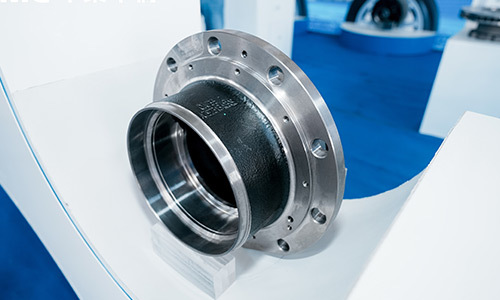
Before we explore how to choose the right bus wheel hubs, it's crucial to understand what they are and why they matter. Wheel hubs are central components of a vehicle's wheel assembly. They house the wheel bearings and allow the wheels to rotate freely while supporting the vehicle's weight. Proper functioning of the wheel hubs is vital for ensuring smooth rides, enhancing fuel efficiency, and maintaining safety.
The Role of Wheel Hubs in Fleet Performance
The performance of your bus fleet can be greatly influenced by the quality and condition of the wheel hubs. Key roles include:
1. **Weight Distribution**: Wheel hubs help distribute the weight of the bus evenly across the wheels, which is essential for stability and control.
2. **Load Management**: The right wheel hub can manage the load effectively, reducing stress on other components and extending their lifespan.
3. **Safety Assurance**: High-quality wheel hubs contribute to overall vehicle safety by ensuring wheels remain securely attached during operation.
Factors to Consider When Choosing Bus Wheel Hubs
Choosing the right bus wheel hubs involves considering multiple factors. Here are the most critical ones:
1. Compatibility with Bus Model
Each bus model may require specific wheel hub designs tailored to its weight, size, and performance specifications. Always consult your vehicle’s manual or manufacturer to ensure compatibility. This step can prevent unnecessary complications and costs down the line.
2. Material and Durability
The material used in the construction of wheel hubs is a significant determinant of their durability. Common materials include:
- **Aluminum**: Lightweight and corrosion-resistant, aluminum hubs are ideal for enhancing fuel efficiency but may not withstand heavy loads as well as steel.
- **Steel**: Known for its strength and durability, steel hubs can handle heavier loads but may add extra weight to the vehicle.
Choosing the right material is essential for balancing performance and safety.
3. Bearing Types and Quality
Wheel hubs come with different types of bearings, including:
- **Cone and Cup Bearings**: These require regular maintenance and adjustment but can provide a smooth ride.
- **Sealed Bearings**: Offering lower maintenance and better durability, sealed bearings are becoming increasingly popular in modern bus fleets.
Before making your choice, consider the maintenance resources available to your team.
4. Load Rating and Weight Capacity
Every wheel hub has a specific load rating that indicates how much weight it can safely support. It’s crucial to select hubs that match or exceed the weight requirements of your buses. Underestimating load capacities can lead to premature wear or catastrophic failures.
5. Performance and Efficiency
Different bus wheel hubs can have varying impacts on performance and efficiency. Some may prioritize fuel economy, while others may focus on maximizing payload capacity. Assess how each option aligns with your operational goals and select a hub that enhances overall fleet efficiency.
6. Maintenance and Serviceability
Consider how easy it is to maintain and service the wheel hubs you are evaluating. Frequent maintenance can drive up costs and downtime. Opt for hubs that require less frequent servicing without sacrificing performance.
Steps to Select the Best Wheel Hubs for Your Fleet
With a clear understanding of the critical factors, follow these steps to choose the right bus wheel hubs for your fleet:
Step 1: Assess Your Fleet’s Needs
Take stock of your fleet's specific needs. Evaluate factors such as usage patterns, load requirements, and the average distance traveled. Understanding these elements will help narrow down your options significantly.
Step 2: Research Manufacturer Specifications
Consult with manufacturers to review specifications for various wheel hub models. This research will provide valuable insights into load ratings, compatibility, and recommended usage conditions.
Step 3: Compare Different Models
Create a comparison chart of potential wheel hub models, focusing on:
- Compatibility
- Material
- Bearing type
- Load capacity
- Cost
This will help you visualize the advantages and disadvantages of each option, leading to a more informed decision.
Step 4: Seek Expert Advice
Don't hesitate to reach out to industry experts or experienced suppliers. Their insights can prove invaluable, providing information about the best practices and recommendations for your unique fleet situation.
Step 5: Test and Evaluate
If possible, conduct tests with different wheel hub models under real conditions. Evaluate their performance, maintenance needs, and overall contribution to fleet efficiency.
Common Mistakes to Avoid When Choosing Bus Wheel Hubs
While navigating the selection process, be mindful of common pitfalls:
1. Ignoring Compatibility
Selecting wheel hubs that are incompatible with your bus models can lead to significant safety risks and additional costs for replacements.
2. Underestimating Load Capacities
Beware of choosing hubs with insufficient load ratings. This oversight can result in premature failure and unsafe driving conditions.
3. Overlooking Maintenance Needs
Choosing hubs that require excessive maintenance can strain your resources and lead to downtime. Aim for options that balance performance and maintenance requirements effectively.
Frequently Asked Questions (FAQs)
1. What are the signs that my bus wheel hubs need replacement?
Common signs include unusual noises, vibrations while driving, uneven tire wear, or a noticeable decrease in handling and stability.
2. How often should I inspect my bus wheel hubs?
It's advisable to inspect wheel hubs every 10,000 miles or during regular maintenance checks to ensure they are functioning optimally.
3. Can I mix different types of wheel hubs on my fleet?
It's not recommended to mix different types of wheel hubs, as it can lead to uneven performance and safety issues.
4. What is the average lifespan of bus wheel hubs?
The lifespan of wheel hubs can vary based on usage and maintenance but typically ranges from 100,000 to 150,000 miles.
5. Are there any specific brands known for high-quality bus wheel hubs?
Several brands have established reputations for quality, including Timken, SKF, and Moog. It's advisable to research and consult industry reviews for the best options.
Conclusion
Selecting the right bus wheel hubs is a critical decision that can significantly impact your fleet's efficiency, safety, and overall performance. By taking the time to assess your specific needs, researching options, and avoiding common pitfalls, you can make informed choices that will enhance your fleet's operational capabilities. Remember that quality matters—investing in the right wheel hubs today will lead to long-term benefits, ensuring your buses run smoothly and efficiently for years to come.
PREVIOUS:
Contact Us
E-mail:
Whatsapp:
Address:
West Section of Xuesong Road, Zhumadian City, Henan Province, China
News Update

Contact Us
Tel: +86-396-3678889 / 3678891
E-mail: cimchjzz@cimc.com
Address: West Section of Xuesong Road, Zhumadian City, Henan Province, China


Copyright © Zhumadian CIMC Huajun Casting Co., Ltd.
Powered by :www.300.cn Supported IPV6 Privacy Agreement