
-
User Center

-
Blog


Discover the Crucial Role of Quality Bus Wheel Hubs in Ensuring Optimal Performance
Oct 14,2025
Discover the Crucial Role of Quality Bus Wheel Hubs in Ensuring Optimal Performance
Table of Contents
- Introduction to Bus Wheel Hubs
- What Are Bus Wheel Hubs?
- The Importance of Quality Wheel Hubs in Buses
- Key Factors Affecting Bus Wheel Hub Performance
- How to Choose Quality Bus Wheel Hubs
- Maintenance Best Practices for Bus Wheel Hubs
- Cost-Benefit Analysis of Quality Wheel Hubs
- Future Trends in Wheel Hub Technology
- Conclusion
- Frequently Asked Questions
Introduction to Bus Wheel Hubs
In the fast-paced world of public transportation, the reliability and efficiency of buses are paramount. At the heart of a bus's performance lies a critical component often overlooked: the wheel hub. Quality bus wheel hubs play a significant role in ensuring optimal performance, enhancing safety, and reducing operational costs. In this article, we will delve into the importance of quality wheel hubs, the factors that affect their performance, and best practices for maintenance.
What Are Bus Wheel Hubs?
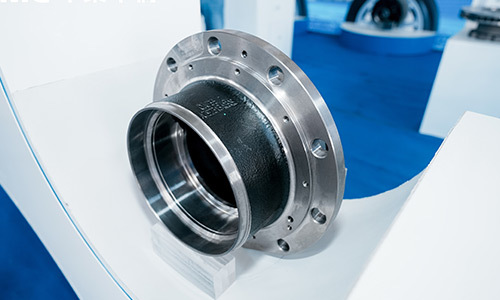
Bus wheel hubs are the central components that connect the wheel to the vehicle's axle. They facilitate the smooth rotation of the wheels, allowing for efficient motion and stability. Typically made from high-strength materials, bus wheel hubs must withstand heavy loads, harsh environments, and continuous wear and tear. Their design can significantly impact a bus's overall performance, handling, and longevity.
The Importance of Quality Wheel Hubs in Buses
Investing in high-quality bus wheel hubs is essential for several reasons:
1. Enhanced Safety
Safety is the top priority for any transportation service. Quality wheel hubs ensure that the wheels remain securely attached to the bus, preventing accidents caused by wheel detachment. Additionally, well-manufactured hubs minimize the risk of brake failure and other critical issues.
2. Improved Performance
Quality wheel hubs facilitate smooth wheel rotation, which directly impacts the vehicle's performance. They contribute to better fuel efficiency, improved handling, and increased overall speed. When wheel hubs perform optimally, they enhance the driving experience for both the operator and passengers.
3. Durability and Longevity
High-quality materials and precise engineering in wheel hub production lead to increased durability. With superior resistance to corrosion and wear, quality hubs can last longer than their cheaper counterparts, resulting in fewer replacements and lower maintenance costs over time.
Key Factors Affecting Bus Wheel Hub Performance
Several factors influence the performance of bus wheel hubs:
1. Material Quality
The choice of materials is crucial in determining a wheel hub's strength and longevity. Hubs made from high-grade steel or aluminum alloys typically offer better performance and resistance to environmental factors.
2. Manufacturing Standards
Hubs produced under rigorous quality control standards are more likely to meet safety and performance expectations. Look for hubs that adhere to international manufacturing standards for added assurance.
3. Design and Engineering
The design of a wheel hub affects its functionality. Aerodynamic designs can reduce drag while ensuring strength, while intricate engineering ensures precise fitment and ease of installation.
How to Choose Quality Bus Wheel Hubs
Selecting the right bus wheel hubs requires careful consideration:
1. Research Reputable Brands
Choose established manufacturers known for their quality and reliability. Customer reviews and industry endorsements can provide insights into a brand's reputation.
2. Verify Specifications
Ensure the wheel hubs meet the specific requirements of your bus model. Compatibility with other components is essential for optimal performance.
3. Consider Warranty and Support
Opt for manufacturers that offer warranties on their products. This not only indicates confidence in the quality but also offers peace of mind in case of defects or issues.
Maintenance Best Practices for Bus Wheel Hubs
To ensure the longevity and performance of bus wheel hubs, regular maintenance is imperative:
1. Routine Inspections
Conduct regular inspections of wheel hubs to identify early signs of wear or damage. Look for cracks, rust, or unusual wear patterns that could indicate potential problems.
2. Lubrication
Proper lubrication of bearings and moving parts within the wheel hub can reduce friction and wear, enhancing overall performance. Follow the manufacturer's guidelines for lubrication intervals and products.
3. Proper Installation
During installation, ensure that wheel hubs are fitted according to specifications. Incorrect installation can lead to premature wear and failure.
Cost-Benefit Analysis of Quality Wheel Hubs
While quality wheel hubs may come with a higher upfront cost, their long-term benefits often outweigh these expenses:
1. Reduced Maintenance Costs
Investing in quality hubs can significantly decrease maintenance costs over time. Fewer replacements and repairs lead to lower overall expenditures.
2. Enhanced Operational Efficiency
Buses fitted with high-quality hubs tend to perform better, translating into improved fuel efficiency and reduced operational costs.
3. Increased Resale Value
Buses that have been maintained with quality components, including wheel hubs, typically fetch higher resale values. This can offset initial investment costs when the vehicle is sold or traded in.
Future Trends in Wheel Hub Technology
The wheel hub industry is evolving, with innovations aimed at enhancing performance and efficiency:
1. Smart Wheel Hubs
Emerging technologies are leading to the development of smart wheel hubs equipped with sensors. These devices can monitor performance in real-time, alerting operators to potential issues before they become serious problems.
2. Eco-Friendly Materials
As the focus on sustainability increases, manufacturers are exploring environmentally friendly materials for wheel hub production. This shift not only reduces the carbon footprint but also appeals to eco-conscious consumers.
3. Advanced Manufacturing Techniques
Technology-driven manufacturing methods, such as 3D printing, are beginning to influence wheel hub design and production. These advancements can lead to more intricate designs and reduced production times, ultimately benefiting consumers.
Conclusion
Quality bus wheel hubs are indispensable for ensuring optimal performance, safety, and longevity in public transportation vehicles. By prioritizing high-quality components, operators can enhance the efficiency of their fleets while minimizing long-term costs. As the industry continues to evolve, staying informed about advancements in wheel hub technology will be vital for maintaining a competitive edge.
Frequently Asked Questions
1. What are the signs of a failing bus wheel hub?
Signs of a failing wheel hub include unusual noises while driving, vibrations in the steering wheel, uneven tire wear, and visible damage to the hub itself.
2. How often should bus wheel hubs be inspected?
Regular inspections should be conducted at least every 10,000 miles, or more frequently based on the bus's usage and operating conditions.
3. Can I replace a wheel hub myself?
While it is possible to replace a wheel hub yourself, it requires mechanical knowledge and the right tools. For safety reasons, professional installation is recommended.
4. What is the average lifespan of a bus wheel hub?
The lifespan of a bus wheel hub can vary based on material quality and usage, but many high-quality hubs can last between 100,000 to 150,000 miles.
5. Are there any warranties for quality bus wheel hubs?
Many reputable manufacturers offer warranties on their wheel hubs, which can range from one year to a lifetime, depending on the brand and model. Always check warranty details before purchase.
Contact Us
E-mail:
Whatsapp:
Address:
West Section of Xuesong Road, Zhumadian City, Henan Province, China
News Update

Contact Us
Tel: +86-396-3678889 / 3678891
E-mail: cimchjzz@cimc.com
Address: West Section of Xuesong Road, Zhumadian City, Henan Province, China


Copyright © Zhumadian CIMC Huajun Casting Co., Ltd.
Powered by :www.300.cn Supported IPV6 Privacy Agreement