
-
User Center

-
Blog

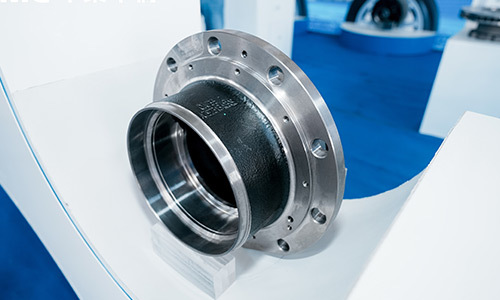



Understanding Heavy Truck Rear Wheel Hubs: Essential Components for Optimal Performance
Oct 09,2025
Heavy Truck Rear Wheel Hubs are critical components within the automotive and aftermarket sectors, particularly in the drive system category. These hubs play a pivotal role in the performance and safety of heavy-duty trucks, which are essential for transportation and logistics. Understanding the function and maintenance of rear wheel hubs is vital for fleet operators and maintenance professionals alike.
The rear wheel hub serves as the mounting point for the wheel and provides a connection between the wheel and the axle. It houses the wheel bearings that allow for smooth wheel rotation and supports the weight of the vehicle. A well-functioning wheel hub is crucial for ensuring that the vehicle can handle heavy loads while maintaining stability and traction. As trucks are designed for transporting heavy cargo, the quality and condition of the rear wheel hub become even more important.
One significant aspect of rear wheel hubs is their construction. They are typically made from durable materials that can withstand high levels of stress and strain. The design often incorporates features that enable easy access for maintenance purposes. Regular inspections can prevent issues such as bearing failure, which can lead to costly downtime and repairs. This is especially important in the heavy trucking industry, where reliability is paramount.
Maintenance of heavy truck rear wheel hubs involves checking for wear and tear, ensuring proper lubrication of the bearings, and examining the hub assembly for any signs of damage. Any unusual noises, vibrations, or changes in handling should prompt immediate inspection, as they may indicate a problem that could compromise the vehicle's safety. Additionally, routine maintenance schedules should be established to assess the condition of the hubs regularly.
Moreover, advancements in technology have led to the development of improved hub designs that enhance performance and longevity. For example, some hubs now feature better sealing systems that prevent dirt and moisture from entering, thereby prolonging the lifespan of the bearings. Understanding these innovations can help fleet managers make informed decisions regarding replacements and upgrades.
In conclusion, the heavy truck rear wheel hub is an indispensable part of a truck's drive system, playing a crucial role in its overall performance and safety. By prioritizing regular maintenance and staying informed about technological advancements, fleet operators can ensure optimal functionality and reliability of their vehicles. This proactive approach not only enhances safety but also contributes to the efficiency and productivity of their operations, ultimately benefiting the bottom line in a competitive industry.
The rear wheel hub serves as the mounting point for the wheel and provides a connection between the wheel and the axle. It houses the wheel bearings that allow for smooth wheel rotation and supports the weight of the vehicle. A well-functioning wheel hub is crucial for ensuring that the vehicle can handle heavy loads while maintaining stability and traction. As trucks are designed for transporting heavy cargo, the quality and condition of the rear wheel hub become even more important.
One significant aspect of rear wheel hubs is their construction. They are typically made from durable materials that can withstand high levels of stress and strain. The design often incorporates features that enable easy access for maintenance purposes. Regular inspections can prevent issues such as bearing failure, which can lead to costly downtime and repairs. This is especially important in the heavy trucking industry, where reliability is paramount.
Maintenance of heavy truck rear wheel hubs involves checking for wear and tear, ensuring proper lubrication of the bearings, and examining the hub assembly for any signs of damage. Any unusual noises, vibrations, or changes in handling should prompt immediate inspection, as they may indicate a problem that could compromise the vehicle's safety. Additionally, routine maintenance schedules should be established to assess the condition of the hubs regularly.
Moreover, advancements in technology have led to the development of improved hub designs that enhance performance and longevity. For example, some hubs now feature better sealing systems that prevent dirt and moisture from entering, thereby prolonging the lifespan of the bearings. Understanding these innovations can help fleet managers make informed decisions regarding replacements and upgrades.
In conclusion, the heavy truck rear wheel hub is an indispensable part of a truck's drive system, playing a crucial role in its overall performance and safety. By prioritizing regular maintenance and staying informed about technological advancements, fleet operators can ensure optimal functionality and reliability of their vehicles. This proactive approach not only enhances safety but also contributes to the efficiency and productivity of their operations, ultimately benefiting the bottom line in a competitive industry.
Contact Us
E-mail:
Whatsapp:
Address:
West Section of Xuesong Road, Zhumadian City, Henan Province, China
News Update

Contact Us
Tel: +86-396-3678889 / 3678891
E-mail: cimchjzz@cimc.com
Address: West Section of Xuesong Road, Zhumadian City, Henan Province, China


Copyright © Zhumadian CIMC Huajun Casting Co., Ltd.
Powered by :www.300.cn Supported IPV6 Privacy Agreement