
-
User Center

-
Blog




Understanding the Importance of Heavy-Duty Truck Wheel Hubs: A Comprehensive Guide
Sep 16,2025
Understanding the Importance of Heavy-Duty Truck Wheel Hubs
Heavy-duty trucks are the backbone of the transportation industry, playing a vital role in the movement of goods across vast distances. At the heart of these robust machines are wheel hubs, components often overlooked yet essential for performance, safety, and durability. This article explores the significance of heavy-duty truck wheel hubs in detail, ensuring you understand their design, functionality, maintenance, and impact on vehicle performance.
Table of Contents
- What are Heavy-Duty Truck Wheel Hubs?
- Why Are Wheel Hubs Important in Heavy-Duty Trucks?
- Design and Construction of Wheel Hubs
- Types of Heavy-Duty Truck Wheel Hubs
- Maintenance Tips for Wheel Hubs
- Signs of Worn or Damaged Wheel Hubs
- How to Select the Right Wheel Hubs
- FAQs About Heavy-Duty Truck Wheel Hubs
- Conclusion
What are Heavy-Duty Truck Wheel Hubs?
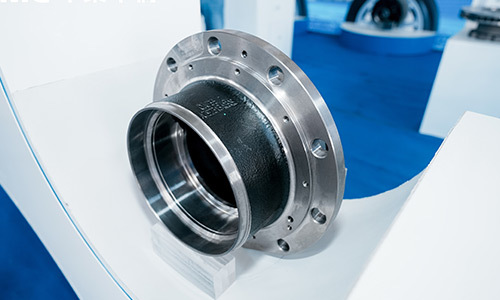
Heavy-duty truck wheel hubs are the central component of the wheel assembly that connects the wheel to the axle. They serve as the structural framework that supports the weight of the vehicle, enabling it to navigate diverse terrains while ensuring optimal performance. The wheel hub houses crucial elements such as bearings, which allow the wheel to rotate smoothly and efficiently.
Wheel hubs play a significant role in the overall functionality of heavy-duty trucks. They provide a secure attachment point for the wheel and house mechanisms that facilitate the rotation of the wheel while maintaining stability.
Why Are Wheel Hubs Important in Heavy-Duty Trucks?
The importance of wheel hubs in heavy-duty trucks cannot be overstated. They serve several critical functions that contribute to the overall performance and safety of the vehicle. Below are some key reasons why wheel hubs are indispensable:
1. Load Distribution and Stability
Heavy-duty trucks often carry substantial loads. Wheel hubs are engineered to distribute this weight evenly across the wheel assembly, minimizing stress and potential damage to other components of the vehicle. A well-designed wheel hub enhances stability, allowing the truck to operate effectively, especially when navigating challenging terrains.
2. Rotational Efficiency
The wheel hub contains bearings that facilitate smooth rotation of the wheels. This rotational efficiency is crucial for fuel economy and overall vehicle performance. A faulty or worn wheel hub can lead to increased friction, resulting in higher fuel consumption and reduced performance.
3. Safety Considerations
Safety is paramount in the trucking industry. Wheel hubs contribute to the safety of heavy-duty trucks by ensuring proper wheel alignment and reducing the risk of wheel detachment. A compromised wheel hub can lead to catastrophic failures, endangering the driver and others on the road.
4. Longevity of Vehicle Components
By providing a stable and efficient platform for wheel rotation, wheel hubs help extend the life of tires, brakes, and suspension systems. This longevity translates into lower maintenance costs and improved overall vehicle reliability.
Design and Construction of Wheel Hubs
Understanding the design and construction of heavy-duty truck wheel hubs is essential for appreciating their importance. Wheel hubs are typically made from durable materials such as cast iron or aluminum, allowing them to withstand the rigors of heavy hauling.
1. Hub Types and Configurations
There are various types of wheel hubs, including:
- **Standard Wheel Hubs**: These are the most common and suitable for general applications.
- **Hub and Rotor Assemblies**: Integrated designs that combine the hub and brake rotor for enhanced performance.
- **Floating Hubs**: Allow for slight movements to improve handling and reduce stress.
2. Components of a Wheel Hub
A typical heavy-duty wheel hub consists of:
- **Wheel Bearings**: Enable smooth rotation.
- **Hub Seals**: Prevent dirt and moisture from entering the hub assembly.
- **Studs and Nuts**: Secure the wheel to the hub.
The design of these components varies based on the specific requirements of heavy-duty applications.
Types of Heavy-Duty Truck Wheel Hubs
Choosing the right type of wheel hub is crucial for optimal performance. Here are the main types of heavy-duty truck wheel hubs available in the market:
1. Drive Wheel Hubs
These hubs are designed for the drive wheels of the truck, typically located on the rear axle. They must withstand greater loads and provide superior torque transfer.
2. Non-Drive Wheel Hubs
These hubs are located on the front axle or on the non-driven wheels. They support the vehicle's weight but do not require the same level of strength as drive wheel hubs.
3. Dual Wheel Hubs
Used in trucks with dual rear wheels, these hubs support two wheels per side, distributing weight more evenly and improving stability.
4. Hub and Brake Rotor Assemblies
This integrated design combines the wheel hub with the brake rotor, ensuring enhanced performance and simplified maintenance.
Maintenance Tips for Wheel Hubs
Regular maintenance of heavy-duty truck wheel hubs is essential for ensuring longevity and optimal performance. Here are some maintenance tips to follow:
1. Regular Inspections
Conduct thorough inspections of wheel hubs at routine intervals. Look for signs of wear, damage, or excessive play.
2. Lubrication
Ensure that wheel bearings are properly lubricated. Use high-quality grease to prevent premature wear and failure.
3. Monitor Wheel Alignment
Proper wheel alignment contributes to even wear and optimal performance. Misalignment can lead to uneven stress on the wheel hubs.
4. Replace Worn Components Promptly
If you detect signs of wear or damage, replace affected components immediately to prevent further damage and ensure safety.
Signs of Worn or Damaged Wheel Hubs
Recognizing signs of worn or damaged wheel hubs is crucial for maintaining vehicle safety and performance. Here are some common indicators:
1. Unusual Noises
Grinding, rumbling, or popping noises when driving can indicate bearing failure or other issues within the wheel hub.
2. Vibration While Driving
Excessive vibration, especially at high speeds, often signifies problems with wheel hubs, bearings, or alignment.
3. Uneven Tire Wear
If tires are wearing unevenly, it may be due to misalignment caused by damaged wheel hubs.
4. Difficulty in Steering
If you experience difficulty steering or notice that the truck pulls to one side, it may be a sign of wheel hub issues.
How to Select the Right Wheel Hubs
Choosing the right wheel hubs for heavy-duty trucks involves several considerations:
1. Vehicle Specifications
Ensure that the wheel hubs you select align with the specifications of your vehicle, including load capacity and compatibility.
2. Brand Reputation
Opt for reputable brands known for quality and reliability. High-quality hubs will provide better performance and longevity.
3. Application Requirements
Consider the specific applications your truck will be engaged in. Different types of work may require different hub specifications.
4. Consult Professionals
When in doubt, consult with automotive professionals or mechanics to ensure you select the right wheel hubs for your heavy-duty truck.
FAQs About Heavy-Duty Truck Wheel Hubs
1. What is the average lifespan of a heavy-duty truck wheel hub?
The lifespan of a heavy-duty truck wheel hub varies but can range from 100,000 to 200,000 miles with proper maintenance.
2. How can I tell if my wheel hub needs to be replaced?
Signs include unusual noises, vibrations, uneven tire wear, and difficulty steering. If you notice these symptoms, consider having your wheel hubs inspected by a professional.
3. Can I replace wheel hubs myself?
While experienced mechanics can replace wheel hubs, it requires knowledge of vehicle systems. If unsure, it’s best to consult a professional.
4. What tools do I need for wheel hub replacement?
Essential tools include a jack, jack stands, wheel lug wrench, socket set, and torque wrench.
5. How often should I inspect my wheel hubs?
Regular inspections are recommended every 5,000 to 10,000 miles, or as part of routine maintenance checks.
Conclusion
Heavy-duty truck wheel hubs are crucial components that contribute significantly to the vehicle's overall performance, safety, and longevity. Understanding their importance, maintenance needs, and the selection process can ensure that your heavy-duty truck operates efficiently and safely. By taking the time to care for these essential components, you'll not only enhance the performance of your vehicle but also extend its lifespan, ultimately benefiting your bottom line in the competitive trucking industry. Prioritize your wheel hubs, and elevate your heavy-duty trucking experience today!
Contact Us
E-mail:
Whatsapp:
Address:
West Section of Xuesong Road, Zhumadian City, Henan Province, China
News Update

Contact Us
Tel: +86-396-3678889 / 3678891
E-mail: cimchjzz@cimc.com
Address: West Section of Xuesong Road, Zhumadian City, Henan Province, China


Copyright © Zhumadian CIMC Huajun Casting Co., Ltd.
Powered by :www.300.cn Supported IPV6 Privacy Agreement