
-
User Center

-
Blog



DIY Guide: Effortlessly Replacing Your Wheel Hub and Brake Disc Assembly
Sep 05,2025
DIY Guide: Effortlessly Replacing Your Wheel Hub and Brake Disc Assembly
Table of Contents
- Introduction to Wheel Hub and Brake Disc Assembly
- Understanding the Components of the Assembly
- Signs Your Wheel Hub and Brake Disc Need Replacement
- Tools Required for the Replacement Process
- Step-by-Step Guide to Replacing Your Wheel Hub and Brake Disc Assembly
- Final Steps After Replacement
- Frequently Asked Questions
- Conclusion
Introduction to Wheel Hub and Brake Disc Assembly
Replacing your **wheel hub and brake disc assembly** can seem daunting, but with the right knowledge and tools, it can be a straightforward process. This guide aims to provide you with all the necessary information to complete this task efficiently and safely. By understanding the components involved, recognizing signs of failure, and following our step-by-step instructions, you can enhance your vehicle's performance and safety.
Understanding the Components of the Assembly
Before diving into the replacement process, let's take a closer look at the essential components you will be working with: the wheel hub and the brake disc.
What is a Wheel Hub?
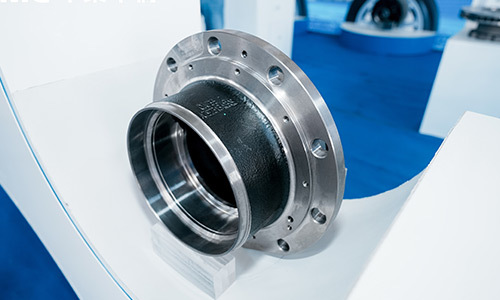
The **wheel hub** is the central component that connects the vehicle's wheel to its axle. It houses the wheel bearings, which allow the wheel to rotate smoothly. A failing wheel hub can lead to a range of problems, including excessive noise, uneven tire wear, and compromised handling.
What is a Brake Disc?
The **brake disc** (or rotor) is a crucial part of the braking system. It works in conjunction with the brake pads to slow down or stop your vehicle. When the brake pedal is pressed, the brake pads clamp down on the brake disc, creating friction that slows the wheels. Worn or warped brake discs can compromise braking efficiency and safety.
Signs Your Wheel Hub and Brake Disc Need Replacement
Understanding the signs that indicate your wheel hub and brake disc assembly may need replacement is crucial for vehicle maintenance. Here are some common symptoms:
1. **Unusual Noises**: Grinding, whining, or clicking sounds when driving can indicate a failing wheel hub or brake disc.
2. **Vibration**: If you feel vibrations in the steering wheel or brake pedal while driving, this could signify warped brake discs or a damaged wheel hub.
3. **Warning Lights**: Many modern vehicles have dashboard warning lights that indicate brake system issues. Pay attention to these alerts.
4. **Uneven Wear**: Inspect your tires for uneven wear patterns, which can be a sign of alignment issues related to the wheel hub.
5. **Reduced Braking Performance**: If you notice your vehicle takes longer to stop, it may be time to check the brake discs.
Tools Required for the Replacement Process
Before you begin, ensure you have the following tools ready:
- **Jack and Jack Stands**: For lifting and securing your vehicle.
- **Lug Wrench**: To remove wheel nuts.
- **Socket Set**: For removing bolts securing the wheel hub and brake disc.
- **Torque Wrench**: To ensure bolts are tightened to manufacturer specifications.
- **Pry Bar**: Useful for removing stuck components.
- **Brake Cleaner**: To clean the brake components before installation.
- **Safety Gear**: Gloves and goggles for personal safety.
Step-by-Step Guide to Replacing Your Wheel Hub and Brake Disc Assembly
Now that you are familiar with the components and tools, let’s walk through the process of replacing your wheel hub and brake disc assembly.
Removing the Old Wheel Hub and Brake Disc
1. **Prepare Your Vehicle**: Park on a level surface and engage the parking brake. Loosen the lug nuts on the wheel you are working on before lifting the vehicle.
2. **Lift the Vehicle**: Use the jack to lift the vehicle and secure it with jack stands. Ensure it is stable before proceeding.
3. **Remove the Wheel**: Take off the loosened lug nuts and remove the wheel to access the brake components.
4. **Remove the Brake Caliper**: Locate the bolts securing the brake caliper and remove them. Gently hang the caliper using a bungee cord or wire to avoid stress on the brake line.
5. **Take Off the Brake Pads**: Slide out the brake pads from their housing for easier access to the brake disc.
6. **Remove the Brake Disc**: If there are retaining screws, remove them. Slide the brake disc off the hub. If it’s stuck, gently tap it with a rubber mallet.
7. **Detach the Wheel Hub Assembly**: Remove any bolts securing the wheel hub. Gently pull the hub assembly off the axle.
Installing the New Wheel Hub and Brake Disc
1. **Install the New Wheel Hub**: Align the new wheel hub with the axle and secure it using the bolts you previously removed. Use a torque wrench to tighten them to the manufacturer’s specifications.
2. **Mount the New Brake Disc**: Slide the new brake disc onto the hub. If applicable, secure it using retaining screws.
3. **Reinstall the Brake Pads**: Carefully place the brake pads back into their housing.
4. **Reattach the Brake Caliper**: Position the brake caliper over the brake pads and secure it using the original bolts.
5. **Reinstall the Wheel**: Place the wheel back onto the hub and hand-tighten the lug nuts.
6. **Lower the Vehicle**: Use the jack to lower your vehicle back to the ground. Once it’s stable, use the lug wrench to fully tighten the lug nuts in a star pattern.
Final Steps After Replacement
After replacing your wheel hub and brake disc assembly, it’s vital to perform a few final checks:
1. **Check Brake Fluid Levels**: Ensure that your brake fluid is at the correct level. If needed, top it off.
2. **Test the Brakes**: Before driving, pump the brake pedal a few times to ensure proper contact between the pads and disc.
3. **Take a Test Drive**: Start with a slow drive in a safe area to test the brakes and listen for any unusual noises.
4. **Recheck Everything**: After a short drive, recheck the bolts and lug nuts to ensure everything is secure.
Frequently Asked Questions
1. How often should I replace my wheel hub and brake disc?
It depends on driving conditions, but typically, it's recommended to inspect them every 30,000 to 70,000 miles.
2. Can I replace the wheel hub and brake disc without professional help?
Yes, as long as you have the right tools and follow the steps carefully, it can be done safely as a DIY project.
3. What are the risks of ignoring worn wheel hubs or brake discs?
Ignoring these issues can lead to brake failure, increased stopping distances, and potential accidents.
4. Is it necessary to replace both sides of the wheel hub and brake disc?
While it's not mandatory, replacing them in pairs is recommended for balanced performance and safety.
5. Can I reuse my old brake pads with new discs?
It's not advisable. Old brake pads may wear unevenly against new discs and compromise braking efficiency.
Conclusion
Replacing your **wheel hub and brake disc assembly** can be a rewarding DIY project that enhances your vehicle’s safety and performance. By following the steps outlined in this guide, you can confidently tackle this task and save on repair costs. Regular maintenance and timely replacements are essential for safe driving, so keep an eye out for any signs of wear and take action promptly. Enjoy the satisfaction of knowing you have successfully completed this vital automotive task!
PREVIOUS:
Contact Us
E-mail:
Whatsapp:
Address:
West Section of Xuesong Road, Zhumadian City, Henan Province, China
News Update

Contact Us
Tel: +86-396-3678889 / 3678891
E-mail: cimchjzz@cimc.com
Address: West Section of Xuesong Road, Zhumadian City, Henan Province, China


Copyright © Zhumadian CIMC Huajun Casting Co., Ltd.
Powered by :www.300.cn Supported IPV6 Privacy Agreement