
-
User Center

-
Blog




How Heavy Truck Wheel Hubs Contribute to Vehicle Performance
Aug 29,2025
How Heavy Truck Wheel Hubs Contribute to Vehicle Performance
In the realm of heavy-duty trucking, wheel hubs are often overlooked components that play a crucial role in vehicle performance. Understanding how these hubs contribute to the overall efficiency, safety, and handling of heavy trucks can lead to better maintenance practices and improved vehicle longevity. In this article, we will explore the intricate relationship between heavy truck wheel hubs and vehicle performance, focusing on key aspects such as design, functionality, and maintenance.
The Basics of Heavy Truck Wheel Hubs
What Are Wheel Hubs?
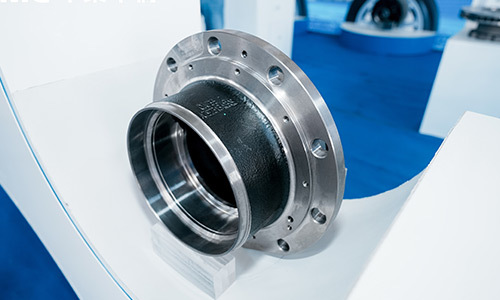
Wheel hubs are the central components of a wheel assembly that connect the wheel to the vehicle's axle. They serve as the mounting point for the wheel and are essential for the rotation of the wheel, enabling the vehicle to move efficiently. Heavy truck wheel hubs are specifically designed to withstand the significant loads and stresses associated with transporting heavy cargo.
Types of Wheel Hubs in Heavy Trucks
Heavy truck wheel hubs come in various designs, including:
- Cast Iron Hubs: Known for their durability and strength, cast iron hubs are a popular choice for heavy-duty applications.
- Aluminum Hubs: These hubs are lighter, which can enhance fuel efficiency but may not provide the same level of durability as cast iron.
- Composite Hubs: Utilizing advanced materials, composite hubs offer a balance between weight and strength, making them suitable for modern heavy trucks.
The Role of Wheel Hubs in Vehicle Performance
Impact on Handling and Stability
A well-designed wheel hub significantly influences a truck's handling characteristics. Properly aligned and balanced wheel hubs ensure that the weight of the truck is evenly distributed across all wheels, enhancing stability during turns and under heavy loads. This balance prevents unwanted swaying and reduces the risk of accidents caused by loss of traction.
Influence on Wheel Alignment and Tire Wear
Wheel hubs play a critical role in maintaining proper wheel alignment. Misaligned wheel hubs can lead to uneven tire wear, which not only shortens the lifespan of tires but also compromises vehicle safety. Regular inspections and adjustments of wheel hubs are vital to ensure that tires wear evenly, promoting better fuel efficiency and safer driving experiences.
Heat Dissipation and Brake Performance
Heavy trucks generate substantial heat due to friction between the brake components and the wheel assembly. Wheel hubs are designed to facilitate heat dissipation, which is crucial for maintaining optimal brake performance. Overheating can lead to brake fade, reducing stopping power and increasing the risk of accidents. Effective heat management through quality wheel hubs is essential for safe heavy-duty operations.
Choosing the Right Wheel Hub for Heavy Trucks
Factors to Consider When Selecting Wheel Hubs
When choosing wheel hubs for heavy trucks, several factors should be taken into account:
- Load Capacity: Ensure that the wheel hub can support the maximum weight of the truck and its cargo.
- Material: Select a material that balances weight, strength, and durability according to the specific application.
- Compatibility: Verify that the wheel hub is compatible with the truck's axle and wheel specifications.
Aftermarket vs. OEM Wheel Hubs
Truck owners often face the choice between aftermarket and Original Equipment Manufacturer (OEM) wheel hubs. While OEM parts guarantee compatibility and quality, aftermarket options may offer cost savings and enhanced features. Evaluating the pros and cons of each option is crucial for making an informed decision.
Maintenance of Heavy Truck Wheel Hubs
Regular Inspections
To ensure the longevity and performance of wheel hubs, regular inspections are essential. During these inspections, look for signs of wear, such as cracks, corrosion, or signs of play in the bearing assembly. Early detection of issues can prevent costly repairs and enhance safety.
Lubrication Practices
Proper lubrication of wheel bearings is critical for reducing friction and heat buildup. Adhere to manufacturer recommendations regarding lubrication intervals and type of grease. Insufficient lubrication can lead to premature wear, bearing failure, and ultimately, compromised performance.
Wheel Hub Upgrades and Innovations
Technological Advancements in Wheel Hub Design
Recent advancements in materials science and engineering have led to the development of innovative wheel hub designs. Features such as integrated sensors for monitoring wheel health and improved aerodynamics can contribute to enhanced performance and reduced maintenance costs.
Future Trends in Heavy Truck Wheel Hubs
As the heavy-duty trucking industry evolves, we can expect to see a shift towards more sustainable materials and designs. Innovations focusing on weight reduction, increased strength, and enhanced safety features are likely to dominate future wheel hub developments.
Common Issues with Heavy Truck Wheel Hubs
Signs of Wear and Tear
Truck operators should be aware of common signs indicating potential issues with wheel hubs, including:
- Unusual Noises: Grinding, whirring, or clunking noises during operation may indicate bearing wear or hub misalignment.
- Vibrations: Excessive vibrations felt in the steering wheel or cabin can signal problems with the wheel hub or tire imbalance.
- Uneven Tire Wear: If tires show signs of uneven wear patterns, it could be a result of faulty wheel hubs or alignment issues.
Impact of Environmental Conditions
Heavy trucks often operate in challenging environments. Exposure to dirt, water, and corrosive substances can lead to premature wear of wheel hubs. Regular cleaning and protective coatings can mitigate these issues and extend the life of the hubs.
FAQs about Heavy Truck Wheel Hubs
1. How often should I inspect my heavy truck's wheel hubs?
It's recommended to inspect wheel hubs every 15,000 to 30,000 miles, or during regular maintenance intervals, to ensure they are functioning optimally.
2. What are the signs that a wheel hub needs replacement?
Look for signs such as excessive play in the wheel, unusual noises, vibrations, or uneven tire wear, all of which may indicate that a wheel hub is failing and needs replacement.
3. Can I use aftermarket wheel hubs on my heavy truck?
Yes, aftermarket wheel hubs can be used, but ensure they meet OEM specifications for compatibility and quality to maintain safety and performance.
4. What is the average lifespan of a heavy truck wheel hub?
Depending on usage and maintenance, heavy truck wheel hubs can last anywhere from 100,000 to 200,000 miles before needing replacement.
5. How do I choose the right lubricant for my wheel hubs?
Always refer to the manufacturer's recommendation for the type of lubricant that best suits your wheel hubs, considering factors such as load capacity and operating conditions.
Conclusion
Heavy truck wheel hubs play an indispensable role in the overall performance, safety, and efficiency of heavy-duty vehicles. By understanding their importance, selecting the right types, and maintaining them properly, truck owners can experience improved handling, reduced tire wear, and enhanced braking performance. Continued innovations in wheel hub technology suggest a promising future for heavy-duty trucking, focusing on safety, efficiency, and sustainability. By prioritizing the health of wheel hubs, operators can ensure that their trucks perform at their best, ultimately leading to safer roadways and more reliable transportation services.
PREVIOUS:
Contact Us
E-mail:
Whatsapp:
Address:
West Section of Xuesong Road, Zhumadian City, Henan Province, China
News Update

Contact Us
Tel: +86-396-3678889 / 3678891
E-mail: cimchjzz@cimc.com
Address: West Section of Xuesong Road, Zhumadian City, Henan Province, China


Copyright © Zhumadian CIMC Huajun Casting Co., Ltd.
Powered by :www.300.cn Supported IPV6 Privacy Agreement